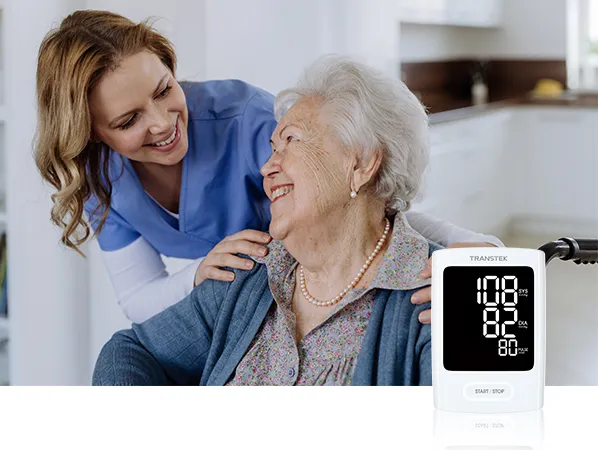
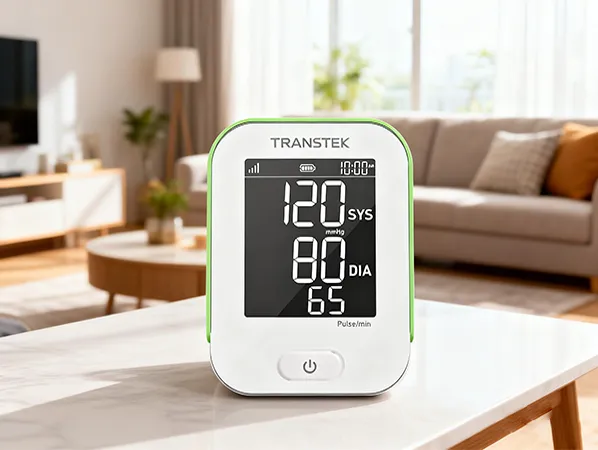
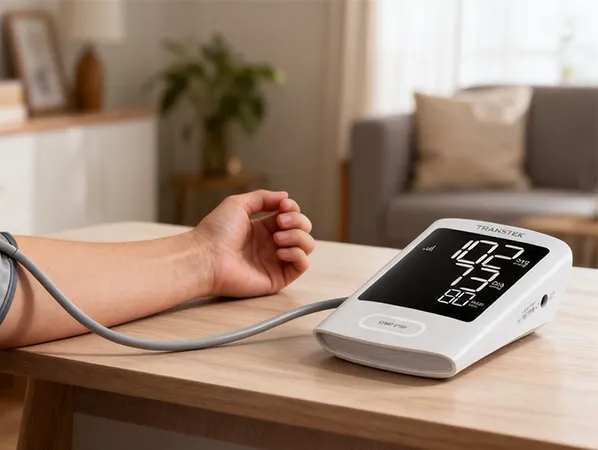
Transtek supplies FDA cleared and clinically validated accuracy blood pressure monitoring machines including but not limited to medical grade smart blood pressure monitor, household smart bp monitor, smart wrist blood pressure monitor, wireless smart blood pressure meter, 4G blood pressure monitor. Blood Pressure Checking Machine is essential to preventing heart disease and strokes, helping you to monitor your heart health, manage your lifestyle and bring you a better future for your body. With Transtek Power Filter technology, the blood pressure monitors can capture the pulse signal accurately. Besides, by utilizing the independent patented air pump, Transtek blood pressure monitor can measure data faster and quieter than traditional ones. Transtek, as a digital blood pressure monitor manufacturer, has developed in-depth cooperation with many medical institutions and has become a strategic partner of international brands such as Philips in the Netherlands, Braun in Germany, and Welch Allyn in the United States. ODM, OEM business cooperation are warmly welcomed.
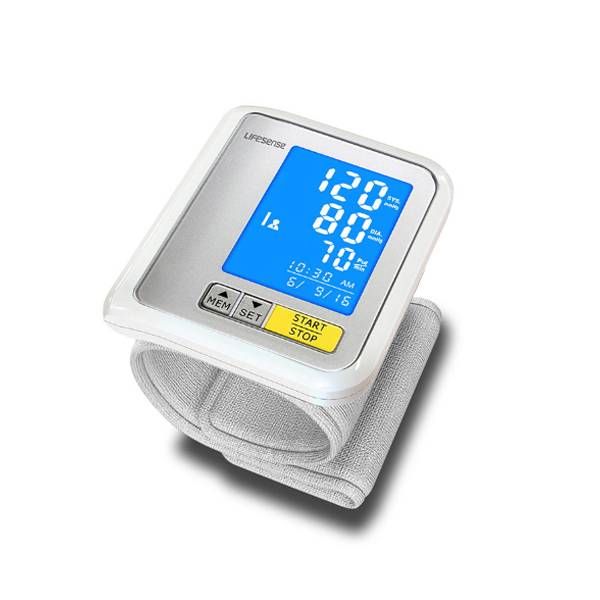
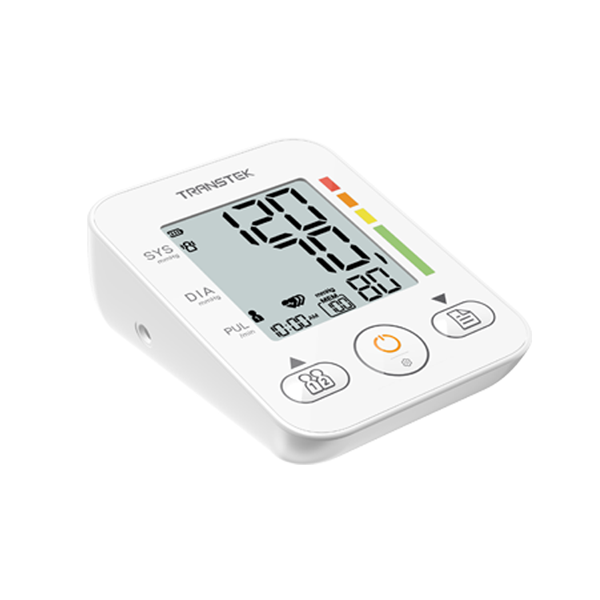
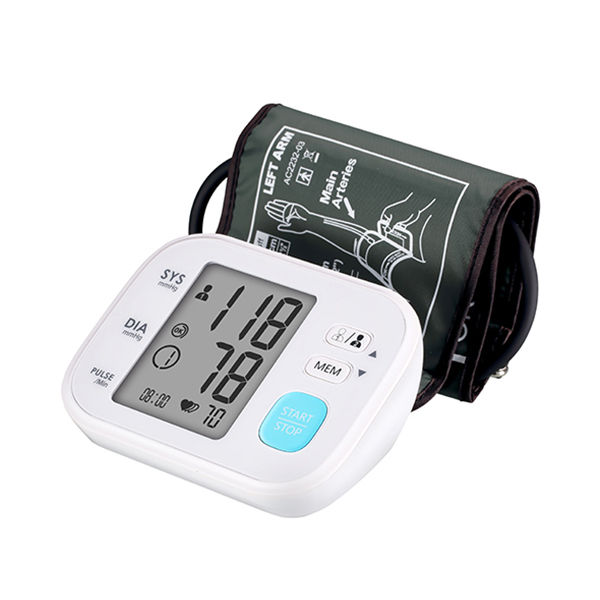
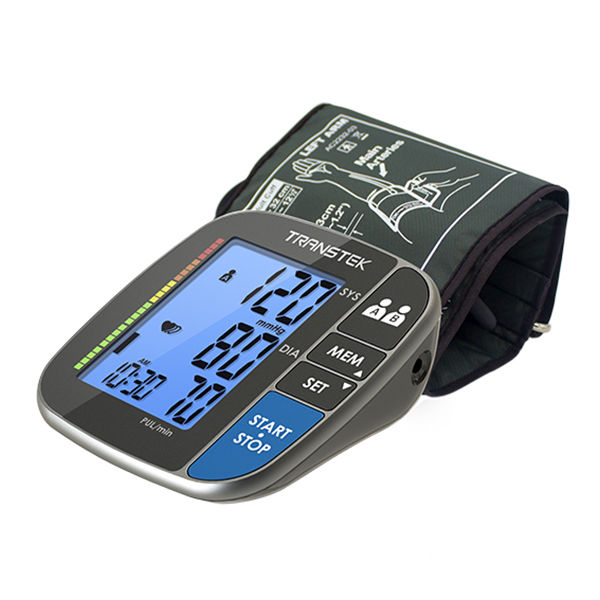
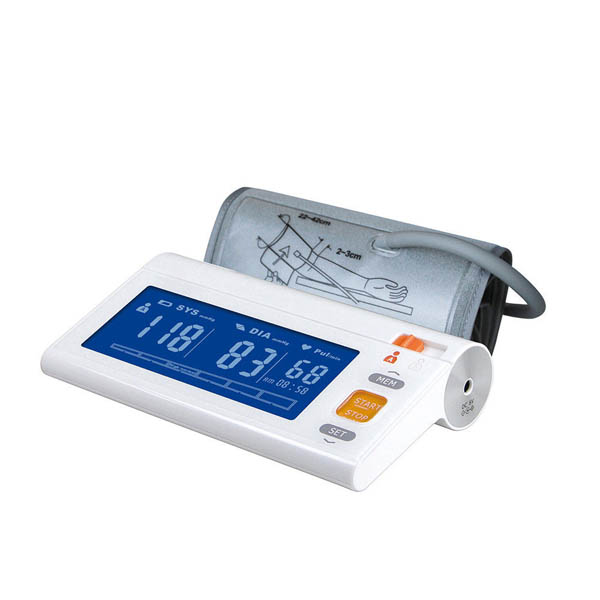
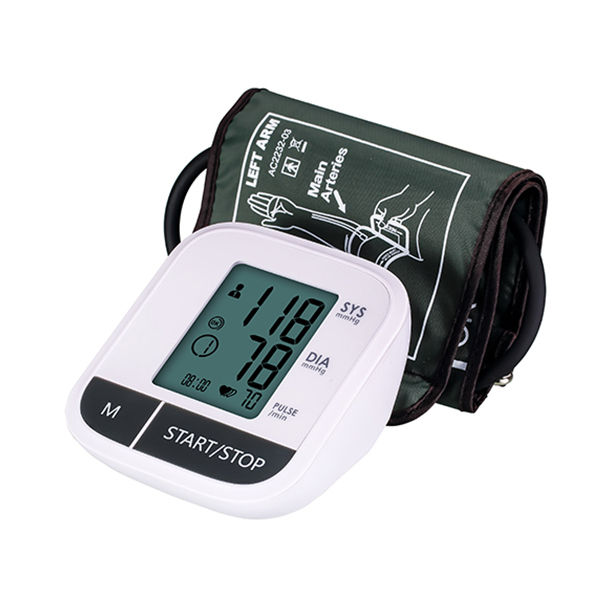
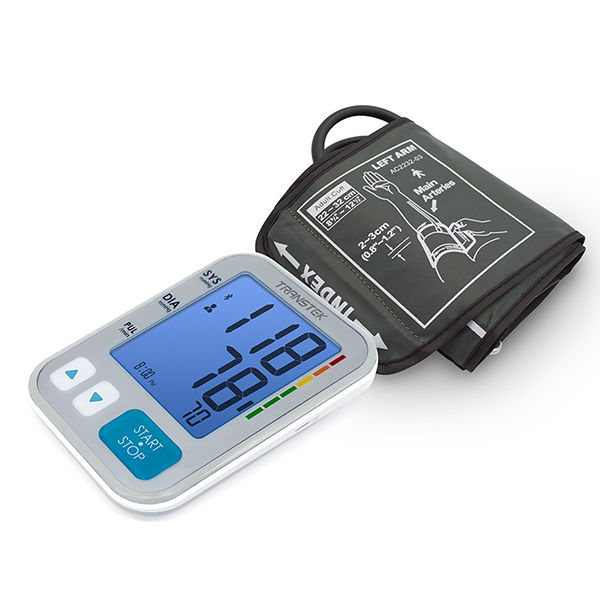
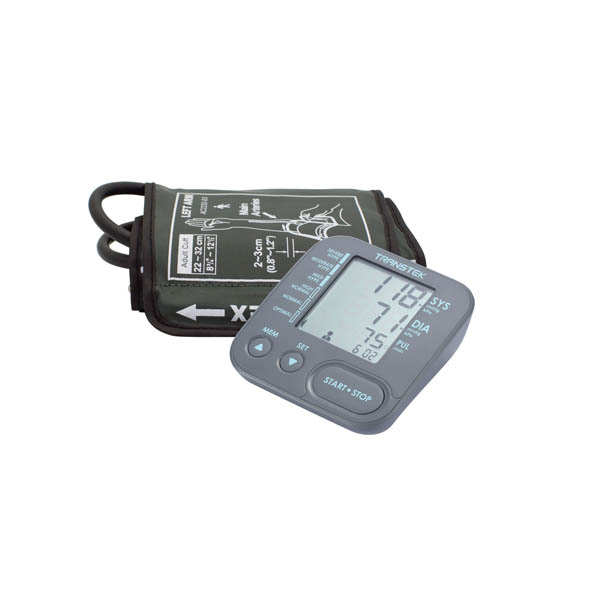
When choosing between a wrist blood pressure monitor and an upper arm blood pressure monitor, there are a few key factors to consider.
Accuracy
Upper Arm Monitors: Generally considered more accurate and reliable because they measure blood pressure in the same way as it’s done at the doctor's office. The cuff is placed around the upper arm, which is the ideal spot for accurate readings.
Wrist Monitors: Tend to be less accurate than upper arm monitors, especially if the wrist is not at the right level with the heart during measurement. Small changes in position can affect the reading.
Ease of Use
Upper Arm Monitors: Slightly more cumbersome to use because you need to wrap the cuff around your upper arm, but they are fairly straightforward.
Wrist Monitors: More compact and easier to use, especially for people who are on the go or have difficulty using the larger upper arm cuffs. They're typically smaller and portable.
Portability
Upper Arm Monitors: Larger and bulkier, making them less portable compared to wrist monitors.
Wrist Monitors: Much more compact and easy to carry around, making them ideal for travel or on-the-go measurements.
Cost
Upper Arm Monitors: Usually a bit more expensive due to their greater accuracy and the technology used.
Wrist Monitors: Tend to be more affordable, though wrist blood pressure monitor price can vary depending on the brand and features.
Measurement Position
Upper Arm Monitors: The cuff is placed on your upper arm, which is the ideal place for accurate readings.
Wrist Monitors: For accurate readings, you must ensure that your wrist is level with your heart, which can be tricky and require extra effort to get it just right.
Using a wrist cuff blood pressure monitor correctly is important to get an accurate reading. Here’s a step-by-step guide to help you use it properly:
1. Choose the Right Wrist Position: Sit comfortably in a chair with your back supported and your feet flat on the floor. Rest your arm on a flat surface, like a table, with your wrist at heart level.
Tip: Keep your wrist in line with your heart. If your wrist is lower than heart level, the reading could be inaccurate.
2. Prepare for Measurement: Make sure you haven’t exercised or consumed caffeine, alcohol, or food right before taking the reading. Stay calm and relaxed for at least 5 minutes before taking your measurement. The cuff should snugly fit around your wrist, not too tight or too loose. Most wrist cuffs are adjustable.
3. Position the Monitor: Place the cuff on your bare wrist (no clothing or accessories underneath it). Ensure the monitor's display is facing you and is positioned in the right way.
4. Start the Measurement: Press the start button on the device. The cuff will automatically inflate. Stay still and quiet during the measurement, and try not to talk or move your arm. Any movement can affect the reading.
5. Wait for Results: After a minute or so, the cuff will deflate, and the monitor will show your blood pressure reading. If the reading is unusually high or low, you might want to wait a few minutes and repeat the measurement to confirm.
6. Record Your Results: Keep track of your readings, especially if you're monitoring your blood pressure over time. Many wrist monitors have a memory function for storing results.
+86-0760-85707780