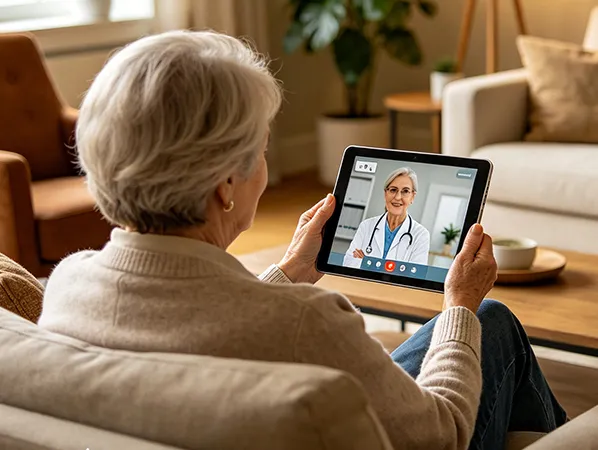
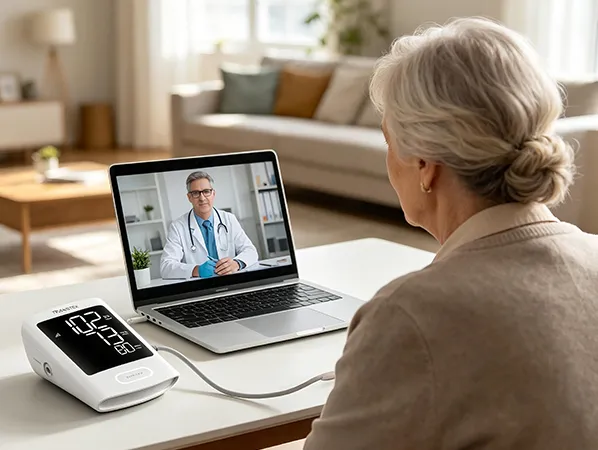
The global healthcare landscape is undergoing a significant shift. As the burden of chronic diseases grows and populations age, the traditional hospital-centric care model is being supplemented by more decentralized healthcare approaches. At the center of this transformation is the Internet of Things (IoT), which plays a key role in Remote Patient Monitoring (RPM).
By integrating smart sensors, high-speed connectivity, and data analytics, IoT-based remote patient monitoring systems allow healthcare providers to track patient health in real time, regardless of where the patient is located.
RPM is a healthcare delivery method that uses digital technologies to collect medical and other health data from individuals in one location and electronically transmit that information securely to healthcare providers in another location for assessment and recommendations.
When remote patient monitoring systems are integrated with IoT technologies, care models shift from manual reporting to automated, continuous, and high-precision data streams. IoT is not just an add-on feature; it is a core technology that makes RPM scalable, accurate, and actionable.
Device: Medical-grade sensors such as blood pressure monitors, weight scales, and glucose meters used in RPM programs.
Connectivity: Data transmission via Bluetooth, Wi-Fi, 4G/LTE, or 5G.
platform: Secure servers where data is stored and processed.
Application: Dashboards for clinicians and mobile apps for patients.
The integration of IoT into RPM is solving some of the most persistent challenges in healthcare: patient non-compliance, delayed intervention, and the high cost of hospital stays.
In traditional care models, patients may only see their doctor every few months. If their condition worsens between visits, it may go unnoticed until an emergency room visit is required. IoT-enabled devices provide a continuous stream of data. If a patient’s blood pressure spikes or their weight increases suddenly, the system can trigger an immediate alert to healthcare providers.
One of the biggest hurdles in RPM is user friction. If a device is difficult to set up, patients are less likely to use it. Modern IoT solutions focus on plug-and-play connectivity.
For example, a 4G-enabled blood pressure monitor requires no pairing or smartphone configuration. The patient simply takes their measurement, and the data is sent instantly to the platform.
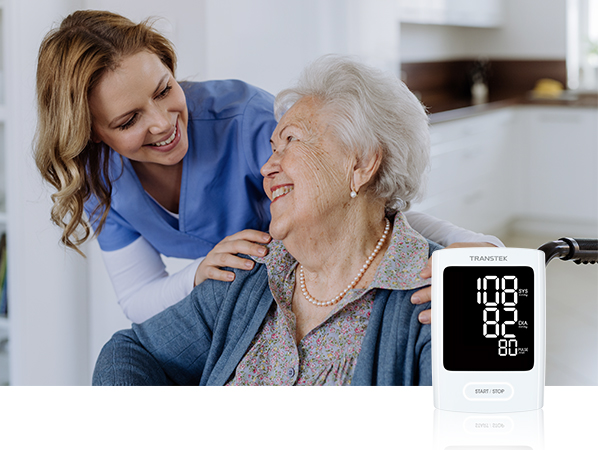
The success of a remote monitoring program depends heavily on the reliability of both devices and connectivity infrastructure.
Bluetooth (BLE): Ideal for low-power consumption and typically connects to a dedicated hub that securely transmits data to the remote monitoring platform.
Cellular (4G/LTE/5G): Often considered the gold standard for RPM, especially for elderly populations. RPM cellular devices are standalone, ensuring that even patients without home internet or smartphones can remain connected.
Wi-Fi: Suitable for home environments but can be prone to connection drops and complex setup procedures.
Transtek has recognized this technical divide and offers a diverse portfolio of devices, including Bluetooth and Cellular options, ensuring that providers can choose the right tool for their specific patient demographic.
While large hospitals were the early adopters, IoT remote patient monitoring is increasingly vital for small practices.
In the United States, the CMS (Centers for Medicare & Medicaid Services) has introduced specific CPT codes (such as 99453, 99454, and 99457) that allow providers to be reimbursed for RPM services. IoT devices make it easier to automate the data collection required to satisfy these billing requirements, turning a clinical necessity into a sustainable revenue stream.
By monitoring patients post-discharge, hospitals can significantly reduce 30-day readmission rates. IoT sensors can detect early signs of deterioration, allowing for medication adjustments or telehealth consultations that keep the patient at home and out of the hospital bed.
A critical part of the IoT ecosystem is the hardware. Without accurate, medical-grade RPM devices, the data is useless. This is where manufacturers like Transtek play an important role.
Transtek is a global leader in the design and manufacture of smart medical devices. We provide end-to-end OEM/ODM solutions that are essential for RPM service providers.
Blood Pressure Monitors: These devices go beyond standard home monitoring equipment. Transtek’s devices are designed with IoT connectivity (Bluetooth/LTE) to ensure that every reading is logged in the provider's EHR system.
Weight Scales: Crucial for managing chronic conditions like obesity, diabetes, and heart failure.
Blood Glucose Meters: Integrated IoT glucose monitors allow for real-time diabetes management, alerting caregivers to dangerous hypo- or hyperglycemic events.
The future of RPM is not just about collecting data; it’s about predictive analytics. As we collect more data through IoT devices, AI and Machine Learning models can begin to predict health crises before they happen. The rollout of 5G will further enhance RPM by allowing for even lower latency and higher device density. This will enable more complex remote procedures, such as advanced remote diagnostics or high-definition video monitoring of patients with neurological disorders, all powered by the same IoT principles we use today for weight and blood pressure.
The Internet of Things is the current reality in healthcare. For healthcare providers, the transition to remote patient monitoring IoT offers a path toward better patient outcomes, increased efficiency, and new revenue opportunities.
However, the success of an RPM program is built on a foundation of reliable hardware. As a trusted manufacturer of smart medical devices, Transtek provides the high-precision tools necessary to bridge the gap between patient and provider. Whether you are a small practice looking to implement your first RPM program or a large-scale telehealth platform requiring thousands of connected devices, Transtek’s ODM/OEM capabilities and innovative IoT remote monitoring solutions make us an ideal partner.
It depends on the structure of your RPM program. Bluetooth devices typically connect to a pre-configured hub that transmits measurements to the monitoring platform and work well for multi-device programs. Cellular (4G/LTE) devices send data directly, making them ideal for simple single-device monitoring.
Yes. Professional IoT RPM solutions use end-to-end encryption to protect sensitive health data.
IoT devices provide continuous visibility into a patient’s health. By monitoring trends in blood pressure, glucose levels, or weight, clinicians can intervene early before a minor issue becomes an emergency. This proactive care model is proven to reduce hospital readmission rates and improve the quality of life for patients with hypertension, diabetes, and heart failure.
Absolutely. RPM is now highly accessible due to specialized CPT codes that reimburse providers for device setup and monthly monitoring. By partnering with a reliable manufacturer like Transtek, small practices can scale their services sustainably.
Key factors include medical-grade accuracy, regulatory certifications (FDA, CE, ISO), and connectivity stability. It is also vital to choose a partner that offers OEM/ODM services if you are looking to brand the devices as your own.
Yes. Transtek offers robust SDKs and API integration support, allowing the devices to communicate effortlessly with various Electronic Health Records (EHR) and RPM software platforms."
+86-0760-88282982