Deploying an RPM weight scale is not only about selecting a connected device and shipping it to a patient's home. The first-use experience is also an important part of the deployment process. If patients can complete their first measurement smoothly, the program can begin with fewer support needs and less patient-side friction. If the first use is confusing, care teams may face more support calls, repeated explanations, delayed first measurements, or difficulty getting patients started.
Many RPM programs focus on long-term monitoring, but the first-use experience can strongly influence how smoothly the workflow begins. Patients may receive the scale without in-person setup support and may be unfamiliar with connected health devices. Some may also be unfamiliar with Bluetooth pairing, Wi-Fi settings, mobile apps, or login steps. In these situations, a straightforward first measurement can reduce early friction and make the onboarding process easier to complete.
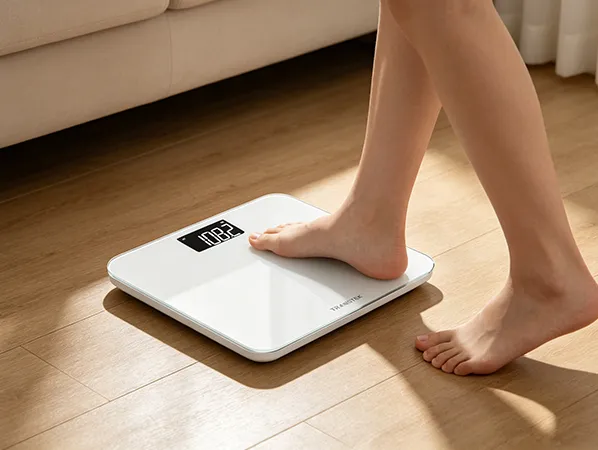
This is why first-use simplicity should be part of RPM device planning. A practical home deployment workflow should make the first action clear: place the scale correctly, step on, wait for the measurement to complete, and step off. When the device requires fewer patient-side steps, remote weight monitoring can be easier to introduce and manage.
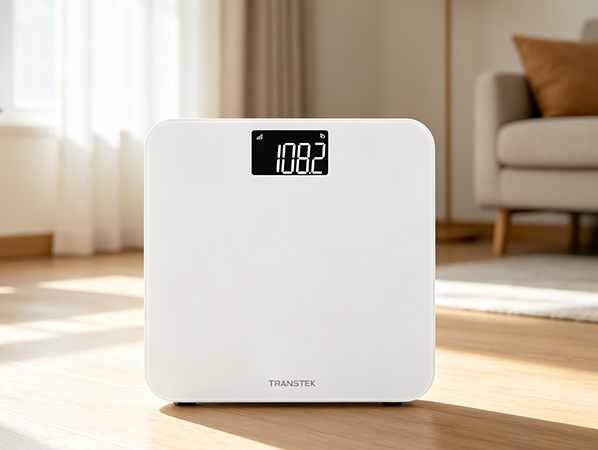
The first measurement is more than a basic setup step. It is the patient's introduction to the monitoring routine. If the first use feels simple, patients can more easily understand the process and establish the expected routine. If the first use feels technical or uncertain, the patient may hesitate, skip a measurement, or wait for support before trying again.
First-use experience also affects care team workload. In a small pilot program, staff may have time to walk individual patients through setup. In a larger deployment, repeated onboarding questions can quickly consume support resources. Each additional setup step can create another point where patients may need assistance before completing the first reading.
A successful first-use workflow should answer three practical questions immediately:
What should the patient do first?
How does the patient know the measurement is complete?
Does the patient need to enter or report the reading manually?
The easier these questions are to answer, the smoother the onboarding process can be. For home RPM deployment, simplicity is more than a convenience feature. It can directly affect onboarding effort and support requirements.
Remote weight monitoring can encounter friction before it becomes part of a patient's routine. A patient may receive the correct device but still need assistance to complete the first measurement or understand what happens after weighing.
Common first-use friction points can include unclear instructions, app setup, Bluetooth pairing, Wi-Fi configuration, uncertainty about scale placement, confusion about when the measurement is complete, and questions about what happens after weighing.
These friction points can create several downstream issues:
The first reading may be delayed.
The care team may not receive the expected reading when needed for review.
The patient may lose confidence in the device.
Support teams may need to provide repeated setup guidance.
The initial monitoring workflow may take longer to complete.
Patients may be less comfortable using the device if the process feels complicated.
First-use simplicity can help address these challenges by reducing the number of steps patients need to manage. A scale that supports direct weighing and automatic transmission can reduce the technical burden during onboarding, allowing the patient's role to remain focused on completing the measurement.
Step-on measurement is intuitive because it matches the basic action patients already associate with using a weight scale. Patients do not need to learn a complex sequence. They can step on the scale, follow the on-device display, and step off when the measurement is complete.
In RPM programs, familiar actions are valuable. Patients may already be managing multiple health-related routines, measurements, and follow-up activities at home. If remote weight monitoring requires additional technical tasks, the process can become more demanding to manage as part of a daily routine.
A step-on workflow keeps the measurement process close to what patients already understand. It can reduce the need for app navigation, manual input, or device pairing as part of the weighing process. The patient's role remains focused on completing the measurement, while the device handles the connectivity process afterward.
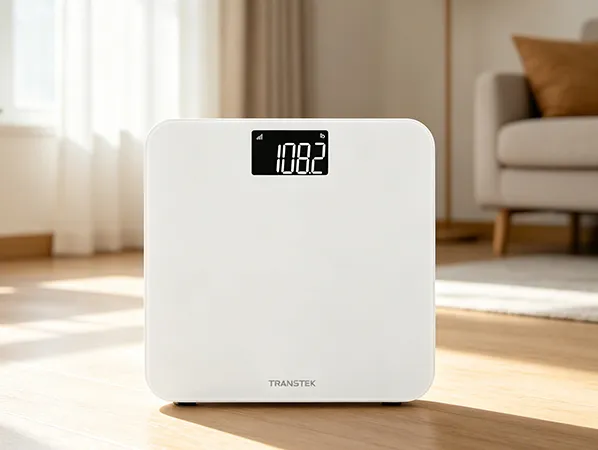
Transtek TeleRPM Scale Gen 2 is designed for straightforward home use. Patients can step on the scale to begin measurement and follow the on-device display to complete the weighing process, while the device automatically transmits the reading after measurement.
Completing the first measurement is only one part of the onboarding process. The next consideration is how the reading enters the established monitoring workflow. In some connected-device setups, patients may still need to take an additional step after weighing, such as opening an app, checking a connection, or manually reporting the reading.
Automatic transmission can reduce this post-measurement burden. After the patient completes the measurement, the device can transmit the reading without requiring an additional upload step. This can be particularly useful during early deployment, when patients are still becoming familiar with the monitoring routine and care teams are confirming that the initial workflow is working as expected.
For care teams, automatic transmission can also make it easier to confirm whether the first measurement has entered the monitoring workflow. If the first reading becomes available without additional patient reporting, staff can more easily confirm that the patient has completed the initial measurement. If the expected reading is not available, the team can follow up with the patient to identify where assistance may be needed.
This makes automatic transmission relevant not only to routine monitoring but also to onboarding. It can help reduce the steps between device delivery and completion of the first measurement.
Before shipping weight scales to patients, RPM teams should review the onboarding journey from the patient's perspective. A device that is straightforward for technical staff may still be confusing for users at home.
Important questions include:
Does the scale require an app download or account setup?
Does the patient need to connect to Wi-Fi?
Is Bluetooth pairing required before the first measurement?
Can the patient start with a simple step-on action?
Is the display easy to understand?
Does the device transmit readings automatically after measurement?
Can support staff explain the process clearly by phone?
Can the same basic workflow be used across different patient homes?
These questions can help RPM teams identify potential onboarding barriers before deployment. They also help care teams evaluate whether a device can reduce support requirements without adding unnecessary technical steps for patients.
A practical RPM weight scale should be easy to deploy, easy to explain, and easy for patients to use. The first measurement should not feel like a technical project. It should feel like a straightforward home routine.

Transtek TeleRPM Scale Gen 2 supports home onboarding through a combination of 4G cellular connectivity, step-on measurement, and automatic transmission. The device supports AT&T, T-Mobile, and Verizon networks, reducing dependence on home Wi-Fi or smartphone connectivity.
Its step-on design is intended to make the first measurement straightforward for home users. Patients can step on the scale, follow the on-device display, and complete the weighing process without navigating a smartphone or app. After measurement, the device automatically transmits the reading through its cellular connection.
TeleRPM Scale Gen 2 also features a large weighing platform and a user-friendly display designed for home use. These features support a straightforward weighing experience across different home environments and user needs.
For RPM teams, these capabilities can support a practical deployment process from device delivery through initial use. By reducing smartphone, app, and Wi-Fi dependencies, the scale can limit the number of technical steps patients need to manage during onboarding.
First-use simplicity is an important part of RPM device deployment. A straightforward onboarding process can reduce patient-side friction, limit avoidable support needs, and help patients complete their initial measurement.
As remote monitoring programs expand, device selection needs to consider more than measurement performance alone. Connectivity, usability, patient-side operation, and deployment requirements all contribute to the practicality of a home RPM workflow.
From device delivery to the first completed measurement, every additional setup step can create another point where assistance may be needed. Transtek TeleRPM Scale Gen 2 supports a straightforward path from device delivery to routine remote weight monitoring by combining step-on measurement, 4G cellular connectivity, automatic transmission, and a home-friendly design.
+86-0760-88282982