Blood pressure monitors have become important tools for managing cardiovascular health, especially as more patients adopt home-based monitoring and remote patient monitoring (RPM) programs. However, one important question is often overlooked: how long does a blood pressure monitor last, and when should it be replaced?
Whether used at home or in healthcare settings, blood pressure monitors rely on sensors, cuffs, and internal measurement technology to provide accurate readings. Over time, normal wear, gradual loss of calibration accuracy, and component aging may affect device performance. Understanding the expected lifespan of these devices and recognizing when replacement may be necessary can help support more reliable blood pressure management.
Most home blood pressure monitors are designed to last between 3 to 5 years under normal usage conditions. This estimate is widely supported across manufacturers and industry sources.
However, actual lifespan depends on several factors, including:
Frequency of use
Quality of the device
Maintenance and storage conditions
Whether the device is regularly calibrated
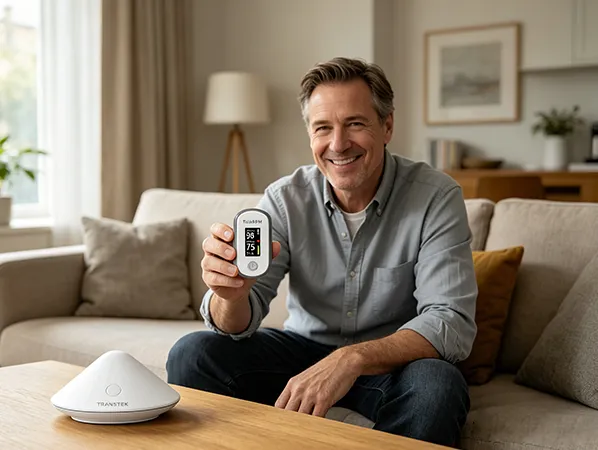
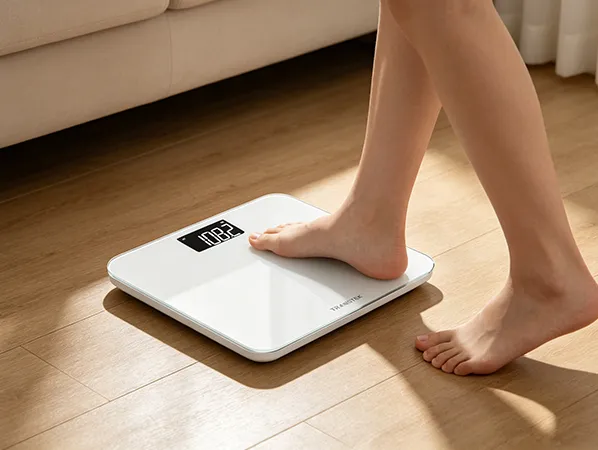
For example, a monitor used multiple times daily in a chronic care program may experience faster wear than one used occasionally at home. Similarly, lower-cost consumer-grade devices may degrade faster than medical-grade monitors designed for clinical or RPM use. Modern devices, especially those used in remote patient monitoring programs, are engineered for higher durability. Transtek’s RPM blood pressure monitors, for instance, are built with patented air pump technology and signal filtering algorithms, allowing for faster, quieter, and more consistent measurements over time. Transtek remote monitoring medical devices are also designed to support long-term use in both home and healthcare environments.
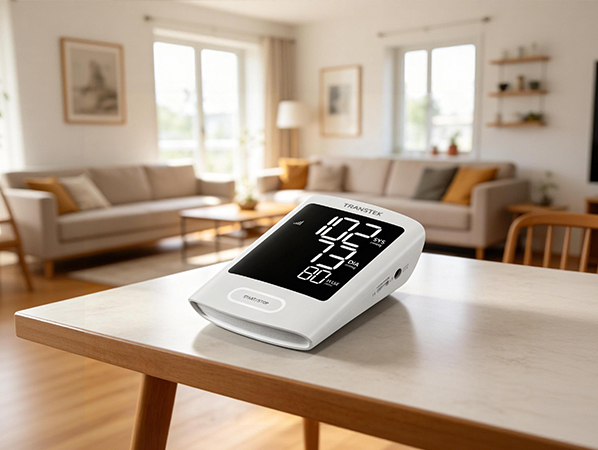
While the monitor itself receives most of the attention, the blood pressure cuff is also a critical component that can gradually wear out over time.
Cuffs are exposed to:
Repeated inflation and deflation
Material fatigue
Velcro wear
Air leakage within the bladder
In many cases, cuffs may last approximately 2 to 3 years depending on usage frequency and handling conditions. A worn cuff may no longer maintain stable pressure or proper arm fit, which can affect reading accuracy.
Common signs that a cuff may need replacement include:
Difficulty maintaining inflation
Loose or slipping fit
Visible cracks or fabric wear
Readings that become increasingly inconsistent
Some RPM blood pressure monitors offer multiple cuff sizes to support proper fit across a broader range of patients, including elderly individuals and users with larger arm circumferences. Proper cuff sizing remains an important factor in maintaining accurate measurements.
Even if a device appears to function normally, there are several indicators that suggest it may be time for replacement. Based on industry insights and clinical recommendations, here are the most important signs:
If readings vary significantly without a clear physiological explanation, the device may be losing calibration accuracy. Comparing readings with a validated clinical device can help confirm this issue.
If the cuff inflates too slowly, too quickly, or unevenly, it may indicate internal pump or valve issues.
Repeated error codes or failed measurements can signal sensor degradation or internal malfunction.
Short battery life or unstable power performance can impact device reliability.
Even if no obvious issues are present, most experts recommend replacing a monitor every 3–5 years to ensure continued accuracy.
Older devices may not integrate with digital health platforms or remote monitoring systems, limiting their usefulness in today’s healthcare environment. Upgrading to a modern RPM-enabled monitor ensures not only better accuracy but also improved data transmission and clinical oversight.
Devices used daily or multiple times per day will naturally wear out faster than those used occasionally.
Exposure to humidity, extreme temperatures, or dust can damage internal components.
Improper storage, dropping the device, or tightly folding the cuff can reduce lifespan.
Failure to calibrate periodically can lead to drift in measurement accuracy over time.
Medical-grade devices typically use higher-quality sensors and materials, resulting in longer lifespan and more reliable performance.
Proper maintenance may help extend the usable lifespan of a blood pressure monitor and support more consistent readings.
Periodic calibration, often recommended every 1 to 2 years depending on usage conditions, may help maintain measurement accuracy.
Store the monitor in a cool, dry location. Avoid excessive heat, humidity, or tightly bending the cuff tubing.
Avoid dropping or striking the device, as internal measurement components can be sensitive to impact.
Use recommended batteries or approved power adapters and replace batteries regularly when needed.
Wipe the monitor and cuff with a soft cloth to help maintain cleanliness and reduce material wear over time.
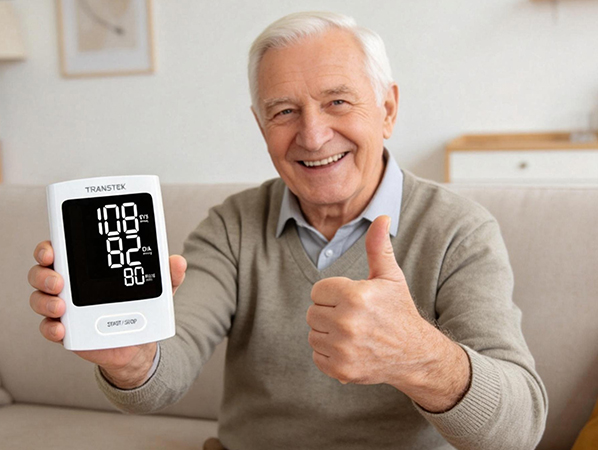
Modern RPM blood pressure monitors often include features designed to support stable long-term home monitoring.
Examples may include:
Automatic transmission of readings through cellular connectivity
Reading retransmission support when connectivity interruptions occur
Clinically validated measurement algorithms
Multi-network connectivity support for broader coverage stability
These features may help simplify home monitoring workflows while reducing manual recording steps for patients.
Some RPM-enabled monitors also support:
Automatic sharing of readings with healthcare providers
More timely review of home blood pressure measurements
Integration into telehealth and RPM programs
Reduced need for manual logging
For healthcare providers, these capabilities may help support more consistent long-term follow-up. For patients, they can simplify daily monitoring routines and reduce technology-related barriers.
Blood pressure monitors are vital tools in managing cardiovascular health, but they are not designed to last forever. With an average lifespan of 3–5 years, regular evaluation and timely replacement are essential to ensure accurate readings and effective care. Understanding the signs of device wear, maintaining proper care routines, and upgrading to modern RPM solutions can significantly improve both clinical outcomes and user experience.
As healthcare continues to move toward remote and preventive models, investing in reliable, long-lasting devices will play a crucial role in supporting better health outcomes and more efficient care systems.
+86-0760-88282982