For many patients, leaving the hospital does not mean recovery is complete. The period immediately following discharge is often one of the most vulnerable stages in the care journey, particularly for individuals recovering from respiratory infections, cardiovascular events, surgery, or chronic pulmonary disease exacerbations. During this transition, patients are no longer under direct clinical supervision, yet their conditions may still fluctuate significantly.
One of the most important indicators clinicians monitor during recovery is blood oxygen saturation (SpO₂). Even small declines in oxygen saturation may indicate worsening respiratory function, infection, or cardiovascular stress before noticeable symptoms appear. Unfortunately, traditional follow-up models rely heavily on scheduled appointments and patient self-reporting, which may delay recognition of deterioration.
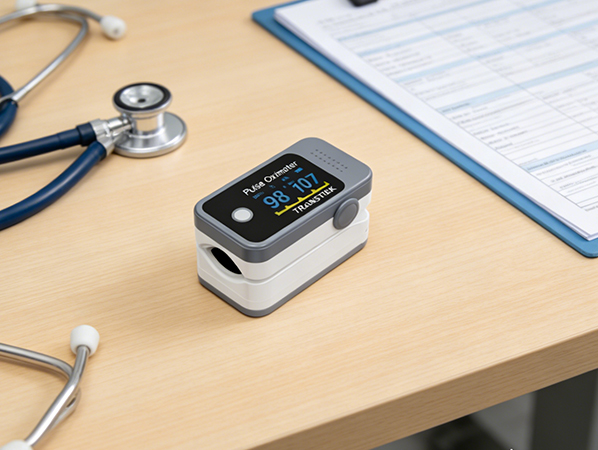
The TeleRPM 4G Cellular Pulse Oximeter helps address this gap by supporting ongoing remote SpO₂ monitoring through built-in cellular connectivity. By automatically transmitting SpO₂ and pulse rate readings to healthcare providers, it supports safer recovery, earlier intervention, and stronger continuity of care after discharge.
Hospital readmissions remain a major challenge in modern healthcare systems. Patients recovering from pneumonia, COPD exacerbations, heart failure, or respiratory infections often experience complications days or weeks after discharge. In many cases, symptoms worsen gradually, making them difficult to detect without objective physiological monitoring.
SpO₂ monitoring provides clinicians with valuable visibility into respiratory stability during this recovery period. Declining oxygen saturation may indicate airway inflammation, fluid accumulation, impaired lung function, or reduced cardiovascular efficiency. Early recognition of these changes allows clinicians to intervene before conditions escalate into emergencies.
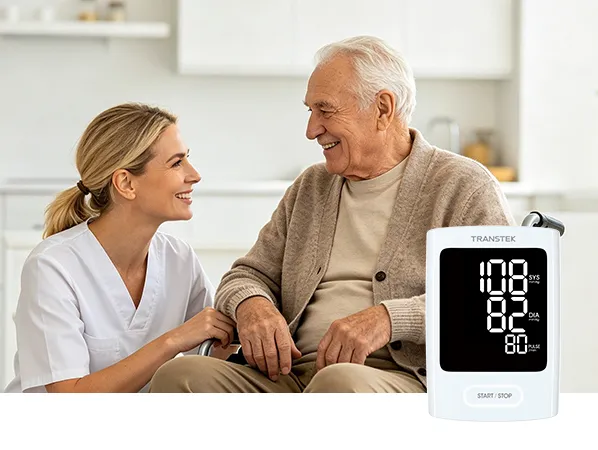
The TeleRPM 4G Cellular Pulse Oximeter transforms this process from occasional spot checks into more consistent remote monitoring. Instead of relying solely on how patients feel, clinicians can review physiological measurements remotely between follow-up visits. This approach is particularly valuable for elderly individuals and patients with multiple chronic conditions, who may struggle to recognize or communicate subtle changes in their health status.
One of the greatest obstacles in remote patient monitoring is device usability. Many home monitoring solutions depend on smartphones, Bluetooth pairing, mobile applications, or home Wi-Fi networks. While these technologies may work well for some users, they often create barriers for elderly populations, rural communities, and patients with limited digital literacy.
The TeleRPM 4G Cellular Pulse Oximeter removes these challenges through integrated 4G cellular connectivity that does not rely on smartphones or home Wi-Fi networks.
After each measurement, readings are transmitted automatically to the RPM platform without requiring additional devices or manual syncing.
Patients simply place the oximeter on their finger and begin the measurement process. There are no applications to open, no pairing steps, and no technical setup required. This simplicity reduces frustration, supports patient adherence, and helps healthcare providers receive consistent patient readings.
For healthcare providers, 4G connectivity also simplifies deployment. Devices can be shipped directly to patients and used immediately out of the box, enabling scalable RPM implementation without complex onboarding procedures.
Regular access to SpO₂ readings allows clinicians to move from reactive care toward earlier intervention. Rather than waiting for patients to report symptoms severe enough to require urgent treatment, providers can identify concerning changes earlier.
For example, a gradual decline in oxygen saturation over several days may prompt a clinician to recommend medication adjustments, supplemental oxygen evaluation, or an earlier follow-up appointment. These early actions can often help prevent emergency department visits and avoid unnecessary hospitalization.
This proactive care model aligns closely with value-based healthcare strategies focused on improving outcomes while reducing overall healthcare costs. By supporting earlier detection and intervention, the RPM Pulse Oximeter helps healthcare providers improve care quality while optimizing resource utilization.
Effective remote monitoring depends not only on connectivity but also on patient adherence. Devices that are uncomfortable, complicated, or unreliable are less likely to be used consistently.
The TeleRPM 4G Cellular Pulse Oximeter is designed specifically for everyday home use. Its compact fingertip form factor allows for quick and comfortable measurements, while its intuitive operation supports users of all ages and technical backgrounds.
Clear display visibility and fast measurement feedback further improve usability. Patients can easily understand their readings, increasing confidence and encouraging regular monitoring as part of their daily health routine.
Respiratory health rarely exists in isolation. Patients with oxygenation concerns often have coexisting cardiovascular, metabolic, or pulmonary conditions that require comprehensive monitoring.
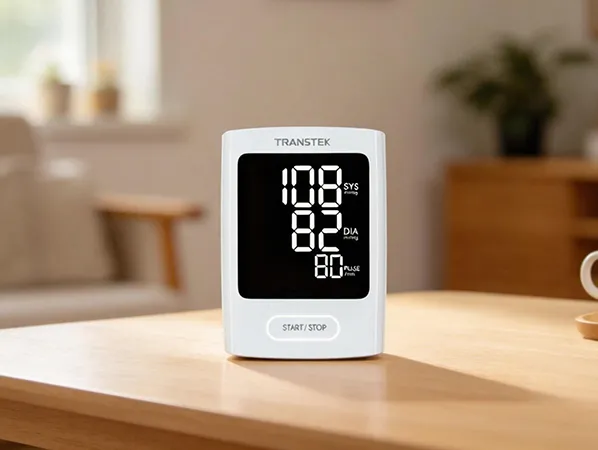
The TeleRPM 4G Cellular Pulse Oximeter integrates into broader RPM programs alongside blood pressure monitors, glucose meters, and weight scales. This integrated approach allows clinicians to review multiple physiological measurements together, providing a more complete understanding of patient health.
For example, declining oxygen saturation combined with rapid weight gain may indicate worsening heart failure, while oxygen variability alongside elevated blood pressure may suggest broader cardiovascular stress. Multi-parameter monitoring supports more personalized and effective care planning.
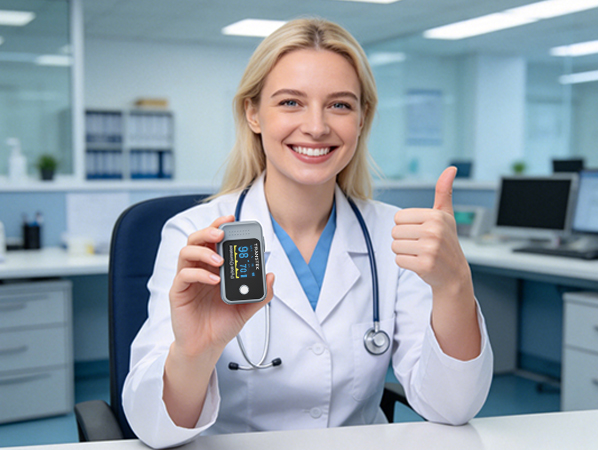
The TeleRPM 4G Cellular Pulse Oximeter represents a significant advancement in post-discharge and chronic respiratory care. By combining medical-grade oxygen monitoring with seamless 4G cellular connectivity, it extends clinical visibility far beyond hospital walls. Its ability to support earlier intervention, improve adherence, and simplify remote monitoring makes it an essential tool for healthcare providers focused on continuity of care and long-term patient outcomes.
As healthcare increasingly shifts toward home-based care models, 4G cellular pulse oximeters will continue to play a central role in enabling safer recovery, reducing readmissions, and improving the patient experience.
+86-0760-88282982