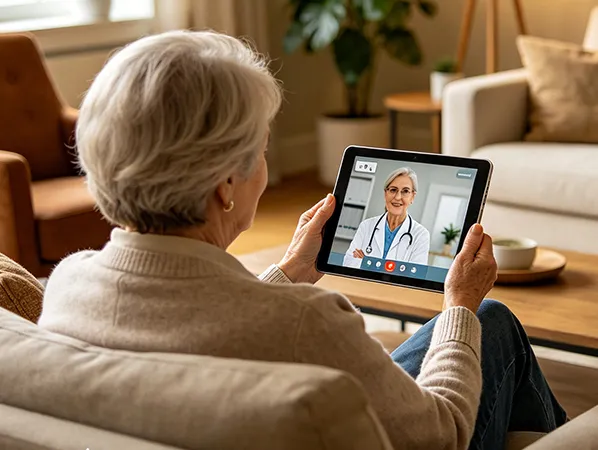
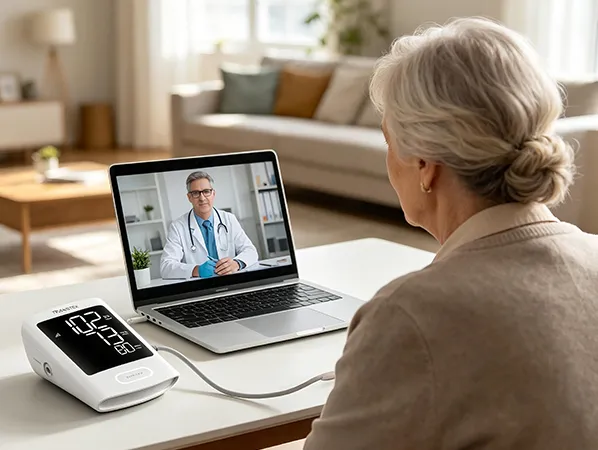
Weight monitoring is a key component in managing chronic conditions such as heart failure, kidney disease, and metabolic disorders. However, in home environments, maintaining consistent measurement routines remains a challenge due to usability barriers rather than device accuracy alone.
Many patients struggle not because of the scale itself, but because of the steps required after measurement—such as connecting devices, managing mobile interfaces, or ensuring successful transmission of results. These small friction points often lead to inconsistent usage over time.
The TeleRPM Scale (Bluetooth®) is designed around a different approach: a pre-paired hub-based architecture that removes patient-side connection tasks entirely.
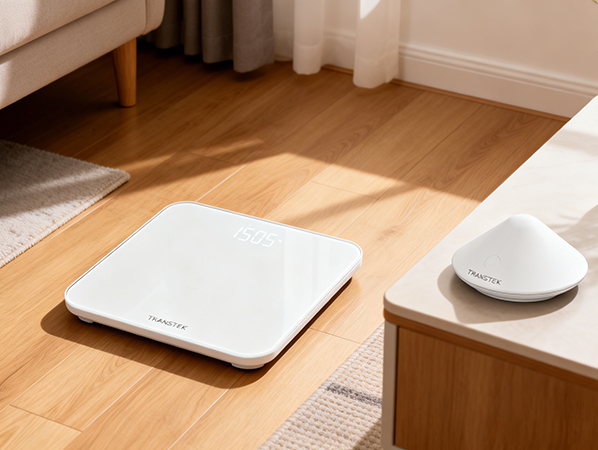
In traditional Bluetooth-enabled monitoring setups, patients are often required to complete pairing steps or manage device connections. Even when simplified, this process can still introduce uncertainty and reduce long-term adherence.
The TeleRPM Scale (Bluetooth®) eliminates this burden by using a hub that is pre-paired during manufacturing. Once the system is deployed, the remote weight scale automatically communicates with the hub without requiring any user configuration.
This design shifts complexity away from the patient, allowing the measurement process to remain simple: step on the scale, complete the reading, and step off.
By removing setup requirements at the patient level, the system supports more consistent usage in long-term home monitoring programs.
Home monitoring devices must serve patients with varying levels of physical ability and technical familiarity.
The TeleRPM Scale (Bluetooth®) is designed with both higher weight capacity and a clear, large display to improve usability across different patient groups.
A higher capacity ensures the device can safely accommodate a wider range of body types, while maintaining stable measurement performance during everyday use.
At the same time, a larger display reduces reading difficulty, especially for elderly patients or those with reduced vision. Clear visual feedback immediately after measurement helps reduce uncertainty and supports more confident self-monitoring.
Consistency is one of the most important factors in home monitoring success. However, adherence often declines when device usage feels complicated or time-consuming.
By removing connection steps and relying on a pre-paired hub system, the TeleRPM Scale (Bluetooth®) fits more naturally into daily routines.
Patients do not need to manage devices or perform additional actions beyond the measurement itself. This simplicity reduces the likelihood of missed readings and helps maintain long-term engagement in monitoring programs.
For patients managing multiple chronic conditions, reducing operational complexity is particularly important, as it prevents monitoring fatigue and supports sustainable use.
In remote monitoring programs, consistency begins at the moment of measurement. If results are unclear or difficult to confirm, errors can occur before information is even transmitted to clinical teams.
The weighing scale with Bluetooth addresses this by combining a stable measurement platform with a clear, high-contrast display. This helps ensure that patients can accurately read their results without hesitation or interpretation errors.
By improving clarity at the point of use, the system reduces variability introduced by user interpretation and supports more reliable monitoring in home care environments.
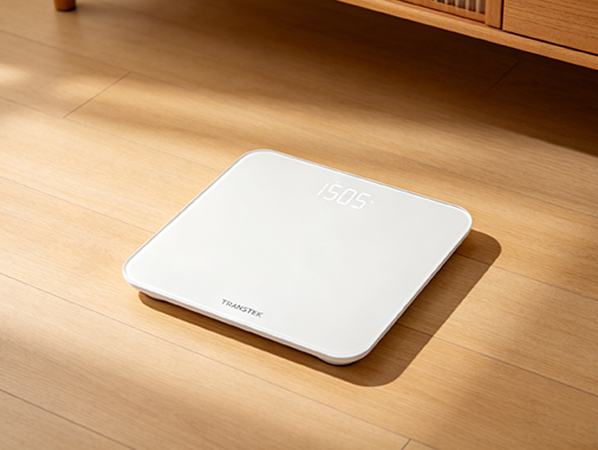
Instead of focusing on connectivity complexity, the TeleRPM Scale (Bluetooth®) prioritizes simplicity at the device level through hub-based integration.
This approach reduces the number of steps required from patients, improves consistency of use, and ensures that weight monitoring can be maintained as part of a daily routine rather than a technical task.
In chronic care management, this type of usability-focused design helps strengthen long-term monitoring programs and supports more stable patient engagement over time.
+86-0760-88282982