After a patient starts a new blood pressure medication or adjusts an existing treatment, the following days and weeks become an important period for follow-up. Blood pressure may gradually move toward the target range, remain elevated, fluctuate throughout the day, or occasionally fall lower than expected. For healthcare providers, these changes are difficult to evaluate from a single office reading.
This is why home blood pressure monitoring plays an important role after medication changes. A blood pressure monitor allows patients to measure blood pressure during their normal daily routine, while remote patient monitoring (RPM) enables healthcare providers to review long-term trends and determine whether additional follow-up may be needed.
Medication adjustment often requires closer observation than routine hypertension management. Healthcare providers may want to understand how blood pressure responds after starting a new prescription, changing the dosage, adjusting medication timing, or modifying an overall treatment plan. Regular home measurements provide a more complete picture than occasional clinic visits and reduce reliance on patient memory or handwritten logs.
Blood pressure medication does not produce the same response for every patient. Some patients improve gradually, while others continue to experience elevated blood pressure. In some cases, readings may fluctuate significantly or become lower than expected.
Closer monitoring is often recommended after:
Starting antihypertensive medication
Increasing or reducing the medication dosage
Changing the time of day medication is taken
Adding an additional blood pressure medication
Adjusting treatment after hospitalization or a cardiovascular event
Managing pregnancy-related hypertension
Following patients with diabetes, chronic kidney disease, or heart failure
Office measurements remain valuable, but they only capture a single moment. Home blood pressure monitoring allows healthcare providers to observe blood pressure under normal daily conditions and better understand whether treatment appears to be moving in the desired direction while keeping all clinical decisions under professional supervision.
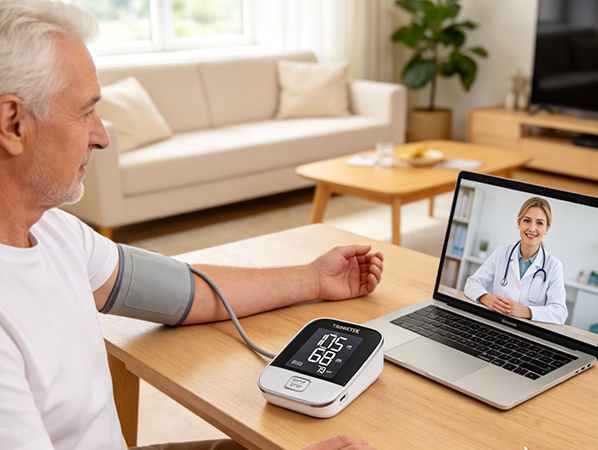
A Bluetooth blood pressure monitor provides patients with a convenient way to measure blood pressure during the days and weeks following a medication adjustment. Instead of waiting until the next clinic appointment, patients can measure blood pressure at the recommended times while healthcare providers review long-term measurement history remotely.
For medication follow-up, consistency is essential. Healthcare providers often compare morning and evening readings, observe changes after medication timing adjustments, and evaluate whether blood pressure is gradually approaching the target range.
Within Transtek RPM solution, the Bluetooth blood pressure monitor measures systolic pressure, diastolic pressure, and pulse rate at home. The readings are transmitted to AnyHub through Bluetooth® 5.0. AnyHub then forwards the readings through its built-in cellular connection to the device management dashboard, allowing healthcare providers to review measurement history remotely without depending on smartphone pairing, home Wi-Fi, handwritten records, or manual reporting.
This Bluetooth-to-AnyHub workflow is particularly beneficial for older adults and patients managing chronic conditions. Patients simply complete the measurement while AnyHub automatically handles the transmission process, helping reduce technical barriers and supporting more consistent home blood pressure monitoring.
One reading rarely tells the whole story after a medication adjustment. A single high reading may result from stress, physical activity, caffeine intake, poor sleep, or improper measurement technique. Likewise, one low reading may not accurately represent overall blood pressure control.
Over time, home blood pressure monitoring allows healthcare providers to review:
Whether average blood pressure is moving toward the target range
Whether morning readings remain consistently higher than evening readings
Whether blood pressure falls too low after medication adjustments
Whether readings fluctuate significantly across several days
Whether pulse rate changes accompany blood pressure changes
Whether patients are measuring consistently
Whether blood pressure remains elevated despite treatment changes
These long-term patterns help healthcare providers decide whether continued observation, medication review, patient education, or additional evaluation may be appropriate.
Patients should never adjust or stop blood pressure medication based solely on home readings. Home monitoring supports clinical decision-making but does not replace professional medical judgment.
Reliable home monitoring depends on accurate measurement. Even an advanced Bluetooth blood pressure monitor cannot compensate for poor measurement technique or an incorrectly fitted cuff.
Patients should remain seated comfortably, support the measuring arm at heart level, place the cuff directly on bare skin above the elbow, and remain still throughout the measurement. Small differences in posture, movement, or cuff placement may influence blood pressure readings.
Proper cuff selection is equally important. A cuff that is too small or too large may affect measurement accuracy. For RPM programs serving diverse patient populations, multiple cuff size options help improve measurement reliability while supporting better long-term patient adherence.
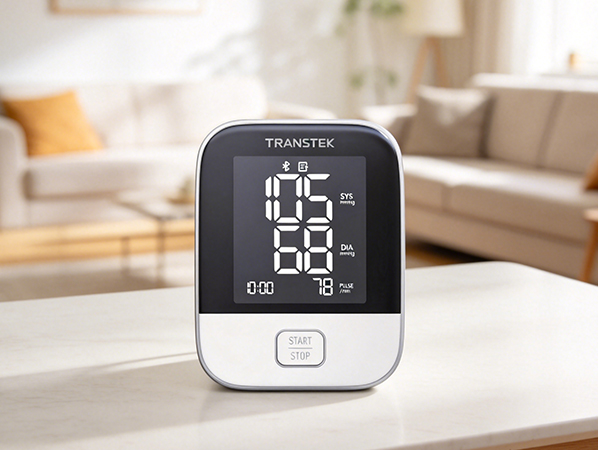
Transtek BPM (Bluetooth®) Plus is designed specifically for remote blood pressure monitoring. It features Bluetooth® 5.0 connectivity, one-button operation, medical-grade measurement performance, a patented measurement algorithm, multiple cuff size options, and seamless integration with AnyHub for RPM deployment.
Manual reporting remains useful in some situations, but it also presents practical challenges. Patients may forget to record readings, write down incorrect values, miss scheduled measurements, or bring incomplete records to follow-up visits. During medication adjustment, these missing readings make it more difficult to evaluate treatment progress.
A Bluetooth blood pressure monitor helps simplify this process. After each measurement, readings are automatically transmitted to AnyHub, which then securely forwards them through its built-in cellular connection to the device management dashboard. This workflow supports more consistent monitoring throughout the medication adjustment period without requiring patients to manage smartphone apps or home Wi-Fi connections.
For example, if blood pressure gradually improves during the first two weeks after a medication change, healthcare providers can review long-term trends and determine whether treatment is progressing as expected. If readings remain elevated or become unexpectedly low, providers may investigate medication adherence, lifestyle factors, measurement technique, or determine whether additional follow-up is necessary.
Compared with occasional office visits or handwritten records, connected monitoring provides a more complete picture of blood pressure changes throughout treatment adjustment.
Medication adjustment is one of the most practical applications for remote patient monitoring because it focuses on a defined period when closer observation provides greater clinical value.
This approach may benefit patients who recently started antihypertensive medication, individuals whose blood pressure remains uncontrolled, older adults managing multiple chronic conditions, patients recently discharged from hospital care, or those whose medication schedule has changed.
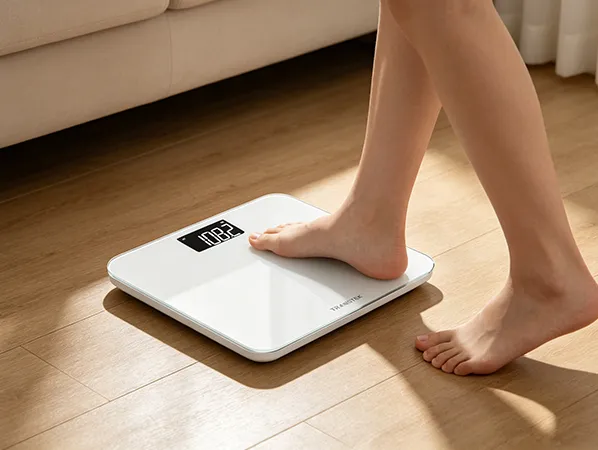
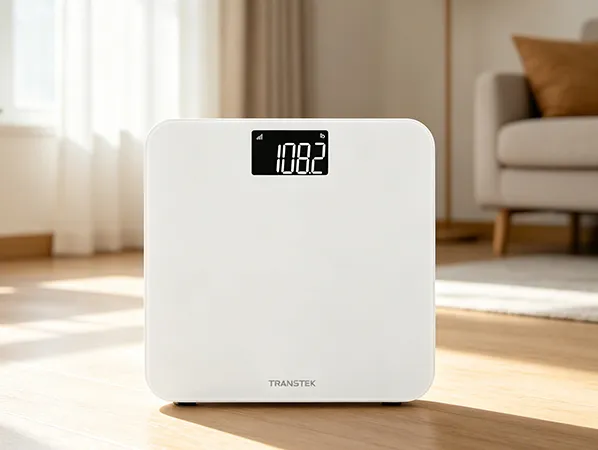
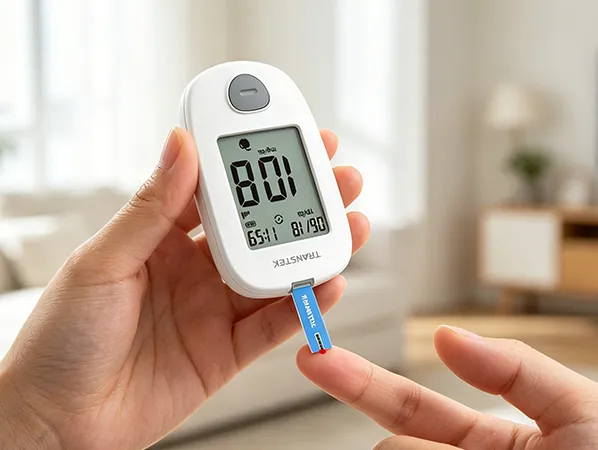
Bluetooth blood pressure monitors also integrate naturally into multi-device RPM programs. Through AnyHub, healthcare providers can connect additional Bluetooth devices, including blood glucose monitors, pulse oximeters, and weight scales, using the same monitoring workflow. This simplifies deployment while supporting more comprehensive chronic disease management.
Medication adjustment is a critical stage in hypertension management. Home blood pressure monitoring provides healthcare providers with valuable insight into how blood pressure responds after treatment changes, helping identify long-term trends that may require additional follow-up.
Designed for remote patient monitoring, Transtek BPM (Bluetooth®) Plus combines accurate blood pressure measurement, Bluetooth® 5.0 connectivity, one-button operation, multiple cuff size options, and seamless integration with AnyHub. Together, the Bluetooth blood pressure monitor and AnyHub create a simple, scalable monitoring workflow that helps healthcare providers review home blood pressure trends more efficiently while reducing reliance on manual reporting and smartphone-based monitoring.
+86-0760-88282982