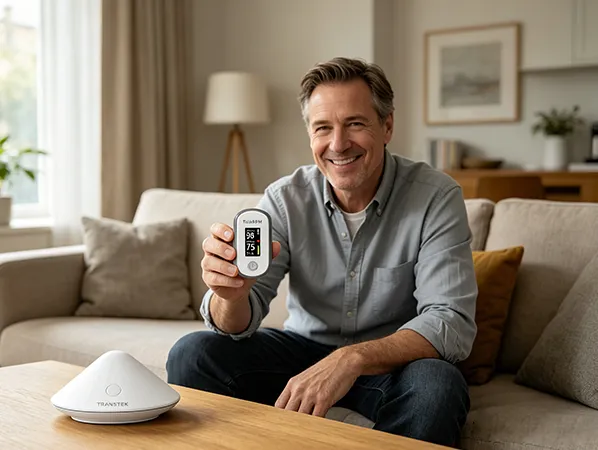
High blood pressure remains one of the most widespread and under-controlled chronic conditions worldwide. In response, doctors are increasingly encouraging patients to use a Blood Pressure Monitor at home as part of routine care. Recent clinical guidelines and advances in telehealth have elevated home monitoring from a "nice-to-have" to a core standard of hypertension management. Companies like TeleRPM support this shift by providing connected, clinician-ready monitoring solutions.
Major medical organizations have formally recognized home blood pressure monitoring as essential. The American Heart Association (AHA) and American College of Cardiology (ACC) recommend validated, upper-arm home blood pressure monitors as part of routine diagnosis and treatment for hypertension. Updated 2025 guidelines emphasize out-of-office measurements as more reliable than occasional clinic readings, due to reduced stress and better reflection of daily blood pressure patterns.
Doctors increasingly rely on home readings to confirm diagnoses, monitor medication effectiveness, and adjust treatment plans. This shift reflects growing evidence that consistent home monitoring leads to better blood pressure control and improved long-term cardiovascular outcomes.
.jpg "Why Doctors Recommend Home Blood Pressure Monitors More Than Ever")
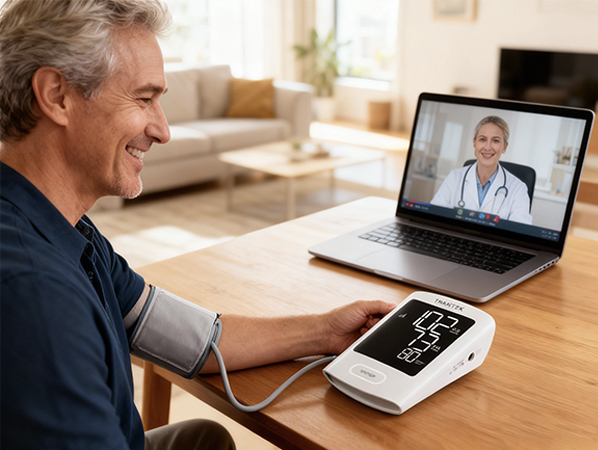
The rapid expansion of telehealth has fundamentally changed how care is delivered. Virtual visits are now widely used for chronic disease management, making accurate home data essential. Studies published by Harvard Health and peer-reviewed medical journals show that combining telehealth visits with home blood pressure monitoring helps patients reach and maintain healthy blood pressure levels more effectively than office visits alone.
For clinicians, a reliable Blood Pressure Monitor at home allows continuous visibility into patient trends between appointments. TeleRPM supports this model by enabling seamless integration of home readings into remote patient monitoring (RPM) workflows, ensuring doctors have timely, actionable data during virtual consultations.
Another reason doctors increasingly recommend home blood pressure monitors is improved accuracy. Clinical evidence shows that home readings often provide a more realistic picture of a patient's true blood pressure compared to in-office measurements, which can be influenced by anxiety or "white-coat hypertension".
Validated home devices enable clinicians to:
Detect masked or fluctuating hypertension
Track trends over time instead of single data points
Make earlier, more precise treatment adjustments
Recent guideline updates further stress correct measurement technique and validated devices, reinforcing the importance of using clinically approved home monitors rather than generic or unverified products.
Preventive care is a major driver behind the rise of home blood pressure monitoring. Early detection of rising blood pressure allows clinicians to intervene before serious complications develop. Research presented at American Heart Association Scientific Sessions shows that remote blood pressure monitoring programs significantly improve control rates, even among patients with treatment-resistant hypertension.
From a healthcare system perspective, home monitoring helps reduce hospital admissions, emergency visits, and long-term cardiovascular costs. TeleRPM's connected Blood Pressure Monitor solutions support this preventive approach by enabling continuous monitoring, automated data transmission, and clinician oversight—without increasing patient burden.
Doctors recommend home blood pressure monitors more than ever because the evidence is clear: regular, accurate home monitoring improves diagnosis, supports telehealth care, enhances treatment decisions, and leads to better patient outcomes. As clinical guidelines evolve and remote care becomes standard practice, tools like the Blood Pressure Monitor offered by TeleRPM are playing a critical role in modern hypertension management.
+86-0760-88282982