Stroke remains one of the leading causes of death and long-term disability worldwide, and high blood pressure is its most significant modifiable risk factor. The good news? You can take meaningful steps at home to reduce your risk. Home blood pressure monitoring, supported by digital health solutions like TeleRPM, empowers individuals to track and manage their blood pressure before serious complications develop. Here's what you need to know.
High blood pressure (hypertension) is often called the “silent killer” because it may not cause noticeable symptoms until serious damage has occurred. Persistently elevated blood pressure strains blood vessels, increasing the likelihood of clots or ruptures in the brain—both of which can cause a stroke.
Regular monitoring helps identify patterns and catch rising numbers early. Using a reliable Blood Pressure Monitor at home allows individuals to go beyond occasional clinic readings, which may be influenced by stress or “white coat” hypertension. Consistent home readings provide a clearer picture of your true cardiovascular health and enable earlier, more effective intervention.
Home monitoring offers several advantages over relying solely on in-clinic measurements. First, it encourages consistency. Taking readings at the same time each day helps establish trends that matter more than single readings.
Second, a home Blood Pressure Monitor supports patient engagement. When people see their numbers regularly, they are more likely to adhere to medications, improve diet, exercise, and follow medical advice. Studies have shown that patients who monitor at home often achieve better blood pressure control.
Finally, home monitoring improves communication with healthcare providers. By sharing accurate, ongoing data, clinicians can make better-informed decisions. Platforms like TeleRPM simplify this process by securely transmitting readings to care teams, reducing delays in treatment adjustments and improving outcomes.
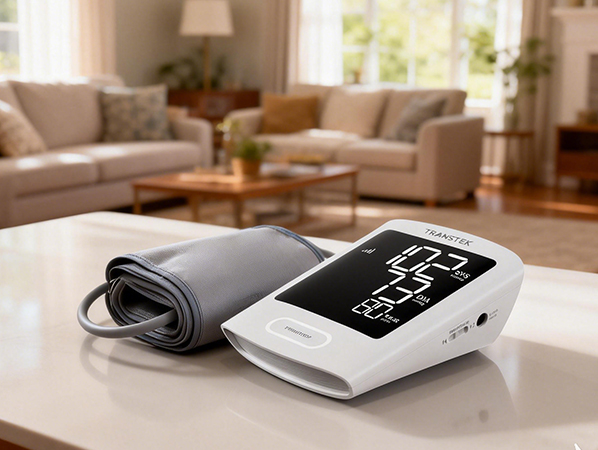
Accuracy is essential when measuring blood pressure at home. Start by choosing a clinically validated Blood Pressure Monitor, preferably an upper-arm cuff model. Wrist and finger monitors can be less reliable if not used perfectly.
Before taking a reading, sit quietly for five minutes, keep your feet flat on the floor, and rest your arm at heart level. Avoid caffeine, exercise, or smoking at least 30 minutes prior. Take two readings, one minute apart, and record the average.
Consistency is key. Measure at the same times each day—often morning and evening—and follow your provider's guidance on frequency. TeleRPM-enabled devices can automatically log and transmit readings, reducing manual errors and ensuring your data is always up to date.
Home monitoring is most powerful when combined with professional oversight. Remote patient monitoring solutions bridge the gap between home and clinic, turning raw data into actionable insights.
With TeleRPM, blood pressure readings from your Blood Pressure Monitor are securely shared with healthcare teams in near real time. Alerts can be triggered when readings exceed safe thresholds, allowing providers to intervene early—often before a stroke or other cardiovascular event occurs.
This connected approach also reduces unnecessary clinic visits while maintaining a high level of care. Patients gain peace of mind knowing their health is being monitored continuously, not just during occasional appointments.
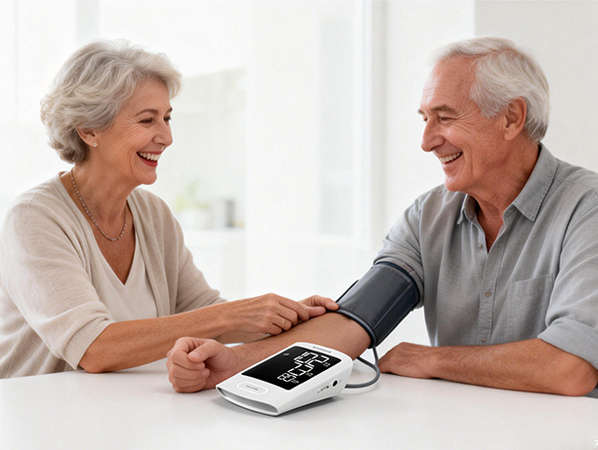
Preventing stroke starts with awareness and daily action. Home blood pressure monitoring puts control in your hands, helping you recognize risks early and stay engaged in your health journey. When paired with a trusted Blood Pressure Monitor and a connected care platform like TeleRPM, monitoring becomes more than a routine—it becomes a proactive strategy for long-term stroke prevention.
By tracking consistently, using accurate tools, and staying connected to care teams, individuals can significantly reduce stroke risk and protect long-term health — right from home.
+86-0760-88282982