Hypertension affects an estimated 1.4 billion adults worldwide (based on 2024 data), making reliable remote monitoring more critical than ever. As chronic diseases continue to rise globally, healthcare providers are turning to smarter, more connected solutions. Among these, the 4G Blood Pressure Monitor has become a critical tool for improving care quality, data reliability, and patient outcomes. Brands like TeleRPM are leading this shift by enabling real-time, cellular-based health monitoring without technical barriers.
A 4G Blood Pressure Monitor uses built-in cellular connectivity to automatically transmit blood pressure readings to cloud platforms and healthcare systems. Unlike Bluetooth or Wi-Fi devices, 4G monitors do not rely on smartphones or home networks, making them ideal for elderly patients and those in rural or underserved areas.
For remote patient monitoring (RPM) programs, this means:
Continuous and reliable data transmission
Reduced device setup complexity
Higher patient adherence and compliance
TeleRPM integrates 4G blood pressure monitoring into scalable RPM programs, allowing clinicians to track patient data daily without manual uploads or technical intervention.
Telehealth depends heavily on accurate, up-to-date patient data. Traditional telehealth visits often rely on self-reported readings, which can be incomplete or inaccurate. A 4G Monitor solves this issue by providing clinicians with real-time, clinically reliable blood pressure data before and between virtual consultations.
With TeleRPM-enabled devices, healthcare providers can:
Detect abnormal blood pressure trends early
Adjust medications based on real-world data
Reduce unnecessary in-person visits
This data-driven approach strengthens telehealth decision-making and improves the overall quality of virtual care, especially for patients with hypertension, heart disease, or post-hospital discharge needs.
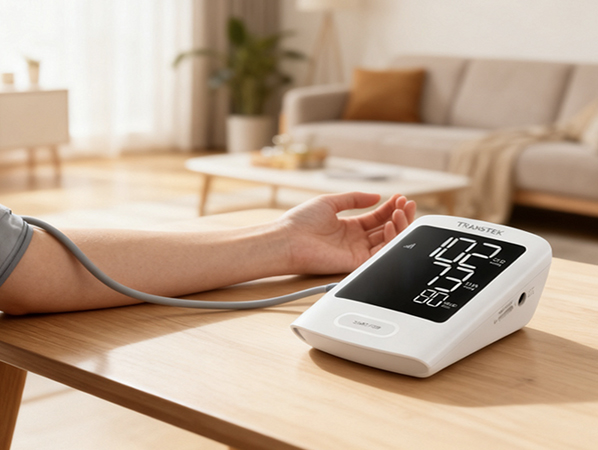
Patient engagement is one of the biggest challenges in chronic disease management. Many patients forget to log readings or struggle with complicated devices. A 4G Blood Pressure Monitor removes these barriers by automating the monitoring process.
TeleRPM focuses on patient-friendly design and seamless connectivity, helping patients:
Measure blood pressure with one-touch operation
Automatically send readings to care teams
Receive timely feedback and interventions
This ease of use increases long-term engagement, improves medication adherence, and helps patients feel more connected to their healthcare providers—key factors in successful chronic disease management.
From a healthcare system perspective, 4G-enabled monitoring offers significant economic and clinical benefits. Early detection of blood pressure fluctuations can prevent emergency events, hospital readmissions, and costly complications.
By deploying 4G Blood Pressure Monitor solutions through TeleRPM, healthcare organizations can:
Lower hospitalization and ER visit rates
Optimize clinician time with automated data flow
Scale RPM and telehealth programs efficiently
As value-based care models continue to expand, remote monitoring powered by reliable 4G connectivity is becoming essential for improving outcomes while controlling costs.
.jpg "4G Blood Pressure Monitors")
The integration of 4G Blood Pressure Monitors into remote patient care and telehealth services represents a major advancement in connected healthcare. With real-time data transmission, improved patient engagement, and seamless clinical integration, these devices are redefining how hypertension and chronic conditions are managed.
By choosing trusted solutions like TeleRPM, healthcare providers can build more effective RPM programs, enhance telehealth services, and deliver better care—anytime, anywhere.
+86-0760-88282982