Blood pressure can change a lot during pregnancy. While many fluctuations are normal, some changes — especially sudden spikes — can signal conditions like gestational hypertension or preeclampsia, which need prompt attention. A reliable Blood Pressure Monitor at home helps expectant mothers track trends, share accurate data with their care team, and get peace of mind between clinic visits. Below are clear, practical tips on monitoring plus what to look for when choosing a monitor — and why TeleRPM models are a strong option for pregnancy use.
.jpg "What to Do About Blood Pressure Fluctuations During Pregnancy?")
During pregnancy, blood vessels expand and the body’s circulation changes. That can mean lower blood pressure in the first and second trimesters, with a return toward baseline later on. However, warning signs include:
New-onset high blood pressure after 20 weeks (≥140/90 mmHg on at least two occasions).
Rapidly rising readings compared with a patient’s baseline.
Symptoms such as severe headache, visual changes, upper abdominal pain, sudden swelling (especially in the face and hands), or decreased fetal movement.
If you see consistent elevated readings or any worrying symptoms, contact your obstetrician or midwife immediately. Home monitoring is not a replacement for clinical care, but a Blood Pressure Monitor that provides accurate, timely readings can be lifesaving by enabling early detection and quicker intervention.
Not all home blood pressure devices are equally appropriate for pregnant women. When selecting a monitor, prioritize:
Clinical accuracy and validation — Choose monitors validated against professional clinical standards. Accuracy is essential in pregnancy, where treatment decisions may depend on small changes.
Correct cuff size and fit — A properly sized cuff (mid-upper arm measurement) is critical. Many errors come from cuffs that are too small or too large; check the blood pressure monitor manufacturer’s cuff range. Wrist devices are more variable and generally less recommended for pregnancy unless validated.
Ease of use — Look for one-button operation, a clear display, and memory for multiple readings. Pregnant women may test while tired or distracted; simplicity reduces user error.
Data logging and sharing — The ability to store readings and share them with your healthcare team (via app, cloud, or direct upload) helps clinicians spot trends. If you prefer not to fuss with apps, consider devices that automatically upload readings.
Safety and comfort — Soft cuffs, gentle inflation, and noninvasive operation matter, especially for frequent checks.
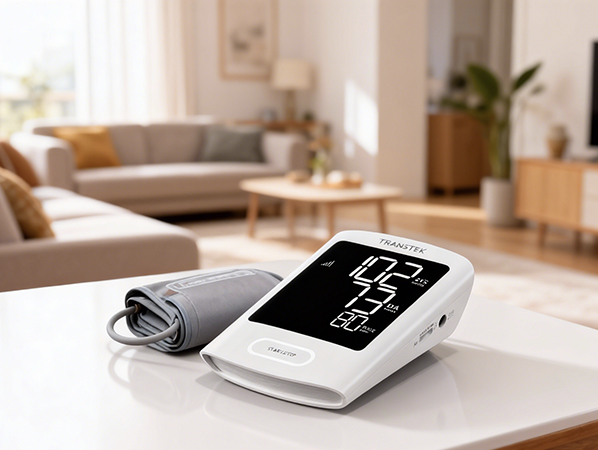
Why TeleRPM? TeleRPM offers medical-grade Blood Pressure Monitor options designed for home use and clinical integration. Key features that make TeleRPM a good choice for pregnant users include reliable accuracy, comfortable arm cuffs in multiple sizes, easy one-touch operation, and options to transmit readings securely to clinicians for remote monitoring. These capabilities let expectant mothers monitor at home while clinicians keep an eye on trends — especially useful for high-risk pregnancies or when frequent in-person visits are challenging.
Support the AT&T, T-Mobile, and Verizon networks.
Measure anywhere, anytime.
Sync data automatically.
Ready to use out of the box.
One-click operation.
Readable guidelines when errors happen.
Clinically Validated for Accuracy.
Triple mode Measurement.
FDA-cleared Blood Pressure Monitor Device.
Small: 16-36 cm (6.3–14.1”) — Tailored for children and individuals with smaller arms to ensure accurate readings.
Regular: 22-43 cm (8.6–16.5”) — Designed for easy application and a reliable fit for most adults.
Classic: 22-45cm (8.6-17.7”) — Ensures a secure and comfortable fit for patients with diabetes and for pregnant users.
Extra-large: 40-52 cm (15.7–20.5”) — Developed to meet the growing need for larger arm circumference options.
If systolic ≥140 mmHg or diastolic ≥90 mmHg on repeated checks, or if you experience severe symptoms (headache, visual disturbances, sudden swelling, belly pain), seek immediate medical evaluation.
A dependable Blood Pressure Monitor tailored for pregnancy — ideally one validated clinically and easy to use like TeleRPM’s models — empowers mothers to participate actively in their care. Regular, accurate home measurements combined with timely communication with your healthcare provider help ensure the best outcomes for both mom and baby. If you’re unsure which monitor to buy or how often to test, discuss it with your obstetric team; they can recommend a specific model and monitoring plan based on your individual risk.
PREV
+86-0760-88282982