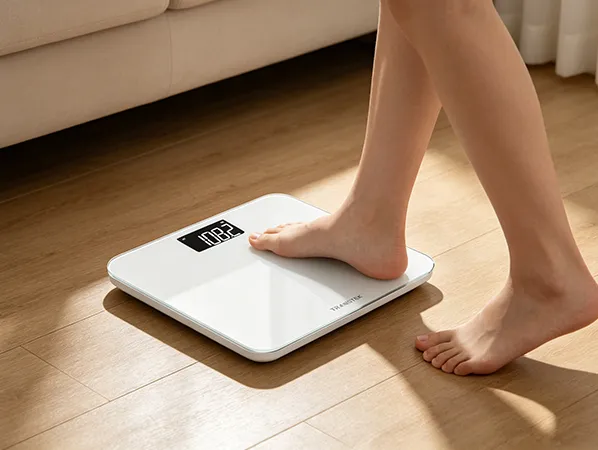
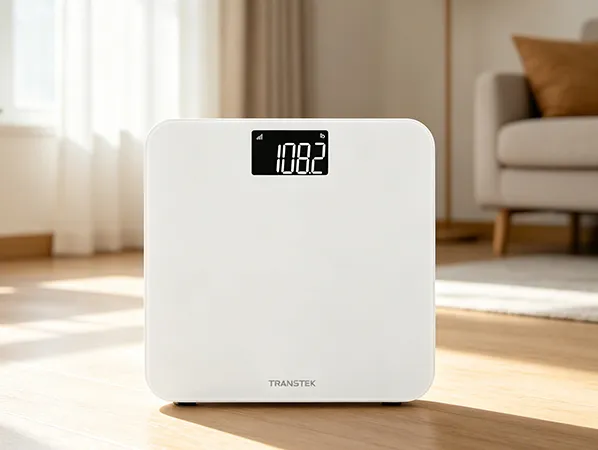
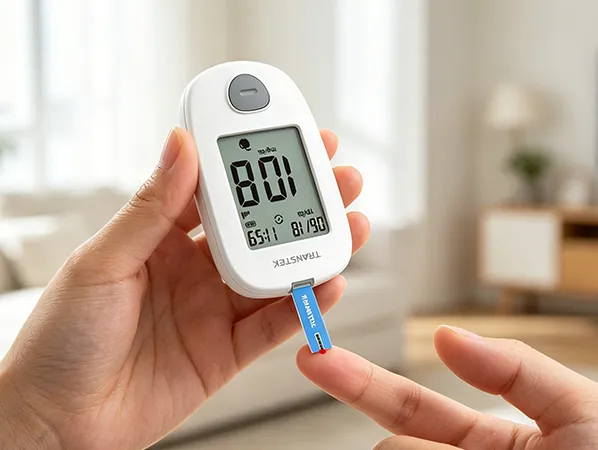
As telehealth continues to redefine modern healthcare, chronic disease management is one of its biggest success stories. Conditions such as type 2 diabetes and hypertension require regular monitoring and timely adjustments in care, yet traditional clinic visits often fall short of providing continuous insight. This is where connected devices like the Blood Glucose Monitor become a game changer. With telehealth models incorporating real-time data flow and remote patient engagement, clinicians and patients now have tools that make chronic disease outcomes measurably better. TeleRPM is at the forefront of integrating these technologies into comprehensive care pathways.
Recent research demonstrates that telehealth interventions significantly enhance blood glucose management in patients with diabetes when compared with traditional care alone. A meta-analysis of randomized controlled trials found that telehealth solutions led to notable improvements in patients' blood glucose control, with a statistically significant overall effect.
Specifically, telehealth interventions — which often include remote monitoring with connected Blood Glucose Monitors — showed improvements in glycemic control indicators such as self-monitored blood glucose profiles and average glycemic measures. These trends were consistent across diverse populations and healthcare settings, illustrating that virtual care models can elevate chronic disease management outcomes beyond conventional in-person interactions.
In a large real-world study of nearly 36,000 adults with newly diagnosed type 2 diabetes, remote glucose monitoring was associated with higher rates of achieving target glycated hemoglobin (HbA1c) values when compared to non-users, with users showing a 23% greater rate of reaching recommended control targets.
A Blood Glucose Monitor that integrates with telehealth platforms transforms episodic self-monitoring into a continuous, data-driven process. Connected monitors upload readings automatically to secure portals, where clinicians can assess trends in near real time. This capability allows for personalized, timely adjustments to care plans — an advantage especially valuable for high-risk patients.
Telehealth combined with automated data transmission reduces reliance on patient memory or manual logging. A systematic review also underscores that telemonitoring can improve physiological parameters (like blood glucose) and enhance self-management in chronic conditions.
Additionally, digital health platforms that integrate Blood Glucose Monitor data support not only remote monitoring but proactive outreach. When clinicians detect patterns such as frequent hyperglycemia or hypoglycemia, they can intervene with virtual consultations, medication adjustments, or lifestyle guidance before complications escalate.
TeleRPM's connected glucose monitors exemplify this shift. They combine high measurement accuracy with seamless data sharing to cloud-based telehealth dashboards, so providers always have up-to-date information to support clinical decisions.
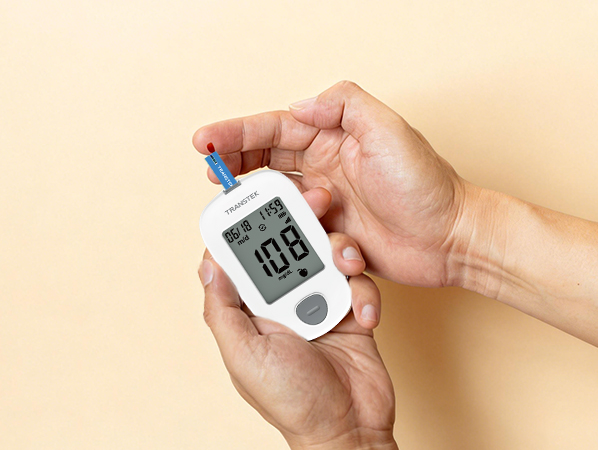
Connected monitoring isn't just about data — it's about empowering patients. Digitizing blood glucose records and sharing them with clinicians improves daily disease management and encourages better habits. A prospective study found that digital systems combining app-cloud cooperation with traditional self-monitoring boosted the frequency of testing and, in certain patient subsets, improved treatment satisfaction and insulin adjustment capabilities.
One key advantage of using connected Blood Glucose Monitors in telehealth is that patients receive timely feedback and support, which motivates sustained engagement. Interactive platforms allow patients to view their own trend data and understand the impact of lifestyle choices such as diet, exercise, or stress, strengthening adherence and self-efficacy.
Moreover, continuous data capture supports more informed conversations between patients and healthcare providers. Rather than relying on isolated point-in-time readings, clinicians can use comprehensive trend data to tailor treatment plans and build patient confidence in managing chronic conditions.
The digital diabetes management market — including connected monitoring tools — continues to grow rapidly as part of wider healthcare trends. Global demand for blood glucose monitoring devices is expanding, driven by increasing diabetes prevalence and the rise of integrated telehealth systems.
Connected Blood Glucose Monitors now form part of holistic care ecosystems that include virtual consultations, remote alerts, and cross-device data integration (e.g., weight scales, blood pressure monitors). This multi-parameter approach supports clinicians in identifying correlations between blood glucose levels and other health indicators, further improving chronic disease outcomes when analyzed together.
TeleRPM is advancing these integrated care models by delivering connected devices that synchronize data automatically, enabling remote monitoring and expert oversight without the need for complex manual inputs from patients. This seamless flow of data aligns with newer telehealth protocols that emphasize real-time information and risk stratification to optimize long-term health outcomes.
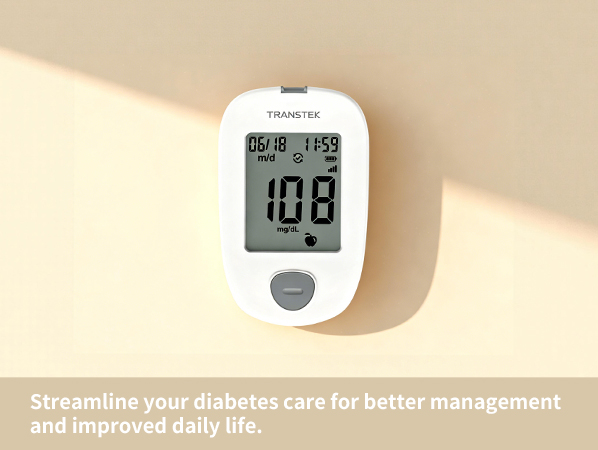
The integration of telehealth with connected Blood Glucose Monitors represents a major evolution in chronic disease management. Evidence shows that when patients use connected devices as part of a telemedicine program, glycemic control improves and self-management behaviors strengthen. Platforms like TeleRPM help translate these benefits into everyday care by enabling real-time data collection, enhanced clinician oversight, and improved patient engagement. As telehealth continues to expand globally, connected glucose monitoring will remain central to smarter, more proactive diabetes care — enhancing patient outcomes at every step.
+86-0760-88282982