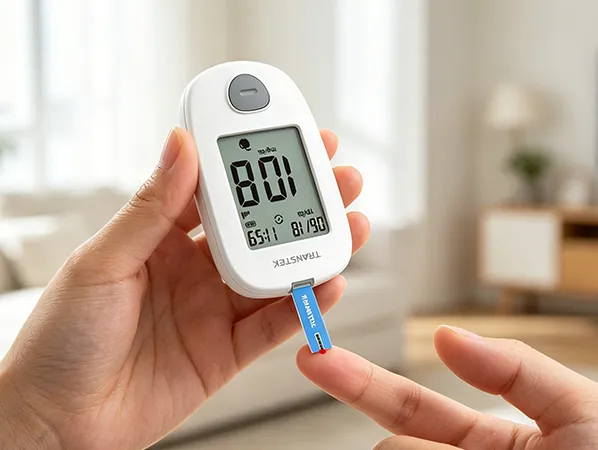
Diabetes remains one of the world's most pressing chronic health challenges, affecting hundreds of millions globally. As telehealth technologies evolve, they are reshaping how diabetes care is delivered — shifting from episodic clinic visits to continuous, data-driven remote management. Central to this transformation are connected Blood Glucose Monitors, which enable real-time tracking, remote clinician oversight, and better engagement between patients and care teams. Telehealth platforms like TeleRPM are at the forefront of integrating these devices into smarter diabetes care pathways.
Traditional diabetes care relied on self-monitoring with periodic clinical check-ins. Now, telehealth supports ongoing, remote monitoring that enables timely interventions and personalized adjustments.Research has shown that structured remote monitoring — including blood glucose data — can lead to measurable improvements in glycemic control, such as reductions in HbA1c levels among adults with type 2 diabetes when combined with interactive feedback and patient education.
Remote patient monitoring (RPM) systems capture glucose readings from Blood Glucose Monitors and transmit them securely to healthcare providers, allowing quick identification of trends like sustained hyperglycemia or dangerous hypoglycemia. Notably, this trend isn't limited to adults with insulin-dependent diabetes — telehealth tools now support education, behavior change, and data-guided care for patients with Type 2 and gestational diabetes as well.
The Department of Health & Human Services also highlights telehealth's role in supporting diabetes self-management activities, including blood glucose tracking, lifestyle guidance, and provider communication — all of which enhance patient engagement and adherence to care plans.
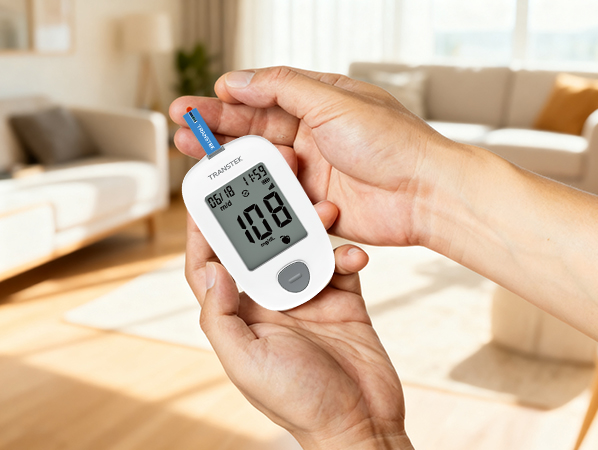
One of the biggest telehealth trends today is seamless integration between glucose monitoring devices and digital health systems. Connected Blood Glucose Monitors that sync with cloud platforms or telehealth interfaces let providers view longitudinal glucose patterns alongside other health data, such as activity levels or medication adherence. This delivers a holistic picture of a patient's health status without requiring frequent in-person visits.
For clinicians, this real-time access transforms diabetes management. Providers can receive alerts about out-of-range glucose levels, adjust therapies remotely, and deliver timely lifestyle or medication advice. This shortens the feedback loop between abnormal readings and clinical action. Telemonitoring models that combine glucose data with decision support and clinician feedback are associated with better glycemic outcomes, suggesting greater effectiveness than traditional care alone.
Telehealth is also bridging gaps in specialty care access — enabling endocrinologists and diabetes educators to consult with patients beyond traditional geographic boundaries. With the continued advancement of telehealth standards and data interoperability, connected glucose devices are becoming essential components of chronic disease management ecosystems.
Several technological trends are currently shaping the future of blood glucose monitoring within telehealth systems:
• Wearable and Continuous Glucose Monitoring (CGM)
CGM devices continually measure glucose levels, providing minute-by-minute trends that help both patients and clinicians understand glucose variability. Studies demonstrate that CGM combined with telemonitoring support can significantly improve glycemic control and patient satisfaction.
• AI and Predictive Analytics
When used as clinical decision support rather than autonomous diagnosis, the growing integration of machine learning and AI enables smart interpretation of glucose data — identifying patterns, predicting the risk of glucose excursions, and suggesting individualized care recommendations. These insights can be delivered through telehealth platforms for proactive management.
• Consumer Accessibility
Telehealth has driven broader accessibility of glucose monitoring tools. For instance, mainstream retail distribution of over-the-counter glucose monitors reflects consumer demand for health data access outside clinical settings, enabling earlier engagement and preventive care for those with prediabetes or Type 2 diabetes.
Together, these innovations are reinforcing telehealth's capacity to provide not only reactive care but proactive, personalized diabetes management.
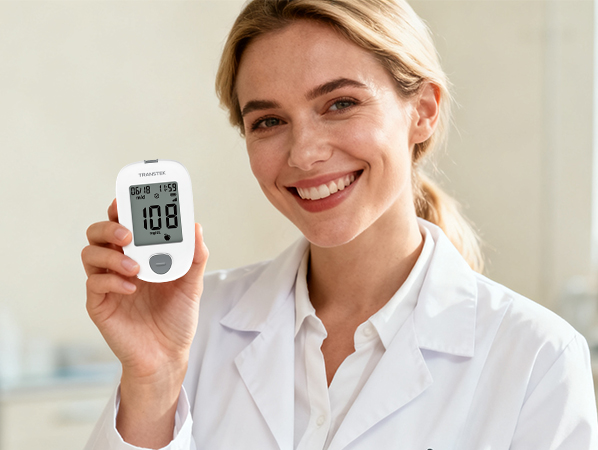
TeleRPM illustrates how telehealth platforms can integrate Blood Glucose Monitors into comprehensive diabetes care workflows. By linking home glucose readings with clinician dashboards, TeleRPM enables continuous patient monitoring, automated trend visualization, and actionable insights — all central to smarter diabetes care in the telehealth era.
Patients benefit from simplified, streamlined data sharing, while providers gain visibility into patient trends and potential risks between visits. Moreover, TeleRPM's support for standardized data formats and remote interventions helps enhance clinical efficiency and patient adherence.
As telehealth adoption continues to accelerate — driven by an aging population, increased prevalence of diabetes, and the growing evidence base for remote monitoring — so does the integration of connected glucose monitoring tools into care pathways. This synergy supports better outcomes, reduced complication rates, and a more patient-centric model of chronic disease management.
+86-0760-88282982