Remote Patient Monitoring (RPM) programs increasingly rely on connected health devices, blood pressure cuffs, weight scales, pulse oximeters, glucometers, to send patient data from home to care teams. But connectivity can be a weak link: Wi-Fi dropouts, smartphone pairing issues, Bluetooth range limitations all undermine data flow. That’s where TeleRPM AnyHub devices enter as a backbone solution. For devices to reliably transmit data, a central hub or gateway with built-in cellular capability can dramatically reduce friction, ensure data continuity, and support large-scale deployment.
A TeleRPM AnyHub serves as a bridge between home-based monitoring devices and the cloud platform used by care teams. While many RPM devices use Bluetooth, Wi-Fi, or smartphone apps to transmit data, a TeleRPM AnyHub combines device-pairing convenience with direct network connectivity. It typically connects via 4G to the internet and aggregates data from Bluetooth or other local devices, sending it securely to a central server.
Reduced patient burden: With a TeleRPM AnyHub, patients don’t need to pair each device with their phone, install apps, ensure Wi-Fi is active or manage connectivity updates. They simply use the device and data flows automatically.
Greater reliability: Especially in rural or underserved areas where Wi-Fi may be spotty, cellular ensures persistent connectivity. Healthcare systems using RPM cite connectivity failure as a top obstacle to program success.
Simplified device management: A hub enables one point of configuration and monitoring rather than managing many individual devices in different states of connectivity.
Scalability: For providers with hundreds or thousands of patients, TeleRPM AnyHubs reduce technical breakdowns and support predictable billing months.

Transtek’s AnyHub gateway stands out. TeleRPM AnyHub is the world’s first Hub designed for telehealth, connecting Bluetooth medical devices and transmitting data to the cloud via 4G. The device supports both Bluetooth device pairing and direct cellular upload, making it a hybrid hub that accommodates legacy Bluetooth sensors and fully integrated cellular workflows.
Pre-provisioned cellular connectivity: The AnyHub arrives ready-to-deploy, with built-in 4G capability and minimal setup.
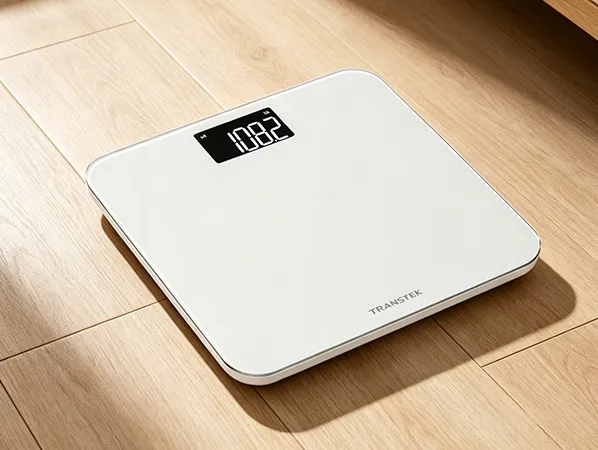
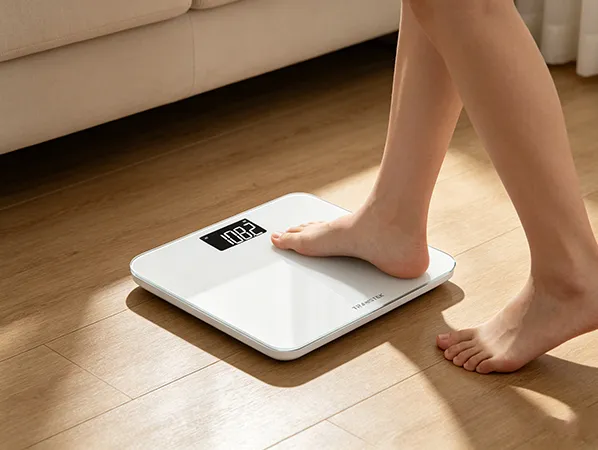
Multi-device support: The AnyHub gateway can pair with multiple Bluetooth devices, blood pressure monitors, scales, oximeters, and then transmit their data via cellular.
Simplicity in setup: The default Bluetooth devices are pre-paired and ready to use straight out of the box with AnyHub.
Indicator and user feedback: A smart LED indicator provides real-time feedback on status, and a one-button operation lets users sync or reset as needed.
Global readiness and roaming: It supports for 4G (LTE-Cat-M1) and global roaming network capabilities.

Chronic disease management at scale: For example, a hypertension program with 500 patients may deploy TeleRPM AnyHubs such that every morning patients use their monitors and data uploads automatically to the platform, enabling the care team to flag trends and intervene earlier.
Post-acute or hospital-at-home programs: Patients discharged with risk of readmission receive a TeleRPM AnyHub plus weight scale and oximeter. Because installation is simple and connectivity is managed, care teams catch early signs of deterioration.
Rural or assisted-living settings: Many homes lack reliable Wi-Fi or smartphones. Deploying a TeleRPM AnyHub removes the technology barrier and boosts data capture.
Device ecosystems with mixed connectivity: Some patients may already have Bluetooth monitors. Deploying an AnyHub lets those devices pair easily while new cellular-enabled sensors also connect, giving flexibility and protecting investment.
When healthcare systems reduce connectivity failures and support simpler rollout, adherence improves. That leads to more billable months and better data for clinical care. In effect, the gateway can enable the device ecosystem to function rather than the devices themselves always being blamed for drop-outs.

In any RPM program, reliable connectivity is the backbone of success. Even when patients diligently record their measurements, unreliable transmission can mean that data never reaches the care team, or arrives too late to make a clinical difference. This not only disrupts patient care but also jeopardizes billing compliance, as missing or delayed data can cause providers to fall short of thresholds like the 16-day rule for device supply reimbursement.
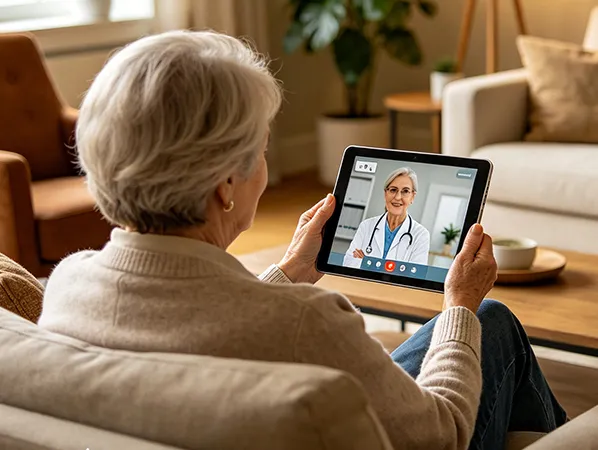
A dedicated TeleRPM AnyHub helps eliminate these barriers by ensuring uninterrupted, automated data transmission. Unlike Wi-Fi or app-based systems that depend on patient smartphones, a TeleRPM AnyHub functions independently, transmitting data directly to the cloud without requiring user intervention. This independence from home networks prevents interruptions caused by weak Wi-Fi, router resets, or software updates. It also reduces the cognitive and technical load on patients, which is especially critical for elderly or non-tech-savvy users.
A gateway consolidates multiple sensors into a single communication channel, allowing for streamlined data management and reduced points of failure. Modern gateways can even report their own connectivity status, battery health, and upload history. By centralizing connectivity, RPM programs gain consistency, efficiency, and the assurance that each patient’s data contributes meaningfully to their care plan. Ultimately, connectivity reliability transforms remote monitoring from a promising concept into a practical, scalable, and financially sustainable model for modern healthcare.
Connectivity and network support: Check that the gateway supports appropriate cellular bands and network types.
Ease of installation: Plug-and-play, minimal user setup, clear indicator feedback.
Device management and logistics: Can the hub be managed remotely, swapped easily, replaced if faulty? Ensure the provider offers device management tools.
Data security & compliance: The gateway must support encrypted transmission, authentication, and meet privacy standards.
Scale and cost model: Evaluate total cost versus expected revenue and adherence. Choose a gateway that will serve sufficiently large pools of patients without high failure rates.
Vendor ecosystem and support: Choose a vendor with an RPM portfolio (devices, cloud, data services) rather than a gateway alone.
In remote patient monitoring, devices alone don’t guarantee success—connectivity does. TeleRPM AnyHubs like Transtek’s TeleRPM AnyHub play a pivotal role in ensuring that home-based monitoring translates into actionable, reliable data for care teams. They reduce technical friction, support scalable deployment, and bolster program ROI. For providers building or expanding RPM programs, selecting the right gateway is as important as selecting the sensors themselves. A reliable gateway infrastructure supports current models and future-proofs your operations for emerging reimbursement, policy, and technology shifts.
A TeleRPM AnyHub automatically pairs with multiple RPM devices using Bluetooth or similar local connections. Once the readings are collected, it uploads the data through a secure cellular channel directly to the healthcare provider’s monitoring platform. This enables continuous, real-time tracking of vital signs even in environments without internet access.
TeleRPM AnyHubs are ideal for healthcare organizations that run large-scale RPM programs, particularly those serving patients with limited digital literacy or unreliable home Wi-Fi. They are also suitable for chronic care management, post-discharge monitoring, and long-term telehealth programs that rely on consistent data collection.
TeleRPM AnyHubs typically operate on 4G/LTE networks for broad coverage and reliability.
Yes. TeleRPM AnyHubs employ encrypted data transmission protocols that comply with healthcare privacy regulations such as the HIPAA Privacy Rule. This ensures that all patient information remains confidential and protected during transmission and storage.
Under CMS Remote Patient Monitoring (RPM) rules, providers must collect a minimum of 16 days of transmitted data per 30-day billing cycle to qualify for code 99454 reimbursement. TeleRPM AnyHubs improve adherence and data completion by automating transmission, helping providers meet these billing requirements consistently.
+86-0760-88282982