For many patients, hospital discharge marks the beginning of a critical recovery period rather than the end of their care journey. The first 30 days after discharge can be especially challenging for individuals recovering from pneumonia, COPD exacerbations, heart failure, cardiac events, surgery, or other respiratory conditions. During this transition from hospital to home, patients leave the structured clinical monitoring available in hospital settings while still facing potential physiological instability. Traditional follow-up methods that rely mainly on scheduled appointments and patient self-reporting may not always identify early signs of deterioration in time.
Blood oxygen saturation (SpO₂) is one of the key physiological indicators during recovery. Even small but sustained declines in SpO₂ levels may suggest worsening respiratory function, impaired gas exchange, fluid accumulation, or increased cardiovascular stress. The TeleRPM Cellular Pulse Oximeter helps close this monitoring gap by supporting ongoing remote monitoring through built-in cellular connectivity. Measurements are transmitted automatically to healthcare providers, helping support safer transitions and more consistent follow-up after discharge.
Hospital readmissions remain a significant challenge for healthcare providers worldwide. Among COPD patients alone, 30-day readmission rates commonly range from 11% to 26% depending on patient population and care setting, with many readmissions occurring within the first two weeks after discharge. Similar risks exist for patients recovering from heart failure or pneumonia.
Many post-discharge complications develop gradually. Elderly patients and individuals managing multiple chronic conditions may have difficulty recognizing subtle changes in symptoms or communicating them effectively. This creates an important window where objective physiological measurements may help support earlier clinical assessment and intervention before conditions worsen.
The TeleRPM Cellular Pulse Oximeter is designed for reliable use in real-world home environments.
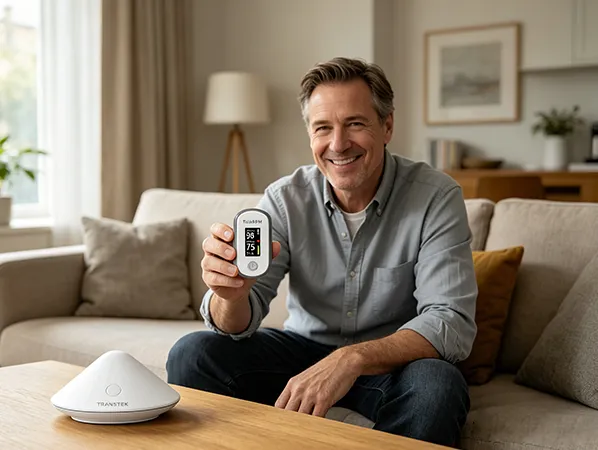
After each measurement, SpO₂ and pulse rate readings are transmitted automatically through the device’s integrated cellular module directly to the provider monitoring system. No smartphone, Bluetooth pairing, mobile app, home Wi-Fi connection, or complicated setup process is required.
This simplified connectivity design helps reduce common barriers associated with many remote patient monitoring programs. Elderly patients, individuals with limited internet access, and users with low digital familiarity can operate the device more comfortably. Patients simply place the oximeter on their finger, complete a quick measurement, and readings are transmitted automatically to their care team.
For healthcare providers, this streamlined workflow also supports easier program deployment. Devices can be shipped directly to patients’ homes and activated quickly, reducing onboarding complexity and minimizing the need for technical support.
With access to consistent SpO₂ measurement trends, clinicians may identify potential deterioration earlier and respond before symptoms become more severe. A gradual decline in oxygen saturation over several days may prompt medication adjustments, supplemental oxygen evaluation, lifestyle guidance, or earlier outpatient follow-up.
Remote patient monitoring programs that include pulse oximetry have shown potential to support reductions in avoidable hospital readmissions and emergency visits by enabling earlier recognition of physiological changes. This approach also aligns with broader healthcare goals focused on improving patient outcomes while supporting more efficient resource utilization in value-based care environments.
Beyond post-discharge recovery, the cellular pulse oximeter may also support patients managing chronic respiratory conditions that require regular oversight. Long-term measurement trends can help care teams evaluate treatment response, identify recurring patterns, and support more individualized long-term management strategies.
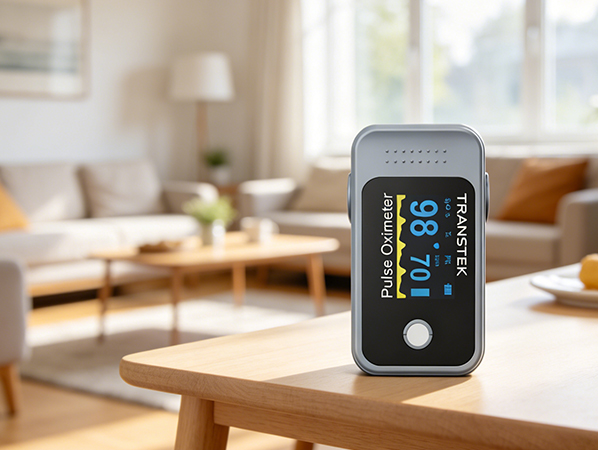
The TeleRPM Cellular Pulse Oximeter features a compact fingertip design that supports comfortable daily use. Its clear display provides large, easy-to-read readings that help patients become more comfortable with routine self-monitoring without adding unnecessary complexity.
Fast measurement times and stable sensor performance further support ease of use, particularly for elderly individuals and patients managing multiple chronic conditions. Simple operation can play an important role in encouraging long-term adherence within remote monitoring programs.
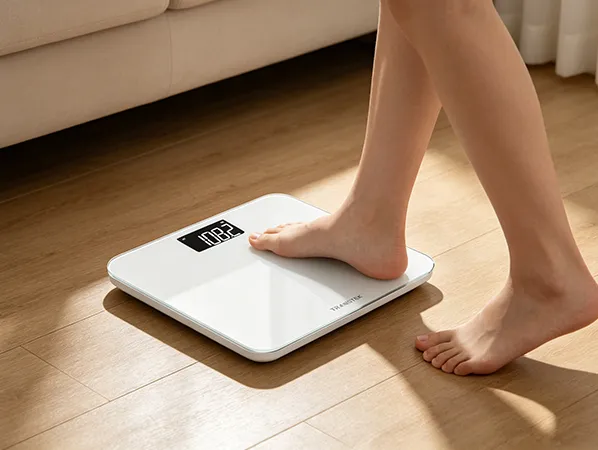
While effective as a standalone device, the TeleRPM Cellular Pulse Oximeter also integrates smoothly into broader remote patient monitoring programs. It complements other connected devices such as blood pressure monitors, weight scales, and glucose meters, helping clinicians build a broader view of patient status across multiple vital signs.
For example, declining SpO₂ readings combined with rapid weight gain may indicate worsening heart failure, while oxygen fluctuations alongside elevated blood pressure may suggest broader cardiopulmonary stress. Monitoring multiple physiological indicators together can help support more informed clinical decision-making and individualized care planning.
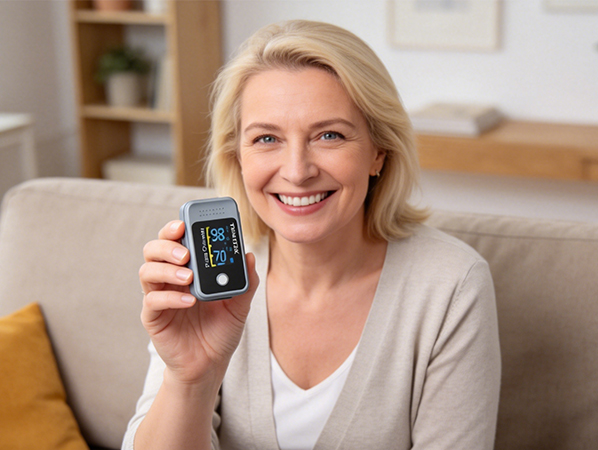
By extending monitoring capabilities into the home environment, the TeleRPM Cellular Pulse Oximeter helps strengthen care continuity during vulnerable recovery periods after discharge. Its integrated cellular connectivity supports reliable transmission of patient measurements without requiring additional home technology infrastructure, helping make remote monitoring more accessible to broader patient populations.
As healthcare providers continue expanding hospital-to-home and value-based care models, cellular-connected pulse oximeters may play an increasingly important role in supporting earlier intervention, improving follow-up efficiency, and reducing avoidable readmissions. For hospitals, clinics, and healthcare providers focused on post-discharge management, the TeleRPM Cellular Pulse Oximeter offers a practical and patient-friendly solution for ongoing respiratory monitoring outside traditional clinical settings.
Reference:
[1] https://www.resmedjournal.com/article/S0954-6111(22)00355-9/fulltext
[2] https://www.kangaroohealth.com/blog/benefits-of-remote-patient-monitoring
+86-0760-88282982