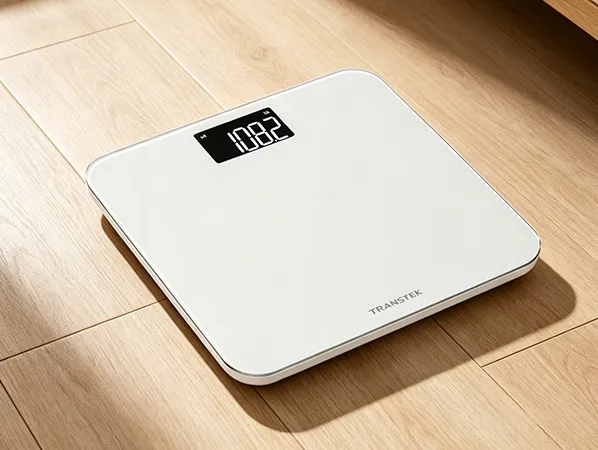
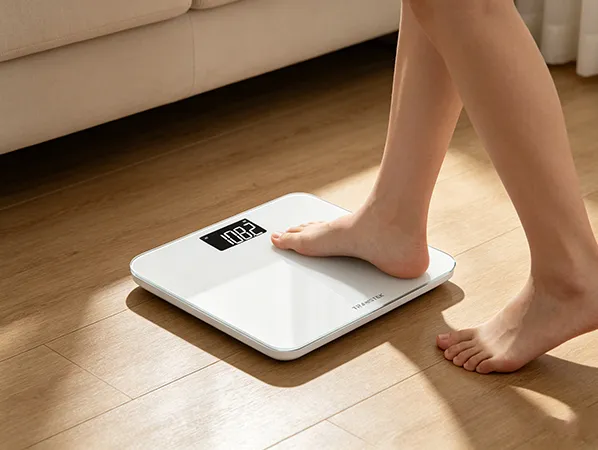
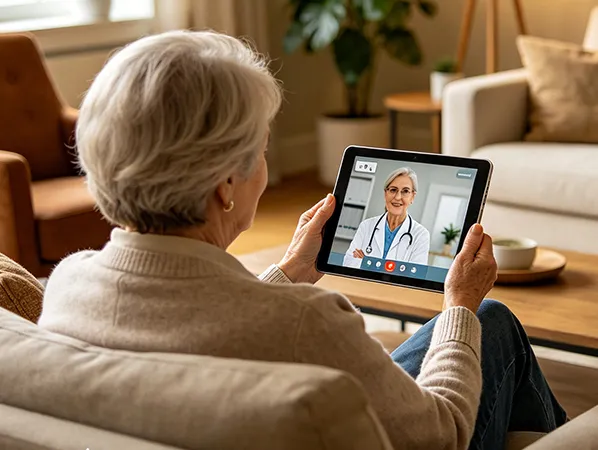
Remote Patient Monitoring (RPM) has become an important strategy for managing chronic conditions outside traditional care settings. By enabling patients to take measurements from home and share them with care teams, RPM programs can support earlier interventions, improve patient engagement, and help healthcare providers deliver more proactive care.
However, successful RPM programs depend on more than clinical-grade devices and monitoring platforms. Patient participation must remain consistent over time. When monitoring technology becomes difficult to use, adherence often declines, creating challenges for both patients and healthcare providers.
For many Bluetooth-based RPM programs, connectivity complexity remains one of the most common barriers to long-term success.
Bluetooth-enabled monitoring devices offer flexibility and convenience, but they often require additional setup steps before measurements can be shared with healthcare providers.
Patients may need to download applications, pair devices with smartphones, manage Bluetooth connections, configure Wi-Fi settings, or troubleshoot connectivity issues. While these steps may seem straightforward for some users, they can create significant barriers for others.
This challenge is particularly common among:
Older adults
Patients managing multiple chronic conditions
Individuals with limited technology experience
Patients living independently
Rural populations with limited internet access
For these groups, every additional setup step can reduce participation and increase the likelihood of missed measurements.
Technology challenges affect more than patients alone. They can also create additional workload for healthcare providers operating RPM programs.
Care coordinators often spend valuable time helping patients reconnect devices, resolve pairing issues, reinstall applications, or troubleshoot connectivity problems. As RPM programs grow, these support requirements can increase significantly.
Instead of focusing on patient engagement and care management, staff members may find themselves handling technology-related questions and device setup requests.
Reducing connectivity complexity can therefore benefit both patients and healthcare organizations.
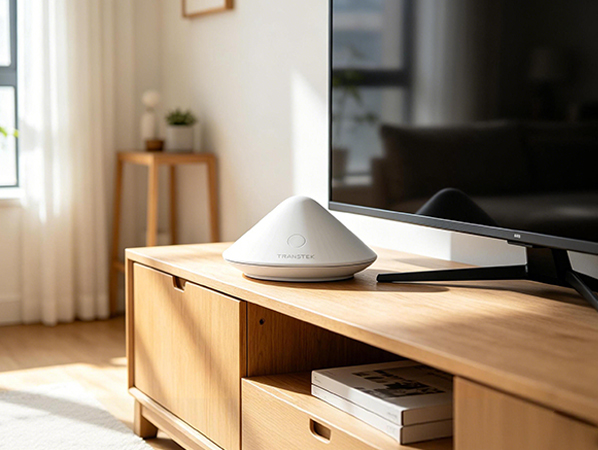
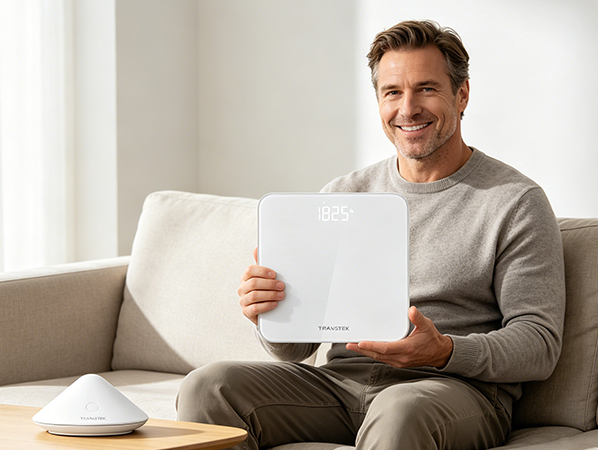
TeleRPM AnyHub is a cellular gateway designed to simplify connectivity for Bluetooth RPM devices.
Rather than requiring patients to connect monitoring devices through personal smartphones or home Wi-Fi networks, AnyHub automatically receives measurements from compatible Bluetooth devices and transfers them through built-in cellular connectivity.
This approach helps reduce setup requirements while providing a more streamlined monitoring experience for patients.
Once installed, AnyHub works in the background, allowing patients to focus on taking measurements rather than managing technology.
TeleRPM AnyHub supports a wide range of Bluetooth RPM devices, making it well suited for comprehensive remote monitoring programs.
Compatible device categories include:
Blood glucose meters
Pulse oximeters
Instead of maintaining separate connectivity workflows for different devices, healthcare providers can use a single gateway to support multiple monitoring applications.
This simplified approach can help improve operational efficiency while creating a more consistent experience for patients enrolled in RPM programs.
Patient adherence remains one of the most important factors influencing RPM program performance. The easier a monitoring solution is to use, the more likely patients are to remain engaged over time.
When connectivity barriers are reduced, patients can complete measurements with fewer interruptions. Consistent participation helps healthcare providers receive a more complete measurement history, identify changes earlier, and support more timely interventions when needed.
As RPM adoption continues to expand, healthcare organizations are increasingly recognizing that successful monitoring programs require technology that fits naturally into patients' daily lives.
TeleRPM AnyHub helps address this challenge by simplifying Bluetooth device connectivity, reducing technology-related barriers, and supporting a more seamless RPM experience for both patients and healthcare providers.
Ultimately, RPM success is not determined by how complex the technology is. It is determined by how easily patients can use it. By prioritizing simplicity, healthcare organizations can improve patient adherence, reduce support burdens, and maximize the value of their RPM programs.
+86-0760-88282982