Hypertension is one of the most common chronic conditions worldwide, yet it often develops without obvious symptoms. Many patients may not realize their blood pressure remains above a healthy range until complications arise. For healthcare providers, this creates an ongoing challenge: understanding a patient's blood pressure outside the clinic and supporting timely follow-up when long-term patterns begin to change.
A single clinic reading cannot fully reflect daily routines, stress levels, sleep quality, physical activity, or blood pressure fluctuations at home. This is why home blood pressure monitoring has become an important part of hypertension management and remote patient monitoring (RPM).
4G blood pressure monitor helps bridge the gap between home measurement and provider review. Unlike traditional home monitors that rely on manual logs, or Bluetooth devices that require a paired smartphone or gateway, a 4G blood pressure monitor automatically transmits blood pressure readings through built-in cellular connectivity after each measurement. This simplifies home monitoring, reduces setup barriers, and supports more consistent long-term follow-up.
For seniors, patients living with chronic conditions, and healthcare providers managing large patient populations, cellular connectivity makes remote blood pressure monitoring easier to deploy. Without depending on paper records, patient memory, smartphone apps, or home Wi-Fi, providers can review home blood pressure trends more consistently and identify patients who may require follow-up.
Blood pressure changes throughout the day. Physical activity, emotional stress, caffeine intake, sleep quality, pain, body position, and improper measurement technique can all influence results. Because of these daily variations, occasional readings may not accurately represent a patient's overall blood pressure status.
Manual logs can provide useful information, but they also introduce practical challenges. Patients may forget to record readings, write down incorrect values, skip measurements when they feel well, or only report the readings they remember. These missing readings can make it more difficult for healthcare providers to understand long-term blood pressure patterns.
A home blood pressure monitor encourages regular measurement in a familiar environment. When equipped with built-in cellular connectivity, the device automatically transmits each reading after measurement, allowing providers to review measurement history, timestamps, and long-term blood pressure trends without relying solely on patient self-reporting.
A 4G blood pressure monitor is designed to do more than display readings on the screen. It helps transform routine home measurements into a continuous monitoring workflow that supports remote hypertension management.
A typical workflow includes:
The patient measures blood pressure at home using the monitor.
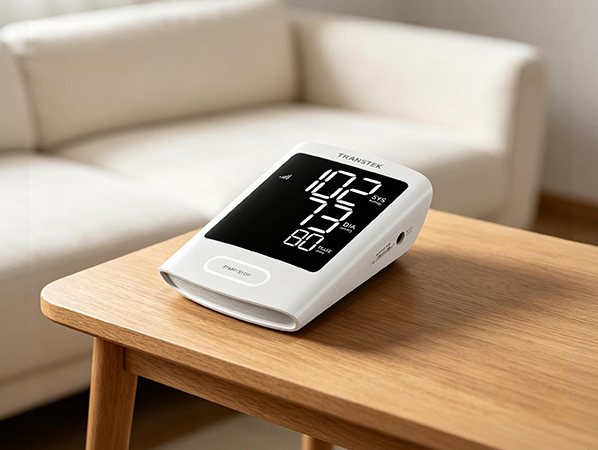
The device records systolic pressure, diastolic pressure, and pulse rate.
Built-in cellular connectivity automatically transmits the readings after measurement.
Healthcare providers review patient readings through the RPM platform or device management system.
Care teams identify blood pressure trends and follow up when appropriate.
This workflow is particularly valuable for older adults and patients who may not want to download apps, pair devices, create accounts, or troubleshoot home Wi-Fi. A cellular blood pressure monitor keeps the process simple: take the measurement, complete the reading, and let the device transmit the results automatically.
For healthcare providers, this can reduce setup complexity, minimize missing readings, and support more consistent monitoring across large RPM programs.
Different monitoring methods suit different care scenarios. For long-term home hypertension monitoring, ease of use and reliable connectivity are often key considerations.
Monitoring Type | Reading Transmission | Patient Setup | Best Fit |
Traditional blood pressure monitor | Manual recording or self-reporting | Patients manually record or report readings | Basic home use and occasional spot checks |
Bluetooth blood pressure monitor | Bluetooth connection to a paired smartphone or gateway | Requires pairing and a nearby connected device | Multi-device RPM programs using a gateway |
4G blood pressure monitor | Built-in cellular connectivity with automatic transmission | No smartphone, Wi-Fi, or pairing required in typical use | Large-scale RPM deployment and senior home monitoring |
For healthcare providers managing large patient populations, built-in cellular connectivity helps simplify onboarding, reduce patient-side technical barriers, and support uninterrupted remote monitoring.
An effective 4G blood pressure monitor should support both patient usability and provider efficiency. Important features include:
Built-in cellular connectivity with an integrated SIM card
Automatic transmission after each measurement
No smartphone, app, Wi-Fi, or manual pairing required in typical use
One-button operation for simple daily use
Large, easy-to-read display
Multiple cuff size options for diverse patient populations
Reliable measurement performance
API integration with RPM platforms
Scalable deployment for remote care programs
Transtek BPM Gen 2 Plus is designed specifically for RPM applications. It features an integrated SIM card for cellular connectivity, one-button operation, a large display, multiple cuff sizes ranging from 16 cm to 52 cm, and API support for integration with RPM platforms.
Together, these features simplify the patient experience while helping healthcare providers standardize device deployment and long-term blood pressure monitoring.
Remote blood pressure monitoring only delivers value when measurements are reliable. Even a connected device cannot compensate for poor measurement technique, an incorrect cuff size, or inconsistent patient use.
Patients should use an automatic upper-arm blood pressure monitor, place the cuff directly on bare skin, keep the arm supported at heart level, and remain still during measurement. Small differences in posture, cuff placement, or movement may affect measurement accuracy.
Proper cuff selection is equally important. A cuff that is too small or too large can influence blood pressure readings. For healthcare providers serving diverse patient populations, multiple cuff size options, simple operation, and dependable measurement performance all contribute to better long-term monitoring and stronger patient adherence.
Healthcare providers rarely rely on a single reading. An isolated high result may be related to stress, recent activity, poor sleep, caffeine intake, or incorrect measurement technique. Long-term patterns are usually more meaningful.
Remote blood pressure monitoring can help providers observe recurring morning or evening blood pressure changes, repeated readings above an individual's target range, changes in routine measurement patterns, possible white-coat or masked hypertension, inconsistent measurement habits, missing readings, or pulse changes that may require further clinical evaluation.
RPM devices do not diagnose or treat hypertension independently. Clinical decisions always depend on healthcare professionals, patient history, symptoms, medications, and comprehensive clinical assessment. However, more complete home blood pressure records can support earlier follow-up and more informed clinical discussions.
For example, if evening blood pressure readings continue to rise over several days, healthcare providers may review lifestyle factors, medication adherence, measurement habits, or determine whether additional evaluation is appropriate.
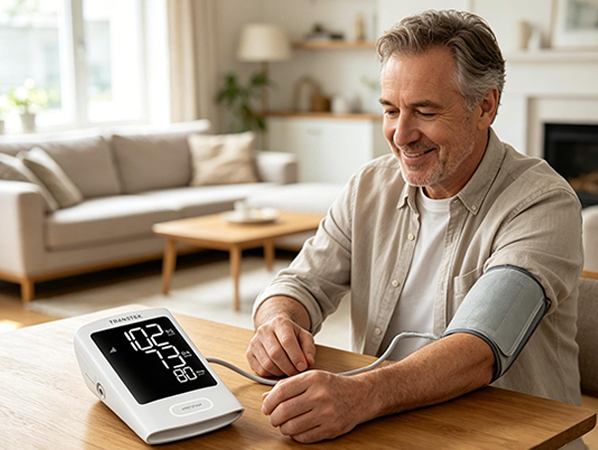
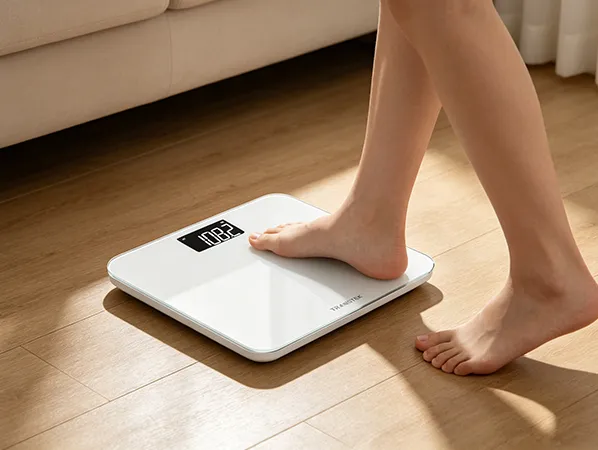
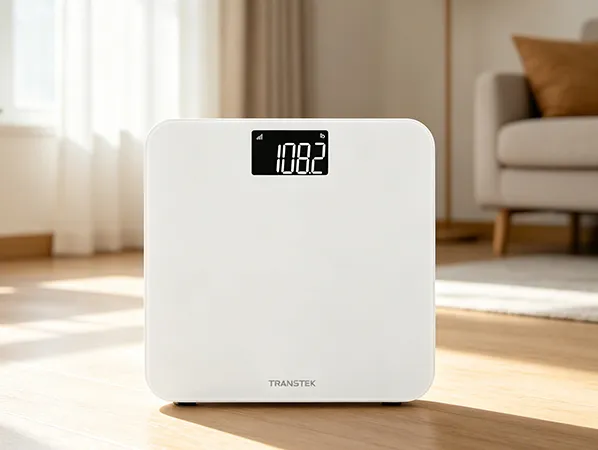
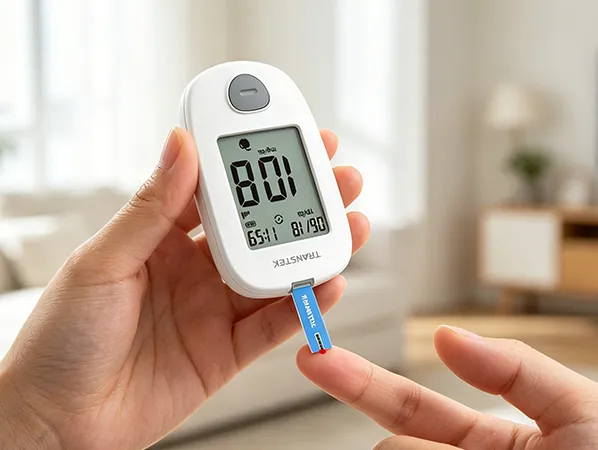
A 4G blood pressure monitor supports a wide range of RPM applications. For patients with hypertension, it enables regular home measurement and long-term trend review. For older adults, built-in cellular connectivity removes the need for smartphones, home Wi-Fi, or manual pairing. For patients managing multiple chronic conditions, blood pressure monitoring can also complement other connected devices such as blood glucose monitors, pulse oximeters, and weight scales.
For healthcare providers, the value lies in operational simplicity. When patient onboarding requires repeated pairing, app installation, or Wi-Fi configuration, RPM programs become more difficult to scale. A 4G blood pressure monitor helps standardize deployment, simplify patient setup, and support efficient remote monitoring workflows.
In RPM programs, blood pressure monitor becomes an important tool for long-term hypertension monitoring, helping healthcare providers review blood pressure trends, reduce reliance on manual logs, and support timely clinical follow-up.
Transtek BPM Gen 2 Plus combines accurate measurement, built-in cellular connectivity, one-button operation, multiple cuff size options, and API integration to support scalable remote blood pressure monitoring. Designed for healthcare providers to help simplify patient onboarding while enabling more efficient long-term hypertension management.
+86-0760-88282982