Home blood pressure monitoring has become an important part of modern chronic disease management. For patients with hypertension, cardiovascular disease, diabetes, kidney disease, or temporary stress-related blood pressure fluctuations, regular monitoring helps healthcare providers observe long-term blood pressure trends outside traditional clinical settings. Compared with occasional office visits, home monitoring offers a broader view of how blood pressure changes during daily life. However, many people unknowingly make mistakes during home measurement that may affect reading consistency. Even high-quality blood pressure monitors can produce inaccurate readings when measurements are performed incorrectly or inconsistently.
As connected healthcare technologies continue to evolve, devices such as the TeleRPM BPM Gen 2 Plus are helping reduce common home monitoring issues by simplifying the measurement process, improving consistency, and automatically transmitting readings for remote monitoring support.
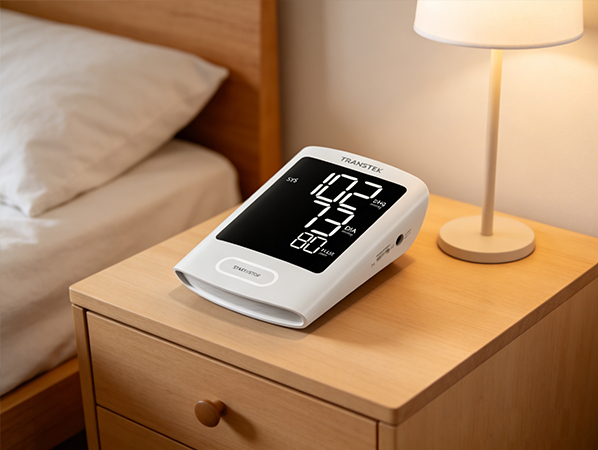
Blood pressure naturally changes throughout the day based on stress, physical activity, meals, sleep quality, caffeine intake, and medication schedules. A reading taken immediately after climbing stairs or drinking coffee may differ significantly from one taken during a relaxed resting period.
Without consistent measurement timing, it becomes more difficult to identify meaningful long-term trends. Healthcare providers often evaluate blood pressure patterns over time rather than relying on isolated readings when assessing cardiovascular risk or treatment effectiveness.
4G blood pressure monitors help support more consistent monitoring habits. Devices integrated into RPM programs may support scheduled reminders and automatic reading transmission, helping patients establish regular daily measurement routines. The TeleRPM BPM Gen 2 Plus simplifies this process with one-button operation and automatic reading transmission through built-in 4G connectivity. Because readings are transmitted automatically after each measurement, patients are less likely to skip recordings or forget to document results manually.
Improper cuff size is another common cause of inaccurate blood pressure readings. A cuff that is too small may produce falsely elevated readings, while a cuff that is too large may lead to falsely low readings. Many home users are unaware that cuff size plays a major role in measurement accuracy. This issue becomes especially important for patients with larger arm circumferences, children, pregnant women, or individuals experiencing diabetes-related swelling.
The TeleRPM BPM Gen 2 Plus addresses this challenge by offering multiple cuff size options ranging from approximately 16 cm to 52 cm. This wider cuff size support helps improve measurement consistency across diverse patient populations and supports more reliable long-term monitoring.
Comfort also plays an important role in home monitoring. A properly fitted cuff not only supports more consistent readings but may also encourage patients to measure blood pressure more regularly.
Body posture can significantly affect blood pressure measurement accuracy. Crossing legs, unsupported arms, talking during measurement, or sitting incorrectly may all influence readings. Even arm positioning relative to heart level can affect measurement consistency.
Many patients take measurements without following proper measurement procedures while multitasking, watching television, or moving around the house. These habits may reduce consistency and create incomplete or unreliable measurement records.
4G RPM devices help improve awareness of proper measurement habits by supporting more structured monitoring routines. Over time, patients may become more familiar with proper techniques through regular use and ongoing support from care teams reviewing transmitted readings.
Incomplete or inconsistent records can make it more difficult for healthcare providers to evaluate long-term blood pressure trends accurately. In some cases, missing readings may delay treatment adjustments or make changes in blood pressure patterns harder to identify.
The 4G blood pressure monitor helps reduce this issue through automatic reading transmission. Instead of relying on patients to record measurements manually, readings are transmitted directly to devices management platform immediately after use.
The TeleRPM BPM Gen 2 Plus uses integrated cellular connectivity, eliminating the need for smartphones, Bluetooth pairing, or Wi-Fi setup. This automated process helps reduce missing or incomplete records while lowering technical barriers that may affect elderly patients or individuals unfamiliar with mobile technology. For healthcare providers, automatic transmission may also support more consistent remote patient monitoring by reducing gaps in measurement history.
Many home users focus too heavily on individual readings rather than long-term patterns. A temporary increase caused by stress or fatigue may not represent an ongoing issue, while gradual upward trends over several weeks may go unnoticed without consistent monitoring.
Modern hypertension management increasingly emphasizes long-term monitoring rather than isolated measurements. Consistent long-term measurement records provide more meaningful clinical insight than occasional spot checks. 4G RPM systems help organize readings over time and support remote monitoring workflows, allowing healthcare providers to review changes more consistently. This may help providers recognize changes in blood pressure patterns before they become more difficult to manage.
The TeleRPM BPM Gen 2 Plus supports continuous remote monitoring through automatic reading transmission, helping healthcare teams observe trends that may otherwise remain unnoticed between office visits.
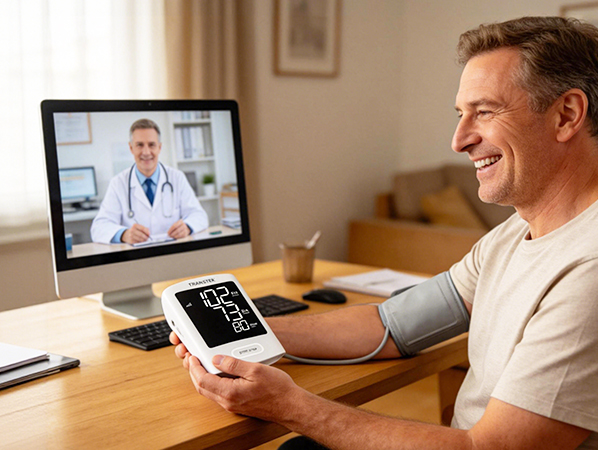
As healthcare continues shifting toward home-based and preventive care models, the quality and consistency of home blood pressure monitoring are becoming increasingly important. Effective monitoring depends not only on measurement accuracy, but also on consistent measurement habits, ease of use, and reliable long-term record keeping.
4G RPM blood pressure monitors are helping address many of the common challenges associated with traditional home measurement. By simplifying operation, reducing manual recording steps, supporting broader cuff compatibility, and enabling automatic reading transmission, these devices may help improve patient adherence and support more consistent remote monitoring workflows for healthcare providers.
+86-0760-88282982