Pregnancy brings major physical and hormonal changes to the body, and blood pressure is one of the most important health indicators affected during this period. While some variation in blood pressure is considered normal during pregnancy, persistent or significant fluctuations may indicate potential health risks for both the mother and baby. Monitoring these changes carefully is essential for early detection of complications such as gestational hypertension and preeclampsia.
In recent years, growing awareness around maternal health and the expansion of remote patient monitoring (RPM) technologies have transformed how blood pressure is managed during pregnancy. Instead of relying solely on occasional clinic visits, many healthcare providers now encourage regular at-home monitoring using clinically validated digital blood pressure monitors. This approach allows for earlier intervention, improved patient participation in blood pressure monitoring, and more consistent blood pressure follow-up throughout pregnancy. Understanding why blood pressure fluctuates during pregnancy, when changes become concerning, and how monitoring technologies can improve maternal care is increasingly important for healthcare providers and expecting mothers alike.
Blood pressure naturally changes throughout pregnancy as the cardiovascular system adapts to support the developing fetus. Hormonal fluctuations, increased blood volume, and changes in blood vessel elasticity all influence how blood pressure behaves during different trimesters.
During the first and second trimesters, blood pressure often decreases slightly. This happens because pregnancy hormones cause blood vessels to relax and widen, reducing vascular resistance. Many women experience their lowest blood pressure readings around mid-pregnancy. As pregnancy progresses into the third trimester, blood pressure gradually rises again as the cardiovascular system works harder to circulate increased blood volume. In healthy pregnancies, these changes typically remain within a expected physiological range. However, excessive fluctuations or persistently elevated readings may indicate complications requiring medical attention.
Several factors can contribute to blood pressure fluctuations during pregnancy, including:
Hormonal changes
Stress and anxiety
Weight gain and fluid retention
Reduced physical activity
Preexisting hypertension
Gestational hypertension
Poor sleep quality
Diabetes or kidney disease
According to research published in the National Center for Biotechnology Information (NCBI), abnormal blood pressure patterns during pregnancy are associated with increased maternal and cardiovascular risks later in life. Studies from USC Keck School of Medicine also suggest that certain blood pressure patterns during pregnancy may predict long-term hypertension risk after delivery.
Because blood pressure can change rapidly during pregnancy, regular blood pressure monitoring plays an important role.
Understanding the difference between normal and abnormal blood pressure readings is critical during pregnancy. In general, a normal blood pressure reading is considered below 120/80 mmHg. Mild fluctuations throughout pregnancy are common, but persistent elevations should be evaluated by healthcare providers.
Healthy pregnancies often show: Slight blood pressure decreases during early pregnancy; Stable readings during mid-pregnancy; Mild increases near delivery. These gradual changes are usually part of the body’s natural adaptation process.
Gestational hypertension occurs when blood pressure rises above 140/90 mmHg after 20 weeks of pregnancy without signs of organ damage or protein in the urine. Gestational hypertension affects a significant number of pregnancies and can increase the risk of complications if left unmanaged. Symptoms may include persistent headaches, swelling in hands or face, vision changes and sudden weight gain. While some women experience only mild elevations, others may progress to more severe hypertensive disorders.
Preeclampsia is a more serious condition involving high blood pressure combined with signs of organ dysfunction, often affecting the liver or kidneys. It can develop suddenly and may threaten both maternal and fetal health.
Warning signs include severe headaches, blurred vision, upper abdominal pain and shortness of breath. Early detection is critical because untreated preeclampsia can lead to seizures, stroke, premature birth, or placental complications.
Some women enter pregnancy with preexisting hypertension. Chronic hypertension increases the likelihood of complications such as preeclampsia, placental abruption, and fetal growth restriction. For these patients, frequent blood pressure tracking throughout pregnancy is especially important.
Hypertension during pregnancy may affect both short-term pregnancy outcomes and long-term cardiovascular health. Poorly controlled blood pressure may increase short-term and long-term health risks for both mother and baby.
Uncontrolled hypertension can increase the likelihood of:
Stroke
Heart complications
Kidney damage
Preeclampsia
Emergency cesarean delivery
Women who experience hypertensive disorders during pregnancy may also face a greater lifetime risk of cardiovascular disease and chronic hypertension later in life.
High blood pressure may reduce blood flow to the placenta, limiting oxygen and nutrient delivery to the baby. This can lead to:
Low birth weight
Preterm birth
Fetal growth restriction
Placental abruption
Emerging research suggests that pregnancy-related hypertension may serve as an early warning sign for future cardiovascular disease. Blood pressure trends during pregnancy are increasingly viewed as important indicators of long-term heart health. This growing understanding has led healthcare providers to prioritize more proactive blood pressure monitoring throughout pregnancy rather than relying solely on occasional office visits.
Home blood pressure monitoring has become an increasingly important component of prenatal care, particularly for women at elevated risk of hypertension.
Detect abnormal trends earlier
Reduce unnecessary clinic visits
Improve communication with providers
Support remote maternal care programs
Support patient participation in home monitoring
However, accurate monitoring depends heavily on using the right device and following proper measurement techniques.
Sit quietly for 5 minutes before testing
Keep feet flat on the floor
Position the cuff at heart level
Avoid caffeine or exercise before measurement
Take readings at the same time each day
Recording multiple readings over time provides a more accurate picture than isolated measurements.
Not all home blood pressure monitors provide the same level of clinical accuracy. During pregnancy, selecting a medically validated monitor is especially important because even small inaccuracies may affect care decisions. Transtek Medical’s RPM blood pressure monitors are designed for clinical-grade remote monitoring and long-term home use. These devices combine FDA-cleared technology, stable pressure sensing technology and large, easy-to-read displays with wireless and cellular-connected RPM support.
The Transtek RPM blood pressure monitoring system also supports automatic transmission of readings, allowing readings to be shared with healthcare providers remotely. This is particularly valuable for high-risk pregnancies requiring closer supervision. Unlike traditional manual logging methods, RPM monitoring reduces the risk of missed readings and supports more consistent long-term blood pressure tracking.
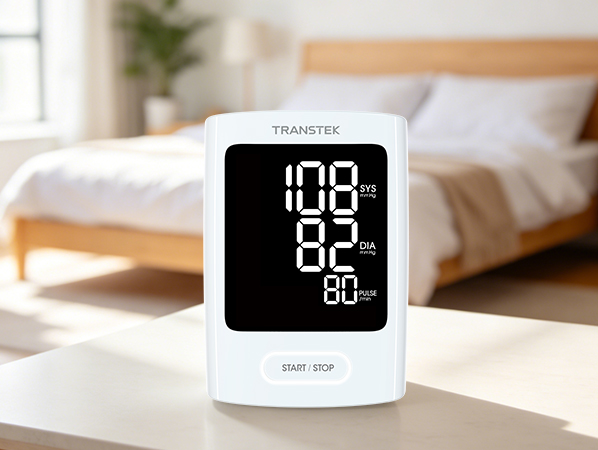
Remote patient monitoring is increasingly used in maternal care because it allows providers to review blood pressure trends more consistently between appointments. As healthcare systems continue shifting toward preventive and home-based care, RPM technology is expected to play a larger role in prenatal monitoring and maternal health management.
RPM programs offer several advantages:
Earlier identification of hypertensive changes
Earlier clinical follow-up when needed
Reduced hospital visits
Better support for long-term home monitoring participation
Better management of high-risk pregnancies
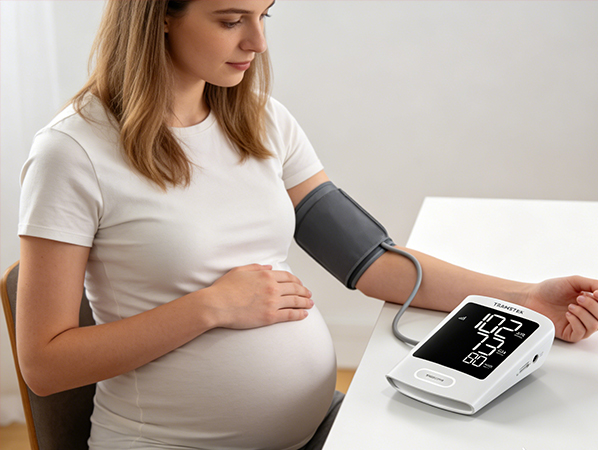
Blood pressure fluctuations during pregnancy are common, but significant or persistent changes should never be overlooked. From natural hormonal adjustments to serious hypertensive disorders such as gestational hypertension and preeclampsia, careful monitoring plays a vital role in protecting both maternal and fetal health. As prenatal care evolves, remote patient monitoring and clinically validated home blood pressure devices are helping bridge the gap between clinic visits and daily health management. Regular home monitoring may support earlier identification of abnormal blood pressure trends of abnormal trends, supports proactive intervention, and improves long-term cardiovascular awareness for mothers.
With advanced RPM solution such as Transtek’s remote blood pressure monitoring devices, healthcare providers can deliver more connected, more connected maternal blood pressure monitoring while helping patients monitor their blood pressure more confidently to monitor their health more confidently from home.
+86-0760-88282982