Blood oxygen saturation (SpO₂) is a vital indicator of both respiratory and cardiovascular health. For patients with chronic respiratory diseases, heart conditions, or those recovering from acute illnesses, regular monitoring of oxygen levels can provide early warning signs of deterioration. Detecting subtle changes in SpO₂ before they become clinically significant allows for timely intervention, potentially preventing complications, hospitalizations, and more severe health outcomes.
The TeleRPM Bluetooth Pulse Oximeter brings accurate, connected oxygen monitoring directly into the home environment. By combining medical-grade measurement accuracy with the convenience of Bluetooth connectivity, it empowers patients and clinicians alike to maintain continuous oversight of respiratory health.
Oxygen saturation levels reflect how effectively oxygen is delivered throughout the body’s tissues. Low or dropping SpO₂ readings may indicate underlying issues such as respiratory infections, airway obstruction, pulmonary disease progression, or exacerbation of chronic conditions like COPD, asthma, or heart failure. Even minor fluctuations in SpO₂ can serve as early indicators of health deterioration.
Traditionally, monitoring of oxygen levels occurred primarily in hospitals, clinics, or during home visits from healthcare providers. This model limits the opportunity for early detection, often delaying intervention until symptoms are severe. With the TeleRPM Bluetooth Pulse Oximeter, patients can monitor their oxygen levels regularly at home. The device creates a continuous stream of clinically relevant data, allowing healthcare providers to identify trends, detect early warning signs, and make timely adjustments to care plans.
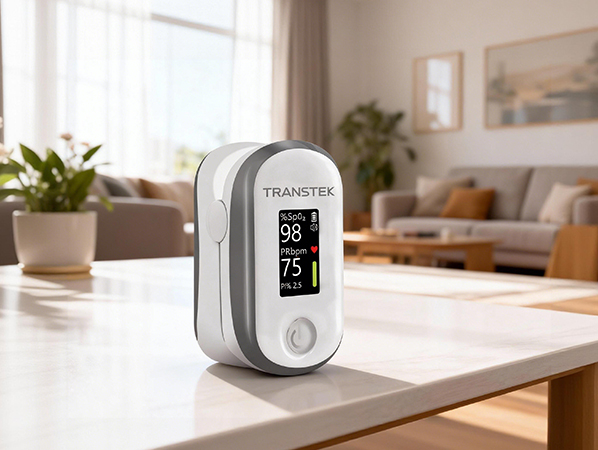
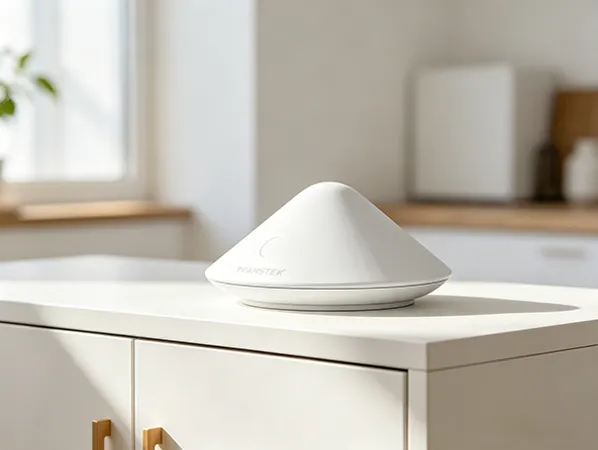
The Bluetooth-enabled pulse oximeter transmits SpO2 and pulse rate data to a dedicated Bluetooth hub, which then securely forwards the data to the RPM platform for clinician review.
This architecture is well suited for structured care programs where patients are monitored at home using a predefined device setup. Compared with direct cellular devices, Bluetooth pulse oximeters paired with hubs allow providers to standardize data transmission, consolidate multiple Bluetooth peripherals through a single gateway, and reduce per-device connectivity costs at scale.
Within the same RPM program, providers can deploy cellular devices for patients who require maximum simplicity or live in areas with limited broadband access, while assigning hub-based Bluetooth devices to patients who are comfortable with a home monitoring setup. This hybrid model enables consistent clinical oversight while aligning device selection with patient capability, program design, and operational efficiency.
Frequent, reliable measurement is essential for effective SpO₂ monitoring. The TeleRPM Bluetooth Pulse Oximeter is designed for daily, repeated use, providing rapid readings of oxygen saturation and pulse rate. Its ergonomic fingertip design ensures comfort during use, while advanced sensor technology minimizes motion artifacts and measurement errors.
This combination of comfort and accuracy is particularly important for patients who may need to check their oxygen levels multiple times per day or for extended periods. Consistent measurement encourages patient adherence, ensures complete datasets, and provides healthcare providers with a comprehensive view of the patient’s respiratory status over time.
Regular access to personal SpO₂ data helps patients better understand their health condition. By visualizing daily oxygen trends, patients can recognize early symptoms of deterioration, such as shortness of breath or fatigue, even before they become noticeable in daily life.
This awareness promotes proactive behavior, encouraging patients to follow treatment plans, adhere to medication schedules, and communicate promptly with care teams when changes are detected. The TeleRPM Bluetooth Oximeter thus not only supports remote clinical monitoring but also empowers patients to take an active role in managing their respiratory health.
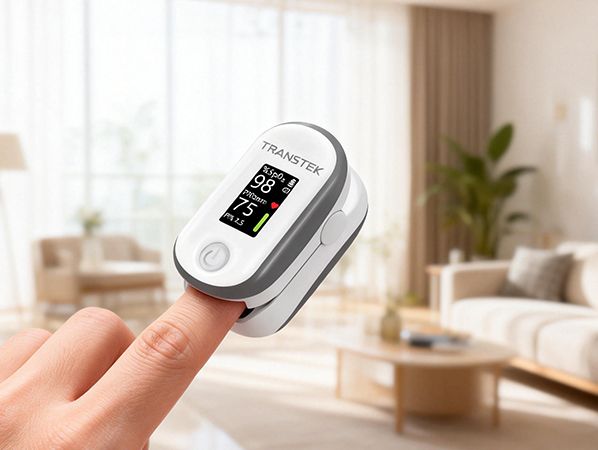
When integrated into remote patient monitoring programs, Bluetooth pulse oximeters become a vital part of connected care ecosystems. Continuous SpO₂ monitoring supports early clinical intervention, reducing the need for unnecessary office visits, emergency room trips, or hospital readmissions.
For clinicians, the device provides reliable, actionable data that can be used to track recovery progress, evaluate treatment efficacy, and make timely adjustments to care plans. For patients, it offers reassurance, convenience, and increased engagement in their own health management.
The TeleRPM Bluetooth Pulse Oximeter exemplifies the potential of connected devices in enhancing home-based respiratory care. By combining accuracy, comfort, and flexible connectivity, it helps patients maintain optimal health while giving providers the tools to deliver timely, personalized care, ultimately improving both patient outcomes and healthcare efficiency.
+86-0760-88282982