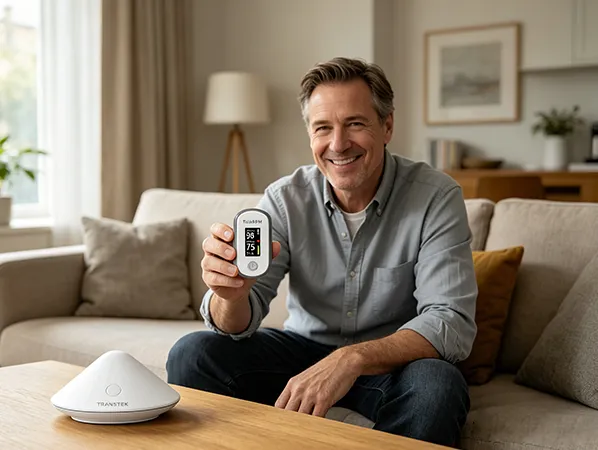
Blood oxygen saturation is one of the most important vital signs for assessing respiratory and cardiovascular health. With the rise of remote patient monitoring and home-based care, understanding how to interpret pulse oximeter readings has become essential for both patients and clinicians. TeleRPM supports healthcare teams by integrating pulse oximeter data into structured, clinically guided remote monitoring workflows.
Blood oxygen level is measured as SpO₂, which reflects the percentage of oxygen-carrying hemoglobin in the blood. For most healthy adults at sea level, a normal SpO₂ range is 95% to 100%. Values below this range may signal reduced oxygen delivery to organs and tissues.
Clinically, readings below 92% are often considered abnormal and may require medical evaluation, while levels below 90% are commonly classified as hypoxemia and can be an emergency depending on symptoms and underlying conditions. Chronic lung disease patients, such as those with COPD, may have individualized target ranges determined by their clinicians.
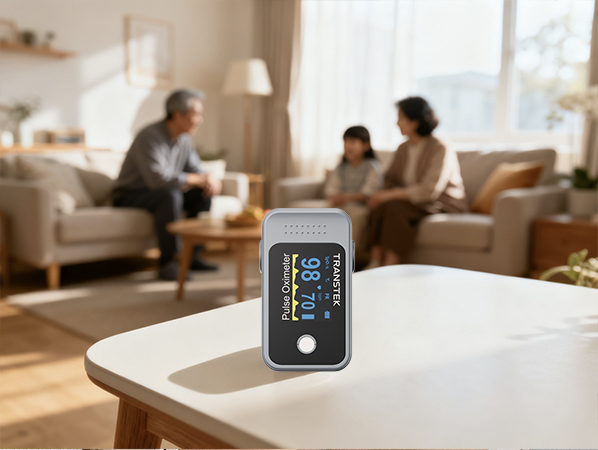
A pulse oximeter is a small, non-invasive device that clips onto a fingertip or earlobe. It works by emitting red and infrared light through the skin and measuring how much light is absorbed by oxygenated versus deoxygenated blood. Based on this light absorption pattern, the device calculates SpO₂ and pulse rate in real time.
Modern pulse oximeters are designed for both clinical and home use, making them an important component of telehealth and remote patient monitoring programs. Their ease of use has driven widespread adoption in post-acute care, chronic disease management, and hospital-at-home models supported by platforms like TeleRPM.
While pulse oximeters are simple to use, accurate interpretation matters. Readings can fluctuate based on body position, circulation, nail polish, cold extremities, or motion. For best results, users should sit still, warm their hands, and allow the reading to stabilize for several seconds.
It’s also important to track trends over time, not just single readings. A gradual decline from 97% to 93%, for example, may be clinically significant even if it does not trigger an immediate alert. TeleRPM’s remote monitoring workflows emphasize longitudinal data, enabling clinicians to intervene earlier and reduce avoidable hospitalizations.
.jpg "Pulse Oximeter")
Recent research and regulatory guidance have highlighted important limitations of pulse oximeter technology—particularly related to skin pigmentation and device accuracy. Studies reviewed by global health authorities show that some pulse oximeters may overestimate oxygen levels in people with darker skin tones, potentially delaying recognition of hypoxemia. Regulatory agencies now emphasize proper device selection, labeling review, and clinical correlation with symptoms.
Healthcare systems are rapidly expanding RPM (Remote Patient Monitoring) programs. Modern care models increasingly rely on connected pulse oximeters integrated into digital platforms like TeleRPM, allowing care teams to review data in real time rather than leaving interpretation solely to patients. This approach reduces the risk of misinterpretation and supports timely clinical interventions.
+86-0760-88282982