When people think of a Pulse Oximeter, they often imagine athletes monitoring performance during workouts. But for millions of heart disease patients, this small device is far more valuable. It provides essential, real-time insights into blood oxygen levels—an important indicator of cardiovascular health.
For individuals living with conditions such as coronary artery disease, heart failure, or arrhythmia, using a reliable device like the TeleRPM Pulse Oximeter can help detect early warning signs, prevent complications, and support better daily health management.
The heart and lungs work closely together. When the heart is weakened or damaged, it may struggle to pump oxygen-rich blood throughout the body. Low oxygen saturation (SpO₂) can indicate that the heart is under stress or that circulation is compromised.
For heart disease patients, monitoring blood oxygen is just as important as tracking blood pressure or heart rate. A Pulse Oximeter provides quick and noninvasive readings that reveal how efficiently the body is absorbing and transporting oxygen.
A reading below normal levels—typically under 95%—may indicate that the heart is not delivering enough oxygen, or that fluid buildup and breathing issues are beginning to develop. Early detection is key, especially for people with chronic heart failure or symptoms that fluctuate day by day.
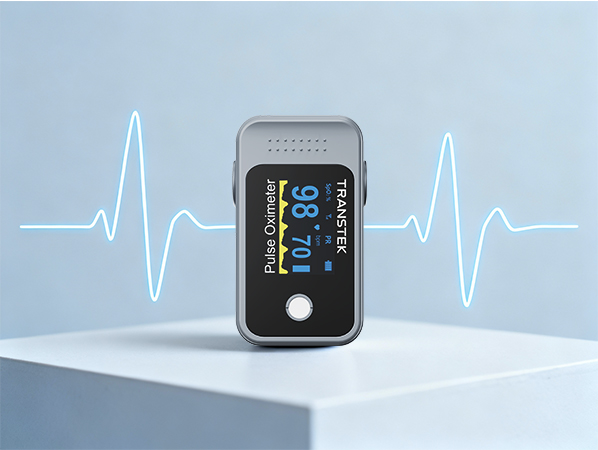
While a Pulse Oximeter is simple to use, heart disease patients should follow a few guidelines to ensure accurate readings:
Rest before measuring: Sit quietly for 5 minutes to avoid artificially high or low readings.
Warm your hands: Cold fingers reduce blood flow and affect accuracy.
Keep still during measurement: Movement can cause unstable readings.
Check at consistent times: Morning, after activity, and during symptoms are key moments.
The TeleRPM Pulse Oximeter provides stable and precise measurements within seconds, making it easy for heart disease patients to monitor their condition throughout the day. By recording readings at consistent intervals, patients can identify patterns and discuss them with healthcare providers.
Understanding oxygen trends can help patients detect subtle changes that indicate trouble. A drop in SpO₂ may signal:
Worsening heart failure
Fluid retention in the lungs
Poor circulation
Anemia or low hemoglobin
Respiratory complications
Heart disease patients should pay close attention to symptoms such as shortness of breath, dizziness, chest discomfort, or swelling in the legs. If these symptoms appear together with low oxygen readings, medical evaluation is recommended.
With the TeleRPM Pulse Oximeter, patients can also sync their measurements to a monitoring platform, allowing doctors and caregivers to track changes remotely. This continuous flow of data provides early alerts and can help prevent emergency visits or hospitalizations.
A Pulse Oximeter is most effective when used as part of an overall heart health plan. Heart disease patients should combine daily oxygen monitoring with other essential habits:
Track weight: Sudden increases may indicate fluid buildup.
Monitor blood pressure regularly.
Stay active: Gentle physical activity improves circulation.
Follow medication schedules carefully.
Sleep well: Poor sleep can worsen cardiovascular symptoms.
Devices like RPM Oximeter support patients and healthcare teams with easy, dependable readings. When used consistently, they provide valuable insights that guide treatment, prevent complications, and promote safer, healthier living.
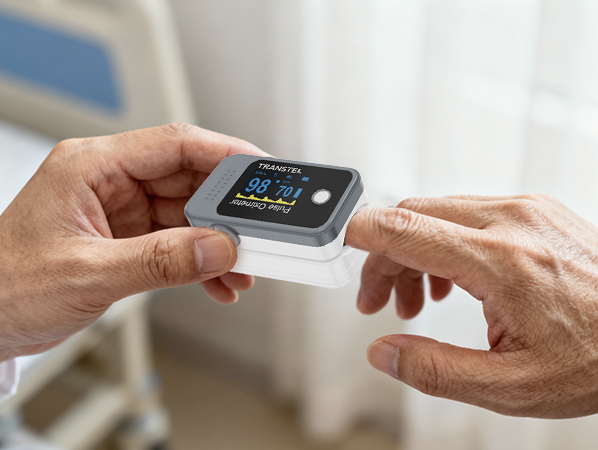
A Pulse Oximeter is not just for athletes—it is a vital tool for heart disease patients who need close, continuous monitoring of their oxygen levels. With simple operation, accurate readings, and seamless integration into remote monitoring systems, the TeleRPM Pulse Oximeter empowers individuals to take control of their cardiovascular health every single day.
+86-0760-88282982