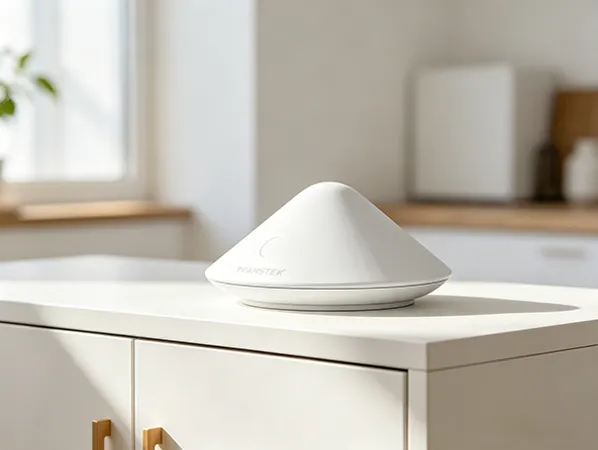
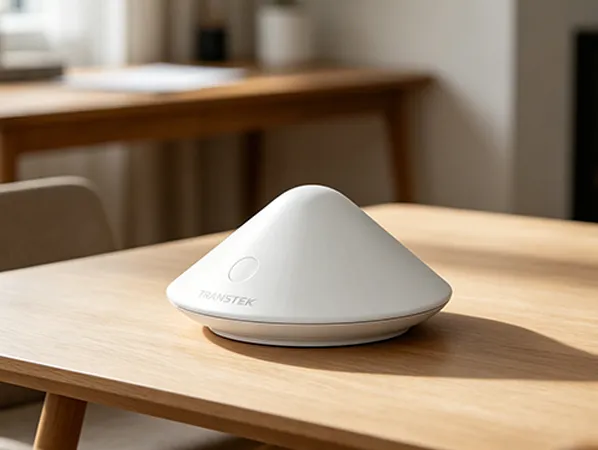
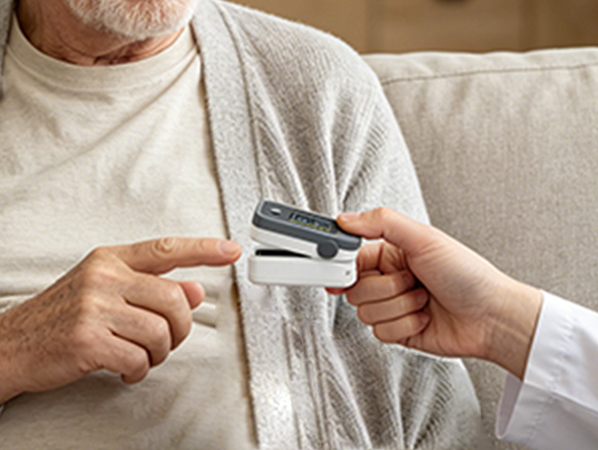
The COVID-19 pandemic accelerated the adoption of remote patient monitoring (RPM) tools, with the Pulse Oximeter becoming a household staple for tracking oxygen saturation (SpO₂). Today, at-home monitoring is no longer just an emergency measure—it’s a long-term solution to support patients with chronic conditions, post-surgery recovery, and overall wellness. With platforms like TRANSTEK’s Device Management , integrating a Pulse Oximeter into remote healthcare system has never been easier.
Oxygen saturation is a vital metric for patients with respiratory conditions such as COPD, asthma, and sleep apnea. Traditionally, monitoring required hospital visits or specialized devices. The Pulse Oximeter changed that by offering a portable, non-invasive way to measure blood oxygen levels instantly. With at-home devices connected to remote healthcare platforms, clinicians can access real-time data, detect warning signs earlier, and provide proactive care—all without requiring patients to leave their homes.
.jpg "Pulse Oximeters")
This platform bridges the gap between home-based devices and clinical oversight. By connecting a Pulse Oximeter directly to its secure management platform, TRANSTEK ensures that each reading is automatically transmitted to healthcare providers. This eliminates the need for patients to manually log results, reducing human error and improving data accuracy. The platform’s interoperability with electronic health records (EHR) also enables physicians to view SpO₂ trends alongside other vital signs, creating a holistic picture of patient health.
For patients, the integration of Pulse Oximeters into TRANSTEK means greater peace of mind. They can track their SpO₂ levels daily and receive alerts when readings fall outside normal ranges. This empowers them to take immediate action, whether adjusting lifestyle habits or contacting their provider. For healthcare professionals, TRANSTEK’s Device Management Platform provides actionable insights through dashboards and analytics. Early detection of declining oxygen saturation allows for timely interventions, potentially preventing hospitalizations and reducing healthcare costs.
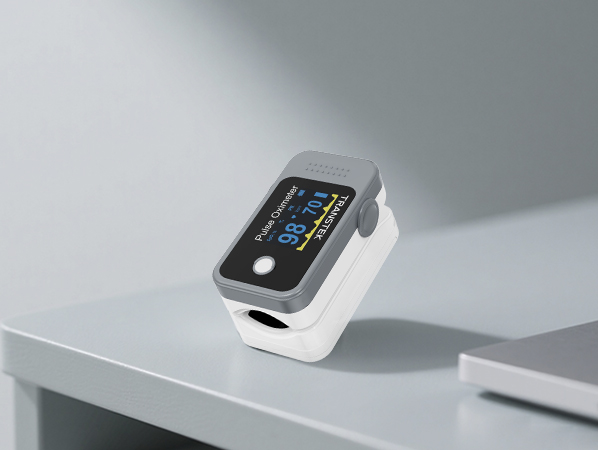
As telehealth continues to evolve, Pulse Oximeters will play a central role in RPM programs. Emerging innovations—such as wearable SpO₂ rings, smartphone-based monitoring, and AI-driven trend analysis—will further enhance integration with platforms like TRANSTEK’s RPM Devices Management. Looking ahead, seamless connectivity and predictive analytics will transform at-home SpO₂ monitoring from a reactive tool into a proactive, preventive care solution.
In today’s digital healthcare landscape, integrating Pulse Oximeters with remote monitoring platforms is not just a convenience—it’s a necessity. With TRANSTEK’s Device Management Platform, patients and providers gain a powerful tool to improve outcomes, enhance engagement, and make healthcare more accessible than ever before.
Read More Articles about Pulse Oximeter:
Pulse Oximeters: Reducing Hospital Readmissions in Chronic Care
Why the Pulse Oximeter Has Become an Essential Device in Every Home After the Pandemic
Application of Pulse Oximeter in Clinical, Home, and Sports Settings
Matters Need to Attention When Using a Pulse Oximeter
Who Else Besides Covid-19 Patients Need a Pulse Oximeter for Blood Oxygen Monitoring?
The Necessity of Blood Oxygen Monitoring with Pulse Oximeter
Top 5 Benefits of Pulse Oximeters in COPD and Asthma Care
Cellular Pulse Oximeters for Remote Respiratory Care
NEXT
+86-0760-88282982