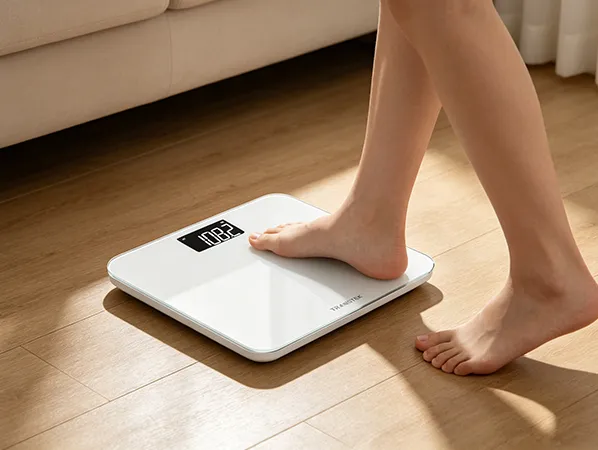
Remote weight monitoring plays an important role in many Remote Patient Monitoring (RPM) programs, particularly for patients who require regular weight tracking at home. However, effective remote weighing involves more than the measurement itself. Patients need a simple way to complete measurements, while RPM teams need a reliable workflow for receiving and reviewing readings without unnecessary manual steps.
Traditional home weighing workflows may require patients to record readings manually, enter values into an app, or report measurements to care teams. Each additional step can create friction and make routine monitoring more difficult to manage at scale.
A 4G weight scale offers a more direct approach. With built-in cellular connectivity and automatic transmission after measurement, the device can reduce dependence on smartphones, apps, and home Wi-Fi. This helps create a simpler path from the patient's weigh-in to remote review while supporting the operational needs of RPM programs.
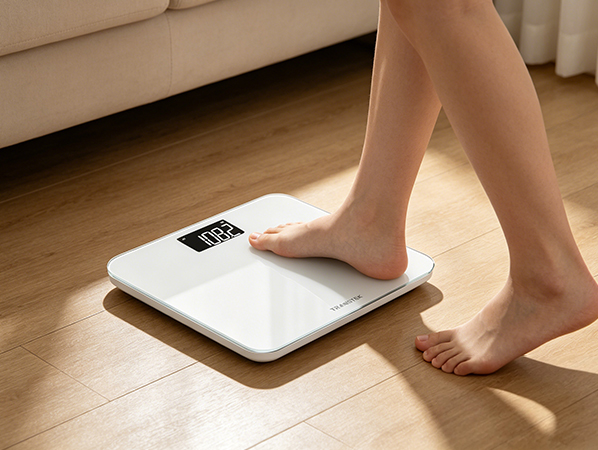
Remote Patient Monitoring depends on regular measurements that can be incorporated into an ongoing monitoring workflow. For weight monitoring, one isolated reading provides a snapshot, while repeated measurements over time help care teams identify changes, trends, and missed measurements.
The value of a remote weight scale therefore depends not only on measurement accuracy, but also on how easily each reading can become part of the remote monitoring process. Patients need to complete measurements correctly, the scale needs to capture the reading reliably, and the reading needs to reach the appropriate workflow for review.
The fewer unnecessary steps involved, the easier the process can be for both patients and care teams. Patients should be able to complete a routine weigh-in without becoming responsible for technical tasks, while care teams should not need to rely on repeated manual follow-up to maintain the monitoring process.
This is where automatic transmission becomes valuable. When a scale can transmit a reading after measurement, patients do not need to manually record or upload the result. For RPM teams, this creates a more direct workflow between home measurement and remote review.
Manual reporting can contribute to incomplete weight monitoring records. Even when patients are willing to participate, everyday routines can make manual reporting difficult to maintain over time. A patient may complete a measurement but forget to write down the result. Another may record several readings later or enter a value incorrectly.
Common workflow gaps can include:
A completed measurement may not be reported.
A reading may be reported later than it was taken.
A value may be entered incorrectly.
Measurements may be taken at irregular times.
Care teams may need to follow up on missing readings.
Reviewing trends may become more difficult when measurements are incomplete.
These issues may be manageable for individual patients, but they can create additional work when an RPM program serves a larger population. Even a small number of missing or delayed readings can require follow-up from support or care teams.
Automatic transmission can reduce this dependency on memory and manual reporting. When the scale transmits the reading after measurement, the patient has fewer steps to complete, while RPM teams can access the reading through the established monitoring workflow.
Measurement continuity is important for remote weight monitoring. Care teams may review whether weight is stable, gradually changing, or fluctuating over time. Without regular measurements, it can be more difficult to distinguish an actual change from a gap in reporting.
Automatic transmission helps support measurement continuity by allowing weight readings to enter the monitoring workflow after measurement. The patient does not need to type the value into an app, send it manually, or wait until the next call to report it. This reduces unnecessary manual steps and keeps the monitoring workflow closer to the actual measurement process.
This type of workflow is particularly useful when care teams review weight measurements across days or weeks. A clearer measurement history can make it easier for RPM teams to identify missing measurements or potential transmission issues without relying entirely on patient memory.
For patients, automatic transmission also reduces the administrative effort associated with daily weighing. The expected action becomes straightforward: step on the scale, complete the measurement, and continue with the daily routine.
A simpler process can help reduce friction in home monitoring and make routine weighing easier for patients to follow over time.
Many connected health devices rely on smartphones, Bluetooth pairing, apps, or home Wi-Fi to support remote monitoring. These approaches can work well, but they also introduce additional steps for patients. Different smartphones, operating systems, app settings, routers, and connectivity conditions can make the home monitoring experience less predictable.
A 4G cellular weight scale reduces some of these dependencies by using a built-in cellular connection. Patients do not need to connect the scale to a smartphone or depend on home Wi-Fi to transmit a reading. For RPM programs, this can create a more standardized workflow across different home environments.
This matters because every additional step in a home monitoring workflow can create another opportunity for interruption or user error. If patients need to open an app, check a connection, pair a device, or troubleshoot Wi-Fi, the process becomes more demanding. With cellular connectivity, the scale can handle transmission through its built-in connection after the measurement is completed.
For RPM teams, reducing these dependencies can also make device deployment easier. Patients with different levels of technical confidence can use the same basic weighing process without having to manage multiple connectivity steps.
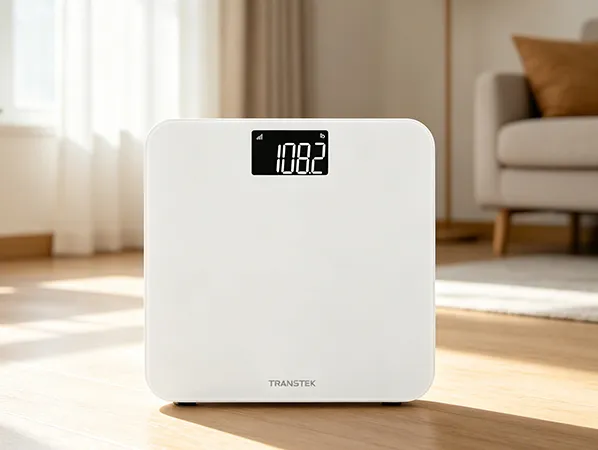
Transtek TeleRPM Scale Gen 2 supports AT&T, T-Mobile, and Verizon networks and is designed to automatically transmit weight readings after measurement. This 4G connectivity reduces the need for smartphones, app-based uploads, or manual entry, helping create a more direct workflow for remote weight monitoring.
When selecting a 4G RPM weight scale, RPM teams should evaluate the entire workflow rather than focusing only on the scale's basic weighing function. A device may be easy to use on its own, but its connectivity, transmission process, and deployment requirements can also affect how practical it is for an RPM program.
Key evaluation points include:
Whether the scale transmits readings automatically after measurement
Whether it reduces dependence on smartphones, apps, or home Wi-Fi
Whether readings can enter the monitoring workflow without manual entry
Whether patients can complete measurements with minimal instruction
Whether readings are available in a timely and organized way
Whether the device can be deployed across different home environments
Whether the workflow can support routine monitoring without repeated troubleshooting
These factors help RPM teams evaluate whether a device is suitable for real-world home monitoring. Remote monitoring does not happen in controlled clinical environments. It takes place in homes with different routines, connectivity conditions, and levels of user confidence.
A practical remote weighing workflow should reduce friction on both sides. Patients should not need to become technical operators, while care teams should not need to spend excessive time following up on routine measurements.
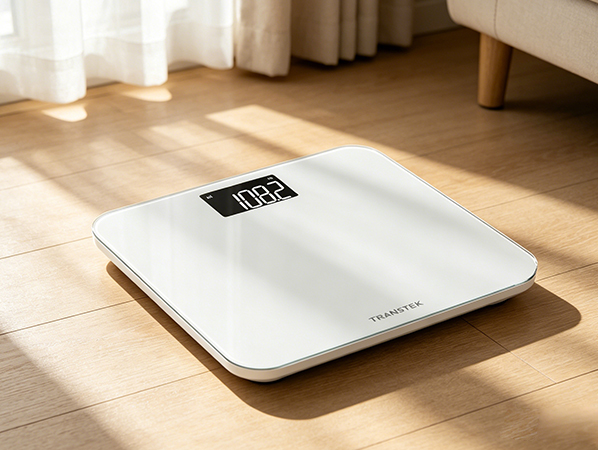
Transtek TeleRPM Scale Gen 2 is designed to support remote patient monitoring with 4G cellular connectivity, automatic transmission, and step-on measurement. By reducing the need for smartphone pairing, app-based uploads, and manual entry, the scale helps create a more direct workflow from home weighing to remote review.
The scale supports AT&T, T-Mobile, and Verizon networks, providing cellular connectivity designed for use across different home environments. After measurement, the device can automatically transmit the reading, reducing the number of patient-side steps required to complete routine weight monitoring.
Beyond connectivity, the scale is designed for practical home use. Its step-on measurement process allows patients to complete a weigh-in without navigating a smartphone or additional application. The device also incorporates patented sensor technology and a medical-grade quality management system, supporting the product's focus on reliable measurement and RPM use.
The device is FDA-cleared as a weight scale, providing an additional consideration for RPM organizations evaluating devices for remote monitoring programs.For RPM teams, the value of a 4G weight scale extends beyond measuring body weight. A device that combines straightforward measurement, cellular connectivity, and automatic transmission can help reduce operational friction while making routine home weighing easier to manage.
As remote monitoring programs expand, device connectivity needs to be considered alongside measurement accuracy, usability, and workflow integration. A successful home monitoring experience depends on more than placing a scale in the patient's home. The device also needs to fit naturally into the patient's daily routine and the RPM team's established workflow.
From the moment a patient steps on the scale to the moment the reading becomes available for remote review, each step can affect the efficiency of the monitoring process. Transtek TeleRPM Scale Gen 2 supports this workflow by combining step-on measurement, 4G cellular connectivity, automatic transmission, and a design focused on practical RPM use.
For healthcare providers, these capabilities can help create a more straightforward approach to remote weight monitoring while reducing reliance on smartphones, apps, and home Wi-Fi.
+86-0760-88282982