When choosing a blood glucose monitor, accuracy is often the first consideration. However, everyday testing is also influenced by how easy the device is to use. Features such as blood sample volume, result time, and automatic reading transmission can all affect whether patients complete glucose measurements consistently at home.
For people living with diabetes, blood glucose monitoring is a routine activity rather than a one-time event. Testing may be recommended before meals, after meals, following medication adjustments, during illness, or whenever symptoms suggest changes in blood glucose levels. Because these measurements are repeated over time, even small design details can have a meaningful impact on the overall testing experience.
A 4G blood glucose monitor combines practical device design with automatic cellular transmission for Remote Patient Monitoring (RPM) programs. Along with eliminating the need for Wi-Fi or smartphone pairing, a small blood sample requirement can make home testing easier to complete, helping patients maintain a more consistent monitoring routine while supporting timely follow-up by healthcare providers.
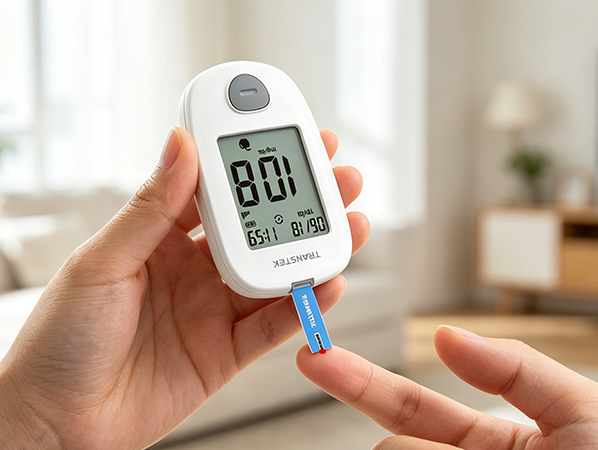
Blood glucose monitoring is not simply about obtaining one accurate reading. It is a long-term routine that often requires repeated testing throughout the day or week. Some patients monitor fasting glucose, while others test before meals, after meals, during medication adjustments, before exercise, or when symptoms indicate possible hypoglycemia or hyperglycemia. Because testing becomes part of daily life, small sources of inconvenience can gradually affect long-term consistency.
Measurement burden includes more than fingertip discomfort. Patients also need to prepare the lancing device, collect enough blood for the test strip, wait for the result, and report readings when required. If any step feels complicated or time-consuming, testing may be delayed or performed less consistently.
A smaller blood sample requirement helps reduce effort at one of the most important stages of home glucose monitoring. While it does not replace clinical guidance or improve treatment outcomes by itself, it can make each test easier to complete. This becomes especially valuable for people who monitor their glucose regularly over long periods.
For patients who test frequently, the same small inconvenience can become a repeated barrier. Collecting enough blood may be frustrating, especially if the first sample is insufficient or another fingerstick is required. A lower blood sample requirement helps simplify this step, making daily testing feel more manageable.
A small blood sample requirement can help patients:
Complete measurements with less pressure to collect a larger blood sample
Reduce frustration caused by insufficient blood on the first attempt
Build a faster and more convenient daily testing routine
Feel more comfortable during repeated fingerstick testing
Maintain greater consistency with long-term home glucose monitoring
These benefits go beyond describing a device as simply "easy to use." They explain how thoughtful product design can improve the testing experience. For patients who perform regular glucose monitoring, reducing small barriers at each measurement can help support better adherence to home testing routines.
Remote Patient Monitoring begins with completed home measurements. Before glucose readings can be reviewed by healthcare providers, patients first need to complete each test correctly and consistently. If home testing is missed or delayed, healthcare providers have fewer readings available to evaluate glucose trends over time.
This is why a small blood sample requirement remains important even for a connected RPM blood glucose monitor. While 4G cellular connectivity allows readings to be transmitted automatically after each measurement, successful remote monitoring still depends on patients completing the testing process comfortably at home.
By making the measurement step easier, a smaller blood sample requirement can support more consistent testing habits. Combined with automatic cellular transmission, healthcare providers are more likely to receive complete home glucose records for ongoing glucose trend evaluation and follow-up after treatment changes.
For RPM providers, this shifts the conversation beyond connectivity alone. Reliable transmission is important, but consistent home measurements are equally essential. A blood glucose monitor that simplifies everyday testing helps support the regular monitoring behavior that successful RPM programs depend on.
Blood sample volume is only one part of the testing experience. The time required to receive a result also affects how easily glucose monitoring fits into everyday life. Many patients test before meals, after meals, before leaving home, or around medication schedules, making a quick testing process especially valuable.
A 5-second result helps reduce waiting time between applying the blood sample and viewing the glucose reading. Although the difference may seem small, a faster result can make repeated daily testing feel more convenient, particularly for patients who monitor their glucose several times a day.
When a small blood sample requirement is combined with fast results, home glucose monitoring becomes easier to repeat as part of a daily routine. This combination supports long-term adherence by reducing unnecessary interruptions during testing while helping patients complete measurements more efficiently.
Accuracy remains one of the most important factors when selecting a blood glucose monitor. However, for home monitoring and Remote Patient Monitoring (RPM) programs, healthcare providers should also evaluate how well the device supports consistent testing in everyday use.
Important considerations include:
Blood sample volume
Result time
Test strip design and sample application
Display readability
Simple operating steps
Automatic reading transmission
Cellular or Bluetooth® connectivity
Historical glucose record review
Suitability for long-term home monitoring
These features work together to improve the overall testing experience. A smaller blood sample simplifies the fingerstick process. Fast results shorten the testing routine. Automatic transmission reduces manual reporting, while historical glucose records help healthcare providers review trends over time. Together, these design elements support more consistent home glucose monitoring and more efficient remote follow-up.
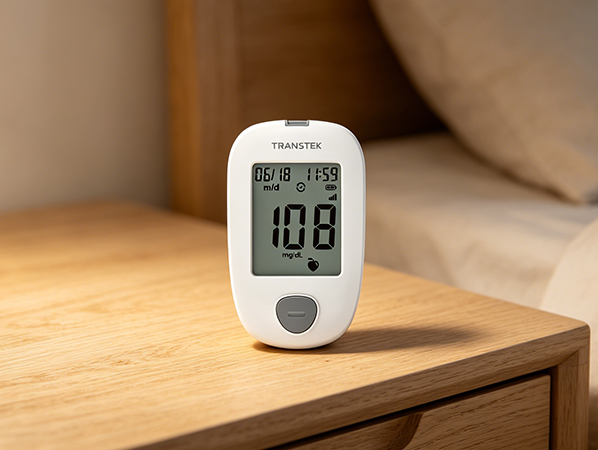
TeleRPM BGM Gen 1 is designed specifically for Remote Patient Monitoring (RPM) programs. With built-in cellular connectivity, it automatically transmits each glucose reading after measurement without requiring Wi-Fi, smartphone pairing, or manual uploads. Supporting major U.S. carriers, including AT&T, T-Mobile, and Verizon, it helps healthcare providers receive home glucose readings more consistently across a wide range of care settings.
Beyond cellular connectivity, the device is designed to simplify everyday glucose testing. It requires only a 0.8 μL blood sample and delivers results in 5 seconds, helping reduce effort during each measurement while making routine testing faster and more convenient. Advanced single-layer 8-electrode test strips and HCT correction technology further support reliable home glucose measurement across a variety of patient conditions.
For patients, a smaller blood sample requirement and fast results make home testing easier to repeat over time. For healthcare providers, automatic cellular transmission supports more consistent glucose trend review by reducing reliance on handwritten logbooks or manual reporting.
While a small blood sample volume may appear to be a minor specification, it can have a meaningful impact on the overall home testing experience. By combining patient-friendly measurement design with automatic 4G transmission, TeleRPM BGM Gen 1 helps support more consistent home glucose monitoring and more efficient remote diabetes management.
PREV
+86-0760-88282982