Remote patient monitoring (RPM) continues to evolve toward more flexible and scalable care models. As healthcare providers expand home-based monitoring programs, the focus is increasingly on solutions that are easy for patients to use while supporting coordinated care across multiple devices.
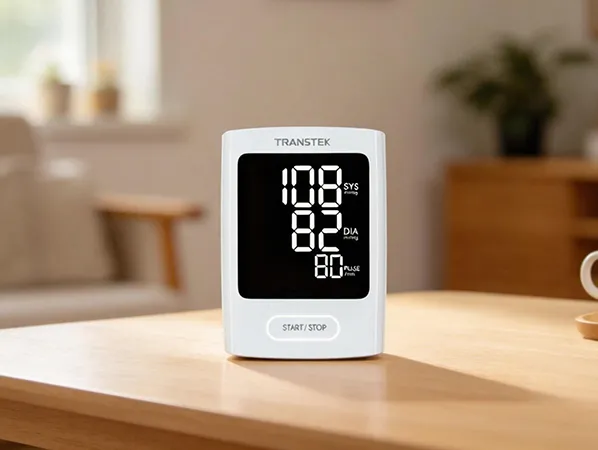
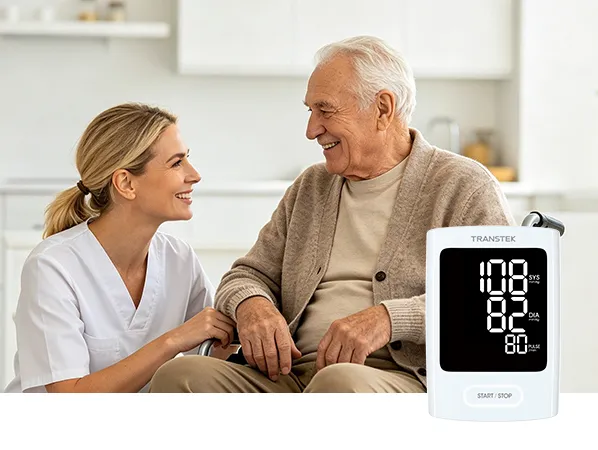
Many chronic care patients require more than one monitoring tool, such as pulse oximeters, blood pressure monitors, glucose meters, or weight scales. Managing these devices individually can create operational complexity and increase workflow burden for care teams.
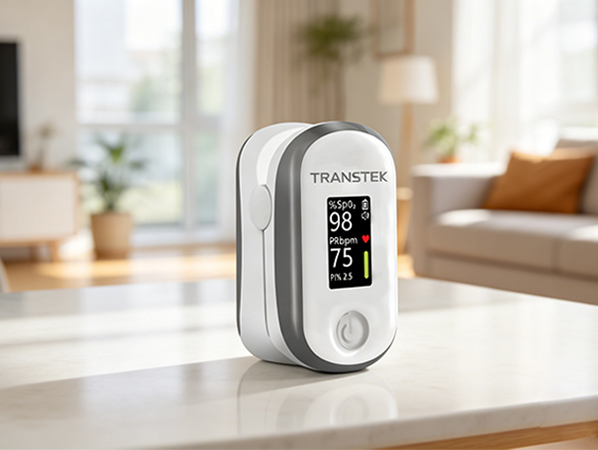
The TeleRPM Bluetooth Pulse Oximeter is designed to support this evolving need. By combining accurate SpO₂ measurement with Bluetooth connectivity and hub-assisted transmission, it enables reliable home monitoring while keeping the device experience simple for patients.
Bluetooth-enabled medical devices continue to play an important role in RPM workflows due to their simplicity and low-power connectivity. They allow patient-side devices to focus on accurate measurement while relying on external systems for data transmission.
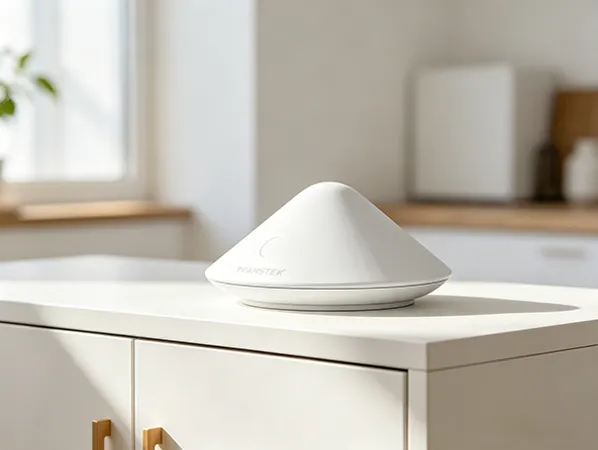
The TeleRPM Bluetooth Pulse Oximeter connects to a monitoring hub after each measurement. The hub then transmits SpO₂ and pulse rate readings to the RPM platform through built-in cellular connectivity.
This approach allows patients to complete measurements without using smartphones, installing applications, or configuring home Wi-Fi networks. The device experience remains simple and focused on measurement, while connectivity is handled automatically in the background.
In this model, Bluetooth serves as the local connection method between the device and hub, supporting reliable data transfer without adding complexity to the patient workflow.
In many RPM programs, patients are monitored using multiple devices simultaneously. Coordinating these devices individually can increase complexity and make large-scale deployment more difficult.
The Bluetooth + hub model helps address this challenge by centralizing connectivity. Multiple Bluetooth-enabled devices can connect to a single hub, which manages data transmission to the monitoring platform.
For healthcare providers, this reduces the need to configure or manage connectivity for each individual device. It also simplifies logistics and supports more consistent deployment across patient populations.
For patients, the experience remains straightforward. Each device focuses on its core measurement function, while the hub handles transmission automatically without requiring user interaction.
This structure helps support more scalable RPM programs while maintaining a simple patient experience.
SpO₂ monitoring provides important clinical insight across a wide range of chronic conditions, including respiratory disease, cardiovascular conditions, sleep-related breathing disorders, and post-acute recovery.
The TeleRPM Bluetooth Pulse Oximeter supports routine at-home measurements that allow clinicians to review respiratory status outside traditional clinical settings. Instead of relying solely on occasional office visits, providers can observe trends over time and identify changes earlier.
This supports more informed clinical decision-making and helps guide timely adjustments in care plans when needed.
For patients with chronic respiratory conditions such as COPD or asthma, regular monitoring can also help increase awareness of symptom changes and encourage earlier communication with healthcare providers.
Consistent monitoring depends heavily on ease of use. Devices that require complex setup or frequent troubleshooting are less likely to be used consistently in home environments.
The TeleRPM Bluetooth Pulse Oximeter is designed for simple daily operation. Its fingertip form factor supports quick and comfortable measurements, while intuitive usage reduces the learning curve for patients of different ages and technical backgrounds.
Because connectivity is handled through Bluetooth and a supporting hub, patients do not need to interact with smartphones or network settings. This reduces friction and helps improve long-term adherence in RPM programs.
By focusing on simplicity at the device level, the system helps ensure more consistent patient engagement and more reliable measurement collection.
As healthcare providers expand RPM programs, scalability and operational efficiency become key priorities. Bluetooth pulse oximeters paired with hub-based connectivity provide a practical way to support this expansion.
The RPM Pulse Oximeter can be deployed alongside other Bluetooth-enabled devices such as blood pressure monitors, glucose meters, and weight scales. These devices can all connect through the same hub, reducing duplication in connectivity infrastructure.
This model helps streamline deployment and supports more consistent workflows across large patient populations. It allows healthcare providers to expand monitoring programs without increasing system complexity at the device level.
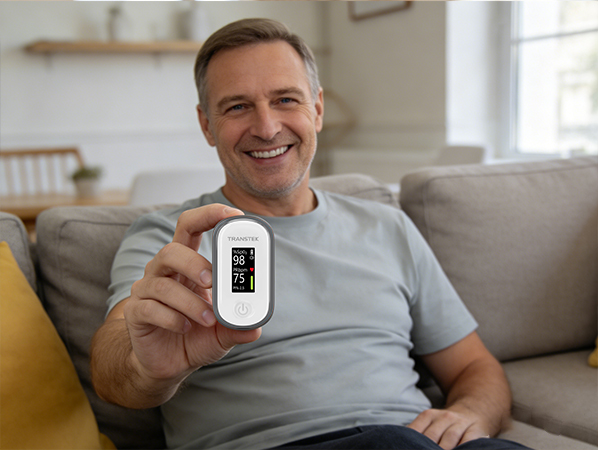
The TeleRPM Bluetooth Pulse Oximeter demonstrates how Bluetooth-enabled monitoring devices can support more scalable and efficient RPM programs. By combining accurate oxygen measurement with simplified Bluetooth connectivity and hub-assisted transmission, it helps healthcare providers maintain consistent monitoring while reducing operational burden.
Its role is centered on reliable SpO₂ measurement and simple patient experience, while connectivity is handled through an optional supporting layer that enables broader RPM scalability.
As home-based care continues to grow, Bluetooth pulse oximeters will remain an important part of RPM infrastructure, helping healthcare providers deliver more accessible and consistent monitoring across diverse patient populations.
+86-0760-88282982