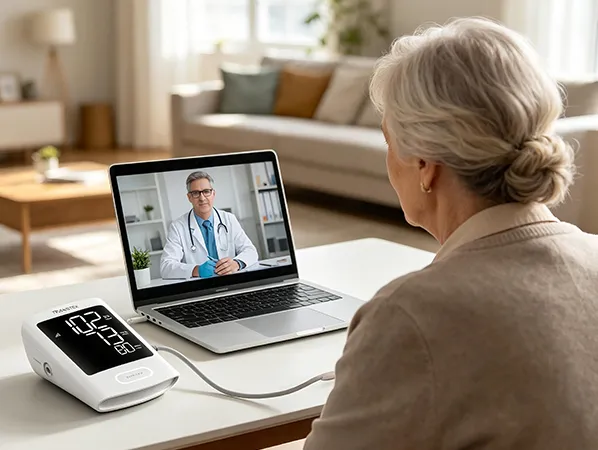
Heart failure is one of the most common chronic conditions affecting older adults worldwide, yet many patients are surprised when their cardiologist asks them to step on a scale every morning. At first glance, weight may seem unrelated to heart function. However, for people living with heart failure, daily weight monitoring is one of the simplest and most effective ways to detect changes in their condition before symptoms become severe.
Small increases in body weight can indicate fluid retention rather than changes in body fat, making daily weight monitoring an important part of heart failure management. Many heart failure specialists consider daily weight tracking just as important as monitoring blood pressure or taking prescribed medications. Changes on the scale can reveal early signs of fluid buildup, allowing healthcare providers to intervene before complications lead to emergency room visits or hospitalization.
Heart failure does not mean that the heart has stopped working. Instead, it means the heart is unable to pump blood efficiently enough to meet the body's needs. As the condition progresses, the body often compensates by retaining sodium and water, leading to fluid buildup throughout the body.
This process can cause swelling in the legs, ankles, abdomen, and lungs. One of the earliest signs of worsening heart failure is not necessarily shortness of breath or visible swelling, but rather an increase in body weight caused by excess fluid. Daily weighing can therefore provide an early warning signal long before patients begin to feel unwell.
This is why cardiologists routinely recommend that heart failure patients weigh themselves every day under consistent conditions, ideally in the morning after using the bathroom and before eating breakfast. Tracking these measurements over time helps identify trends that may indicate worsening fluid retention.
Traditional healthcare models often rely on periodic office visits to evaluate chronic conditions. However, heart failure can change rapidly between appointments. A patient may appear stable during a clinic visit but develop fluid retention days later.
Daily weight monitoring helps clinicians identify changes that may occur between scheduled visits. Sudden increases in body weight may signal worsening heart failure and require medical attention.
Without consistent monitoring, these changes may go unnoticed until symptoms become severe enough to require hospitalization. By identifying concerning trends earlier, clinicians can often adjust medications, review dietary habits, or provide additional support before a crisis occurs. This proactive approach aligns closely with modern value-based care strategies, which prioritize prevention and early intervention over reactive treatment.
One common misconception is that a single weight measurement is enough to evaluate health status. In reality, cardiologists are often more interested in weight trends than individual readings.
A patient's weight naturally fluctuates from day to day due to factors such as food intake, hydration, and physical activity. However, when measurements are collected consistently over weeks and months, they reveal patterns that can help clinicians understand how a patient's condition is evolving.
For example, a gradual upward trend may suggest increasing fluid retention despite medication adherence. A sudden weight increase may indicate rapid fluid accumulation and require prompt clinical evaluation. Conversely, unexplained weight loss in heart failure patients can also be concerning, potentially signaling nutritional challenges or disease progression.
Despite its importance, daily weighing is not always easy for patients to maintain. Many individuals forget to record their measurements, lose paper logs, or struggle to share their weight records accurately with healthcare providers.
For older adults, these challenges can be even greater. Some patients may have limited mobility, vision impairments, or difficulty using smartphone applications. Others may simply become discouraged by the inconvenience of manual tracking.
As a result, healthcare providers often receive incomplete weight histories, making it harder to identify meaningful trends and intervene at the right time.
This is where connected RPM technology can make a significant difference.
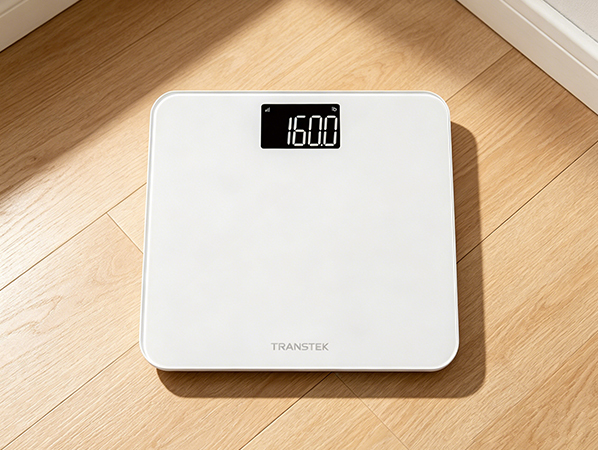
The TeleRPM Scale Gen 2 Weight Scale is designed to address many of the barriers associated with traditional weight monitoring. Instead of requiring manual recording, smartphone pairing, or Wi-Fi setup, the scale features built-in 4G cellular connectivity that automatically transmits weight measurements to the RPM platform after each use.
For heart failure patients, this simplicity is especially valuable. Users simply step onto the scale, and the measurement is transmitted automatically without additional actions. There are no apps to open, no Bluetooth pairing processes to manage, and no internet connection required.
For many older adults living with heart failure, technology can become a barrier to consistent monitoring. A cellular-connected scale eliminates the need for smartphone ownership, app installation, or home internet access, making daily weight monitoring easier to maintain.
By reducing the steps required to complete a daily measurement, connected scales can help improve adherence to long-term monitoring programs. This allows patients to incorporate weight monitoring into their daily routine with minimal effort while helping healthcare providers maintain visibility into ongoing health trends.
Remote patient monitoring programs are increasingly being used to manage heart failure because they allow care teams to monitor patients between visits. Weight measurements collected through connected devices help clinicians monitor trends in fluid status and overall disease management.
When sudden weight changes occur, providers can review recent weight trends, contact the patient, and determine whether interventions are needed.
The TeleRPM Scale Gen 2 plays an important role in this process by delivering reliable daily measurements directly to healthcare teams. Rather than relying on patient memory or handwritten logs, clinicians can review objective weight records that support more informed decision-making.
For healthcare providers, this also improves operational efficiency by enabling scalable monitoring across larger patient populations.

For heart failure patients, daily weight monitoring may seem like a simple task, but its clinical value is substantial. Because fluid retention often develops before noticeable symptoms appear, regular weight measurements provide one of the earliest opportunities to detect worsening heart failure and initiate timely interventions.
As remote patient monitoring continues to evolve, connected devices are making this process easier and more effective. The TeleRPM Scale Gen 2 supports consistent daily monitoring through accurate measurements, built-in 4G connectivity, and a simple user experience that eliminates many of the barriers associated with traditional weight tracking.
+86-0760-88282982