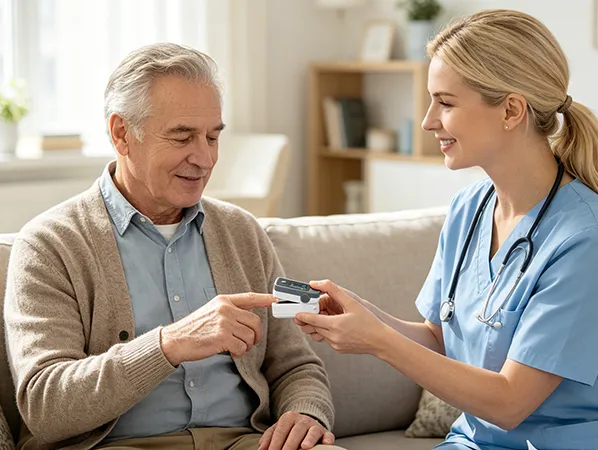
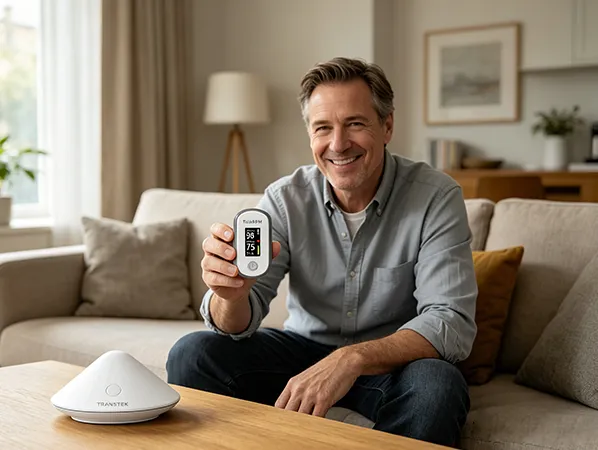
Value-based care is reshaping the way diabetes management is delivered. Rather than focusing solely on the number of services provided, healthcare providers are increasingly evaluated based on patient outcomes, care quality, and the ability to prevent avoidable complications.
For diabetes, achieving these goals requires more than occasional office visits. Healthcare providers need reliable visibility into a patient's blood glucose readings between appointments, while patients need monitoring tools that are easy to use consistently.
This is where cellular blood glucose monitors can make a meaningful difference. By automatically transmitting readings through built-in cellular connectivity, these devices help simplify remote patient monitoring (RPM), reduce patient burden, and support more effective diabetes management outside the clinic.
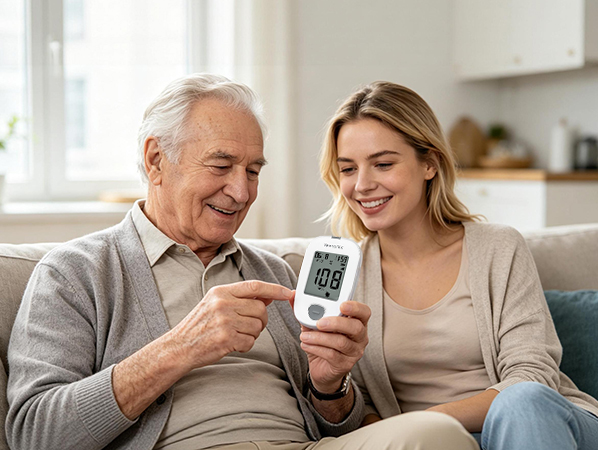
Diabetes management depends heavily on what happens between provider visits. Blood glucose levels can be influenced by meals, physical activity, medication adherence, sleep quality, illness, and daily routines.
While periodic appointments remain important, they provide only a limited view of a patient's day-to-day glucose control.Regular blood glucose monitoring helps healthcare providers better understand how patients are managing their condition over time. More importantly, it creates opportunities to identify potential concerns before they develop into more serious health issues that may require emergency care or hospitalization.
This focus on prevention and early intervention aligns closely with the goals of value-based care.
Many RPM programs rely on blood glucose readings collected at home. However, obtaining consistent readings is not always straightforward.
With traditional Bluetooth-only workflows, patients may need to:
· Pair the device with a smartphone
· Download and manage an app
· Keep Bluetooth enabled
· Troubleshoot connectivity issues
· Manually synchronize readings
For some patient populations, particularly older adults or individuals with limited technology experience, these additional steps can create barriers to participation.
When readings are not successfully transmitted, healthcare providers may have incomplete information, and care teams may spend additional time following up with patients.
Cellular blood glucose monitors simplify this process by eliminating many of these requirements. Once a measurement is taken, the reading can be transmitted automatically through the device's built-in cellular connection without requiring smartphone pairing, Wi-Fi configuration, or manual synchronization.
Patient engagement is a key component of successful diabetes management, but engagement often depends on simplicity. The more complicated a monitoring workflow becomes, the more likely patients are to stop using the device consistently.
Cellular blood glucose monitors help reduce this risk by minimizing the number of steps required to complete a reading and transmit it to the monitoring platform.
For RPM programs, this simplified workflow can support:
· Easier patient onboarding
· Reduced technical support requirements
· Improved adherence to monitoring schedules
· More consistent reporting of blood glucose readings
These advantages are particularly valuable for patient populations that may struggle with smartphone-based technology.
One of the challenges of diabetes care is that important changes in glucose control often occur between scheduled appointments. A patient experiencing persistent high blood glucose levels may not have a clinic visit for weeks or months. Similarly, changes in medication adherence or daily habits may go unnoticed until the next follow-up appointment.
Cellular blood glucose monitors help bridge this gap by allowing readings to be shared automatically after each measurement.
As readings accumulate over time, healthcare providers can review glucose trends, identify changes in monitoring behavior, and gain a clearer picture of how patients are managing their condition outside the clinical setting.
This additional visibility supports more informed clinical decision-making and enables care teams to respond when additional patient support may be needed.
Preventing complications is a central objective of value-based care.
When healthcare providers receive blood glucose readings on a more consistent basis, they may be able to identify potential concerns earlier, including:
· Persistent hyperglycemia
· Repeated low glucose readings
· Reduced monitoring frequency
· Patterns that suggest worsening glucose control
Earlier identification allows care teams to provide education, adjust treatment plans, or schedule follow-up outreach before a situation becomes more serious. For patients, this may help reduce the risk of avoidable complications. For healthcare providers, it supports a more proactive approach to diabetes management.
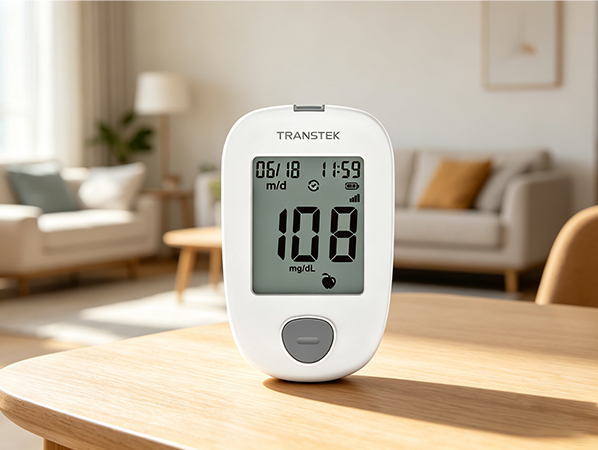
As RPM programs continue to expand, healthcare providers need monitoring solutions that can be deployed efficiently across large patient populations. Cellular blood glucose monitors help support scalability by reducing many of the technical challenges associated with device connectivity.
Because readings are transmitted automatically through cellular networks, care teams can spend less time addressing connectivity issues and more time focusing on patient care.
This makes cellular blood glucose monitors a practical option for RPM programs seeking to improve operational efficiency while maintaining a positive patient experience.
As healthcare providers continue to adopt value-based care strategies, the importance of reliable home monitoring will continue to grow.
Cellular blood glucose monitors support these efforts by simplifying the collection and transmission of blood glucose readings, reducing barriers to participation, and helping healthcare providers stay informed between clinic visits.
For RPM programs focused on diabetes management, automatic cellular connectivity can play an important role in improving patient engagement, supporting earlier intervention, and enabling more efficient care delivery. These benefits make cellular blood glucose monitors a valuable tool for organizations working to achieve better outcomes in value-based care environments.
+86-0760-88282982