Oxygen saturation (SpO₂) is a critical vital sign that provides direct insight into a patient’s respiratory and cardiovascular status. For individuals with chronic lung disease, heart conditions, or post-acute recovery needs, monitoring SpO₂ is not just useful but essential for timely intervention.
Traditionally, pulse oximetry has been limited to hospitals or occasional home spot checks. However, cellular pulse oximeter is transforming this model by enabling frequent, longitudinal respiratory monitoring in home settings.
In conventional care models, SpO₂ measurements are often taken during clinic visits or when symptoms become noticeable. This leads to several key limitations:
Data is infrequent and fragmented
Early signs of deterioration may be missed
Clinical decisions rely on incomplete information
For many respiratory conditions, deterioration often occurs gradually. A patient’s oxygen level may decline over hours or days before symptoms such as shortness of breath become severe. Without continuous monitoring, these early warning signs often go undetected.
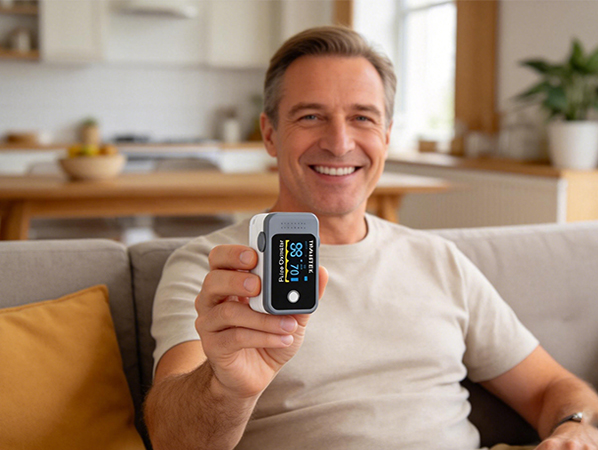
TeleRPM Pulse Oximeter addresses these challenges by enabling automatic, real-time data transmission via 4G cellular networks. Unlike Bluetooth devices, it does not rely on smartphones, apps, or home Wi-Fi.
Each measurement is captured instantly and transmitted securely to the RPM platform, available for clinician to review in real time. This ensures that healthcare providers have access to up-to-date, reliable patient data, regardless of the patient’s technical literacy or living environment. The device also supports intelligent network switching, maintaining stable connectivity even in areas with weaker signals.
The real value of continuous monitoring lies in how the data is translated into clinical action. With the TeleRPM Pulse Oximeter, clinicians can:
Track SpO₂ trends over time
Identify gradual declines in oxygen saturation
Set thresholds for alerts and interventions
For example, a consistent drop in SpO₂ levels may indicate worsening respiratory function or infection. With real-time visibility, clinicians can respond quickly by adjusting oxygen therapy, prescribing medication, or initiating further evaluation. This shift from reactive to proactive care is particularly important in managing conditions such as COPD, sleep apnea, and post-COVID recovery.
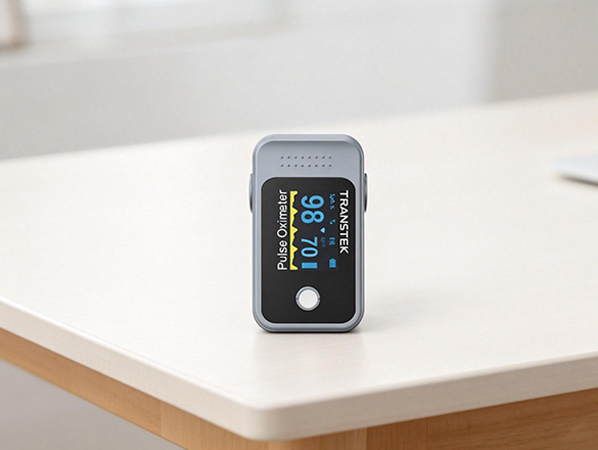
Patient adherence is essential in remote monitoring. TeleRPM Pulse Oximeter is designed to ensure ease of use across all patient groups, including seniors.
Key usability features include:
One-button operation for simple measurement
Lightweight design (~30g) for portability
Clear OLED display for easy reading
Automatic power-off to conserve battery
These features reduce user burden and make daily monitoring effortless, increasing the likelihood of consistent data collection.
After hospital discharge, patients remain at high risk of complications. Continuous SpO₂ monitoring provides a safety net during this vulnerable period.
TeleRPM Pulse Oximeter enables:
Remote tracking of recovery progress
Early detection of complications
Timely clinical intervention
This proactive monitoring model can help reduce hospital readmissions and improve patient outcomes, particularly in respiratory care programs.
From an operational perspective, cellular pulse oximeters are ideal for large-scale RPM deployment.
Because they do not require pairing or local network setup, they can be:
Shipped directly to patients
Used immediately out of the box
Centrally managed through RPM platforms
This reduces onboarding time, technical support needs, and operational complexity, making it easier for providers to scale remote care programs efficiently.
RPM Pulse Oximeter represents a meaningful advancement in respiratory monitoring. By combining cellular connectivity, real-time data transmission, and user-friendly design, it transforms SpO₂ measurement from an occasional check into a continuous clinical tool. As healthcare continues to move toward remote and value-based care models, cellular pulse oximeters are expected to play an important role in enabling early intervention, improving outcomes, and delivering more proactive respiratory care.
+86-0760-88282982