For older adults living with diabetes, daily blood glucose monitoring is not only a routine health task but also an important part of preventing complications and maintaining independence. However, traditional monitoring workflows can become challenging when patients need to manage test strips, record results manually, use smartphones, or complete additional setup steps. As healthcare providers expand Remote Patient Monitoring (RPM) programs, the need for simpler, more reliable, and senior-friendly glucose monitoring solutions continues to grow. This is why cellular blood glucose monitoring devices are becoming an increasingly practical solution for modern diabetes care.
Diabetes management is moving beyond clinic-based treatment toward more flexible, home-based care. For older adults, this shift is especially important because glucose levels can be influenced by daily factors such as meals, medication, physical activity, sleep, stress, and other chronic conditions.
Remote Patient Monitoring (RPM) enables healthcare providers to review patient health information collected from home and identify potential concerns between scheduled appointments. However, successful RPM programs depend on more than measurement accuracy. They also rely on whether patients can use monitoring devices consistently in their daily lives.
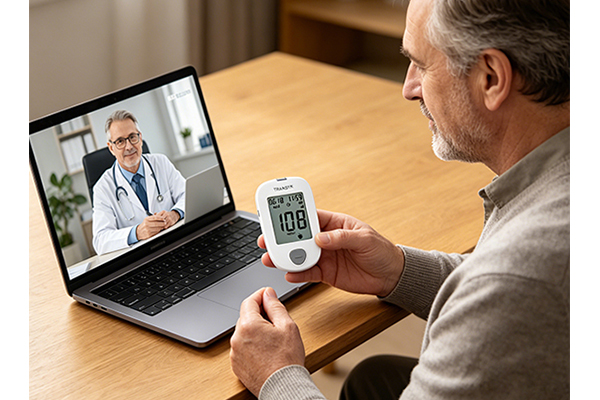
For many older adults, smartphone setup, Bluetooth pairing, mobile application login, and manual synchronization steps can create unnecessary barriers. A cellular blood glucose monitor addresses these challenges through built-in cellular connectivity, allowing readings to be transmitted automatically without requiring a smartphone or additional patient interaction. This simplified workflow can improve patient participation, reduce technical support needs, and help care teams review long-term glucose trends more consistently.
Diabetes management often becomes more complex as patients age. Many older adults also manage hypertension, cardiovascular disease, kidney disease, obesity, or other chronic conditions that require regular monitoring and medication management.
Age-related changes can also affect daily glucose testing. Reduced vision may make it harder to read small screens or instructions. Limited hand dexterity can make handling test strips or lancets more difficult. Memory challenges may lead to missed tests or incomplete records. Some elderly patients may also have limited experience with smartphones, Bluetooth pairing, or mobile health applications.
These challenges do not mean patients are unwilling to manage their health. Instead, they highlight why monitoring devices should be designed around real home-use conditions. For healthcare organizations, the question is not only whether a blood glucose meter provides accurate measurements. The more important question is whether older adults can use the device every day with minimal technical barriers.
A single blood glucose reading only reflects one point in time. It may show whether a patient's glucose level is high, low, or within range, but it does not reveal the complete pattern of daily changes.
Consistent monitoring over days and weeks provides greater clinical value. Long-term glucose monitoring can help care teams understand:
Whether a patient's glucose levels remain stable over time
Whether medication or lifestyle adjustments may be needed
Whether abnormal patterns appear between scheduled appointments
Whether the patient is performing regular glucose testing at home
Traditional monitoring workflows often depend on patients recording and sharing results manually. In some connected systems, patients may need to pair the device with a smartphone, open an application, confirm synchronization, and complete additional steps before readings become available. For elderly patients, each additional step can increase the likelihood of missed readings.
Cellular-enabled glucose meters simplify this process by automatically transmitting readings after each test. By reducing dependence on smartphones and manual workflows, cellular connectivity helps create a more consistent monitoring experience for both patients and healthcare providers.
Both Bluetooth and cellular blood glucose meters can support connected diabetes care, but they are designed for different usage scenarios. Bluetooth blood glucose meters can work well for patients who are comfortable using smartphones and mobile applications. However, for older adults or patients with limited digital experience, additional setup requirements may create challenges over time.
A cellular blood glucose device communicates directly through built-in cellular connectivity, allowing patients to complete testing without smartphone pairing or application-based synchronization. This creates a simpler testing workflow and helps healthcare providers receive glucose readings more consistently.
For RPM programs supporting older adults or larger patient populations, reducing technical complexity can improve adherence, decrease support requirements, and simplify device deployment.
The goal is not to add more technology for patients. The goal is to make glucose monitoring easier while helping healthcare providers better understand patient glucose trends.
Cellular-enabled glucose meters remove many technical barriers associated with smartphone-dependent monitoring. Because the device communicates directly through a cellular network, patients can focus on completing their glucose test rather than managing additional connectivity steps.
A typical RPM workflow includes:
The patient performs a blood glucose test at home.
The device records the glucose measurement.
The reading is transmitted automatically through built-in cellular connectivity.
The reading becomes available through the Device Management Dashboard.
Healthcare providers review glucose trends through the Device Management Dashboard.
If readings indicate potential concerns, the care team can follow up based on clinical needs.
This workflow creates a simpler experience for patients and a more efficient process for healthcare organizations. Older adults do not need to remember additional upload steps or troubleshoot smartphone connections. Nurses and care managers can spend less time addressing app-related issues or Bluetooth pairing challenges. Healthcare providers can review glucose trends more efficiently and identify patients who may require additional attention.
The value of RPM extends beyond collecting glucose readings. Its purpose is to help healthcare providers make more informed decisions between scheduled appointments.
With access to consistent glucose readings, clinicians can identify long-term patterns instead of relying only on patient memory, paper records, or occasional clinic-based measurements. This can be especially valuable for older adults, whose glucose control may change due to medication adherence, dietary changes, illness, reduced activity, or other chronic conditions.
Repeated high readings may indicate that a treatment plan should be reviewed. Frequent low readings may require closer attention to medication timing or dosage. Inconsistent testing may suggest the need for additional patient education, caregiver support, or a simpler monitoring workflow.
Automatic transmission through cellular connectivity also helps care teams review patient glucose trends more efficiently and prioritize follow-up for patients who may require additional support.
When selecting a connected glucose monitoring device for RPM programs, healthcare organizations should evaluate more than measurement accuracy. Accuracy is essential, but successful deployment also depends on usability, connectivity, integration, and operational efficiency.
Key selection factors include:
Easy operation for elderly patients
Clear display and simple testing workflow
Minimal setup requirements
Reliable cellular connectivity
Integration with Device Management Dashboards
Efficient deployment across large patient populations
Reduced technical support workload
For healthcare providers managing hundreds or thousands of patients, device setup, patient training, and ongoing support requirements can significantly affect program efficiency. A practical RPM blood glucose monitor should not only provide accurate measurements but also reduce patient-side barriers and simplify daily monitoring at scale.
A cellular-enabled blood glucose meter can be particularly valuable in RPM programs because it minimizes dependence on smartphones, reduces connectivity-related challenges, and creates a more straightforward experience for older adults managing diabetes at home.
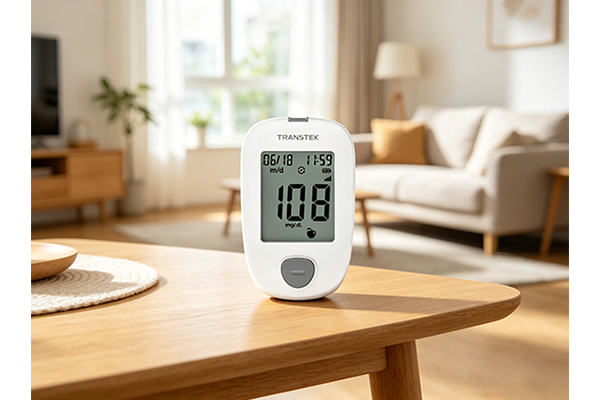
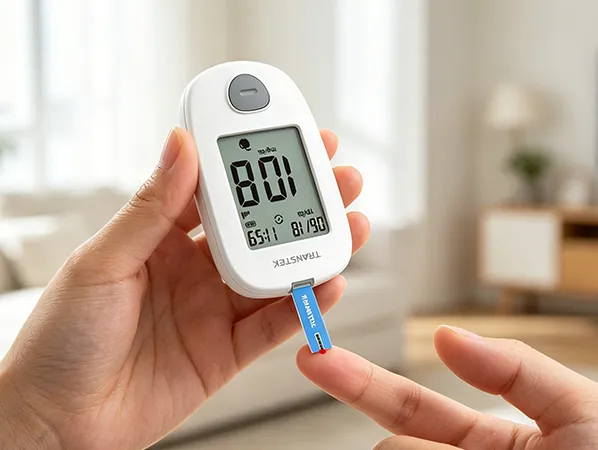
Transtek's TeleRPM BGM Gen 1 is designed for remote diabetes monitoring scenarios where ease of use, reliable connectivity, and automatic transmission of glucose readings are important. For RPM deployment, it provides healthcare organizations with a cellular-enabled blood glucose monitoring option that supports connected monitoring without requiring smartphone-dependent workflows.
The device supports cellular connectivity across major U.S. carriers, including AT&T, T-Mobile, and Verizon, helping healthcare providers receive glucose readings more consistently through connected monitoring workflows. It also supports HCT correction technology across a 20–70% hematocrit range, single-layer 8-electrode test strips, a 0.8 μL blood sample, and 5-second measurement results. These features help reduce testing burden and support a more convenient daily monitoring experience for older adults.
For elderly patients, a simple testing process combined with built-in cellular connectivity helps reduce common barriers associated with smartphone setup, Bluetooth pairing, and manual synchronization. Patients can focus on completing regular glucose testing, while healthcare providers can review glucose trends through the Device Management Dashboard.
For healthcare organizations, cellular connectivity also supports more scalable RPM deployment. Instead of relying on patients to maintain paper records or complete additional sharing steps, care teams can review patient glucose trends through connected monitoring workflows and provide follow-up when clinically appropriate.
As healthcare continues to shift toward remote, value-based, and home-centered care, diabetes monitoring solutions must become easier for patients to use and more efficient for healthcare providers to manage.
For older adults, the most effective glucose monitoring solution is not simply the most advanced technology. It is the device they can use consistently, confidently, and correctly in everyday life. By reducing smartphone dependency and enabling automatic transmission of glucose readings, cellular blood glucose monitoring devices help remove barriers to regular testing and support more effective RPM participation.
For healthcare providers, access to consistent glucose readings supports better trend review, earlier identification of potential concerns, and more informed clinical decision-making. Designed for Remote Patient Monitoring programs, Transtek's cellular blood glucose monitoring solutions help healthcare organizations deliver more efficient, connected, and patient-centered diabetes care for older adults.
+86-0760-88282982