Diabetes treatment plans often change over time. Medication adjustments may be made because of changes in fasting glucose, post-meal readings, A1C results, eating habits, kidney function, body weight, physical activity, or the risk of hypoglycemia. After a medication change, the key question is not simply whether one glucose reading looks better, but whether overall glucose trends are moving in the expected direction over time.
Blood glucose naturally changes throughout the day due to meals, medication timing, physical activity, stress, illness, sleep, and daily routines. Although a single reading may accurately reflect one moment, it cannot fully show how the body is responding to a new treatment plan. One result may be higher after a large meal, while another may be lower following unexpected exercise. Without additional readings for comparison, it is difficult to understand the overall trend.
This is why glucose trend monitoring plays an important role after medication adjustments. Instead of reviewing isolated readings, healthcare providers can evaluate measurements collected over several days or weeks to better understand how glucose levels are changing. For Remote Patient Monitoring (RPM) programs, a 4G blood glucose monitor makes this process more efficient by automatically transmitting readings after each test, reducing delays caused by manual reporting and supporting more consistent follow-up.
The effects of a diabetes medication adjustment are not always visible within a single day. Some patients experience gradual improvement, while others may have glucose readings that fluctuate because of meal timing, exercise, illness, stress, or inconsistent medication use. A short observation period allows healthcare providers to evaluate overall trends instead of reacting to one isolated measurement.
During this observation period, healthcare providers can review whether glucose readings are becoming more stable, whether certain times of day remain difficult to control, or whether new patterns appear after the medication change. This is especially valuable when treatment is intended to improve long-term glucose management rather than correct one individual reading.
For RPM programs, this observation period also helps distinguish clinical concerns from missing home measurements. If readings are incomplete, healthcare providers may not know whether the patient skipped testing, forgot to report results, or experienced interruptions during transmission. A cellular blood glucose monitor helps reduce this uncertainty by automatically transmitting each reading after measurement, providing a more complete picture of home glucose trends.
A single blood glucose reading may be accurate, but it does not always represent the patient's overall condition. Results can be influenced by recent meals, medication timing, physical activity, stress, poor sleep, or temporary illness. Looking at only one measurement makes it difficult to determine whether the result reflects a lasting trend or simply a short-term fluctuation.
For example, one elevated reading after dinner does not necessarily indicate that a treatment plan is ineffective. However, repeated fasting elevations over several mornings may suggest a more meaningful pattern. Likewise, one low reading may be an isolated event, while repeated low readings following a medication adjustment could indicate that additional clinical review is appropriate. Glucose trend monitoring helps distinguish occasional variation from consistent patterns.
This distinction is particularly important after medication changes because every patient responds differently. Some individuals show gradual improvement, while others experience greater day-to-day variability before reaching a stable range. Healthcare providers need enough home glucose readings collected over time to determine whether treatment is progressing as expected or whether additional follow-up may be needed.
Reviewing glucose trends after a medication adjustment involves more than identifying whether readings are high or low. Healthcare providers also evaluate measurement timing, consistency, and the completeness of home glucose records. A connected RPM blood glucose monitor supports this process by making routine home measurements easier to collect through automatic cellular transmission.
Healthcare providers may review:
Fasting glucose readings across multiple mornings
Post-meal readings following regular meal times
Possible hypoglycemia after changes in medication timing
Day-to-day glucose variability
Whether home testing is performed consistently
Whether missing readings make glucose trends difficult to interpret
Together, these observations provide more meaningful information for follow-up. While the device does not make clinical decisions, it helps healthcare providers review glucose trends more efficiently by reducing reliance on handwritten logs and manual reporting.
Traditional glucose follow-up often relies on handwritten logbooks, phone conversations, or photos of meter screens. While these methods can be effective, they also increase the likelihood of delayed or incomplete reporting. Patients may forget to record a measurement, write down an incorrect value, or arrive at follow-up appointments with missing records. After a medication adjustment, these gaps can make it more difficult for healthcare providers to evaluate glucose trends accurately.
A 4G blood glucose monitor helps reduce these challenges by automatically transmitting each reading after measurement. Because readings are sent without requiring manual reporting, healthcare providers can review home glucose trends more consistently throughout the follow-up period. This is particularly valuable after treatment changes, when timely information helps support ongoing clinical assessment.
For patients, automatic transmission reduces the burden of maintaining handwritten logs or remembering to report every reading. They still need to perform glucose testing as instructed, but the reporting process becomes simpler and more consistent. For healthcare providers, fewer missing records can reduce unnecessary follow-up calls and make glucose trend reviews more efficient.
Reliable cellular connectivity is an essential part of remote glucose monitoring, but it is only one part of an effective RPM solution. Patients are more likely to follow their testing routine when the measurement process is simple, and healthcare providers benefit when glucose records remain complete and easy to review.
For post-medication follow-up, an RPM blood glucose monitor should support the entire monitoring workflow—from home measurement and automatic transmission to historical review and glucose trend evaluation. This allows healthcare providers to better understand whether glucose levels are becoming more stable, remaining variable, or showing patterns that may require additional attention.
A well-designed RPM blood glucose monitor should also reduce barriers throughout everyday use. Testing should be straightforward, transmission should occur automatically, and glucose records should remain organized for follow-up review. Together, these features help support more consistent home monitoring and improve the efficiency of remote diabetes management.
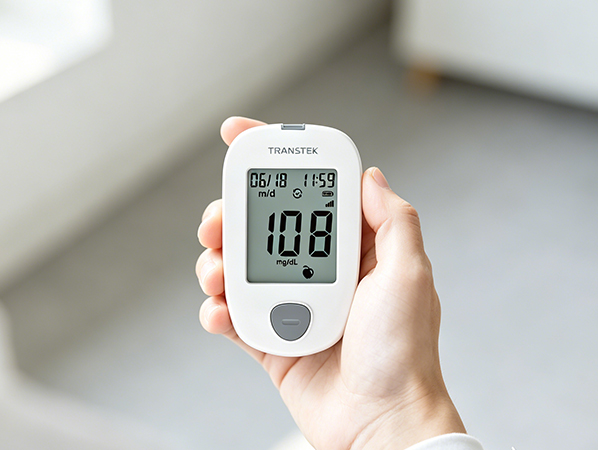
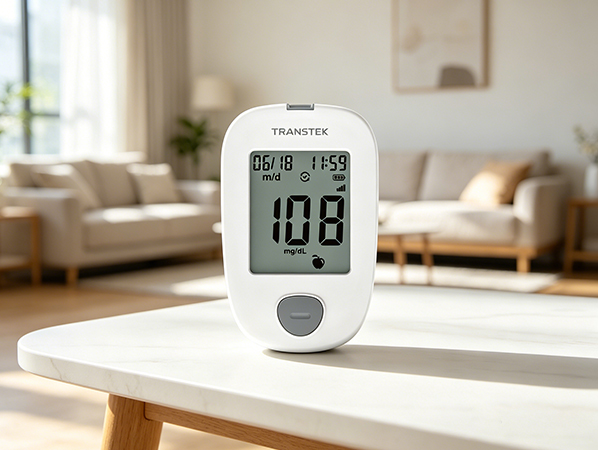
The TeleRPM BGM Gen 1 is designed specifically for Remote Patient Monitoring (RPM) programs. With built-in cellular connectivity, it automatically transmits each glucose reading after measurement without requiring Wi-Fi, smartphone pairing, or manual uploads. Supporting major U.S. carriers, including AT&T, T-Mobile, and Verizon, it helps healthcare providers receive home glucose readings more consistently across a wide range of care settings.
For patients whose diabetes medications have recently changed, automatic transmission simplifies the follow-up process by reducing delays associated with handwritten logbooks or manual reporting. Healthcare providers can review glucose trends more efficiently and compare measurements collected before and after treatment adjustments, helping them better understand how patients are responding over time.
Beyond connectivity, TeleRPM BGM Gen 1 is designed to support reliable home glucose monitoring. It features HCT correction technology, advanced single-layer 8-electrode test strips, requires only a 0.8 μL blood sample, and delivers results in 5 seconds. Combined with automatic cellular transmission, these features help support accurate measurements while making routine testing easier for patients.
Medication adjustments are only one step in diabetes management. Ongoing follow-up is equally important for understanding how treatment performs over time. By combining reliable home measurement with automatic 4G transmission, the TeleRPM BGM Gen 1 helps healthcare providers review glucose trends more consistently and supports more efficient remote diabetes monitoring.
+86-0760-88282982