Remote Patient Monitoring (RPM) is rapidly becoming a cornerstone of modern healthcare delivery, enabling healthcare providers to monitor patients beyond traditional clinical settings. However, scaling RPM programs requires solutions that balance flexibility, cost efficiency, and clinical reliability. Not every patient requires the same level of connectivity or device complexity, making it essential to adopt a more adaptable approach to device deployment.
The TeleRPM Bluetooth Pulse Oximeter is designed to support this need for flexibility. By combining reliable SpO2 monitoring with hub-based Bluetooth connectivity, it enables healthcare providers to build scalable RPM programs that can accommodate diverse patient populations while maintaining operational efficiency.
RPM programs often serve a wide range of patients, from tech-savvy individuals to older adults with limited digital experience. A one-size-fits-all approach can lead to inefficiencies, increased costs, and reduced patient adherence.
When designing RPM programs, healthcare providers must consider multiple factors, including:
Patient digital literacy
Access to connectivity infrastructure
Clinical risk level and monitoring intensity
Budget constraints and scalability goals
Bluetooth devices such as the TeleRPM Pulse Oximeter provide a flexible deployment option. By using a dedicated hub (AnyHub) for data transmission, they offer a practical middle ground between fully independent cellular devices and traditional non-connected tools—enabling connectivity without requiring smartphones or complex setup.
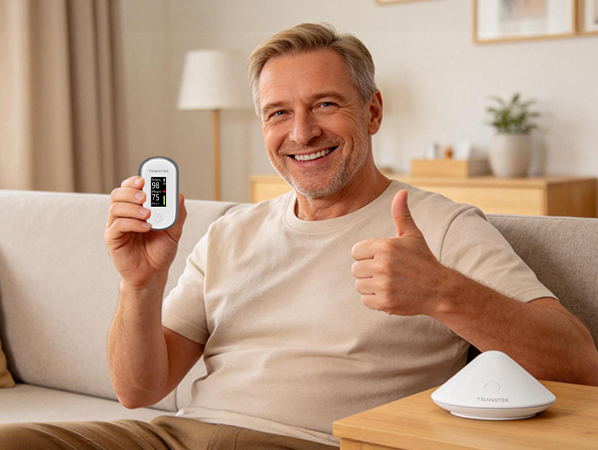
Unlike consumer Bluetooth devices that depend on patient-owned smartphones and apps, the TeleRPM Bluetooth Pulse Oximeter connects exclusively to a dedicated hub (AnyHub). This hub-based architecture ensures consistent and reliable data transmission without requiring patient interaction with mobile devices.
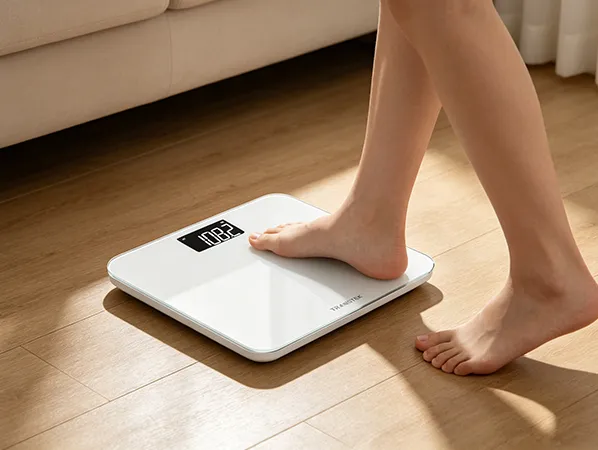
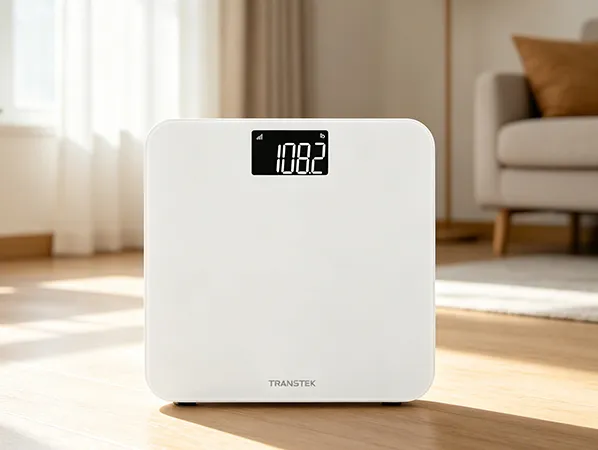
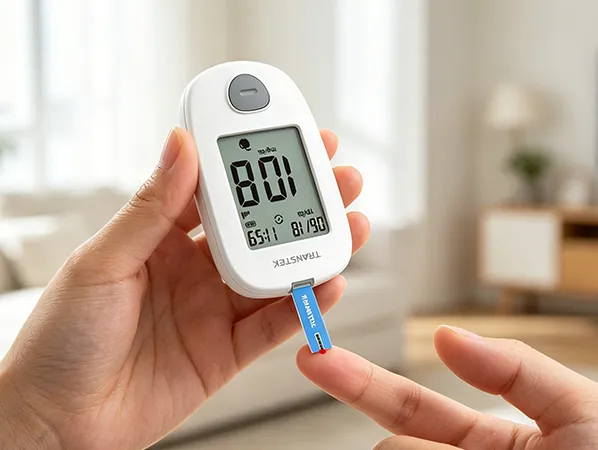
Data collected by the pulse oximeter is transmitted via the AnyHub to RPM platforms, where it becomes available for clinical review. This model enables multiple devices—such as blood pressure monitors, weight scales, and pulse oximeters—to operate within a unified monitoring system through a single hub.
By consolidating data streams into one system, healthcare providers can access comprehensive patient information in one place, improving workflow efficiency and supporting more informed clinical decision-making.
Cost control is a critical consideration for healthcare providers, particularly when expanding RPM programs across large populations. Bluetooth pulse oximeters offer a cost-effective alternative to cellular devices while maintaining reliable performance.
Because connectivity is enabled through a pre-configured hub (AnyHub), this model reduces the need for:
Individual cellular data plans
Device-level connectivity management
Complex onboarding processes
This makes the TeleRPM Bluetooth Pulse Oximeter especially well-suited for:
Large-scale RPM deployments
Health systems managing diverse patient cohorts
Providers seeking to optimize return on investment
By lowering the total cost of deployment, providers can extend remote monitoring services to more patients while maintaining financial sustainability.
Reliable Clinical Performance
Flexibility and cost efficiency must be matched with clinical reliability. The TeleRPM Bluetooth Pulse Oximeter delivers consistent, medical-grade performance, ensuring that clinicians can rely on the data they receive.
Key capabilities include:
Accurate SpO2 measurement across a wide physiological range
Stable readings supported by advanced signal processing
Fast response times for efficient measurement
In chronic respiratory conditions, even small changes in oxygen saturation can indicate meaningful clinical shifts. Reliable data enables healthcare providers to detect these changes early and take appropriate action.
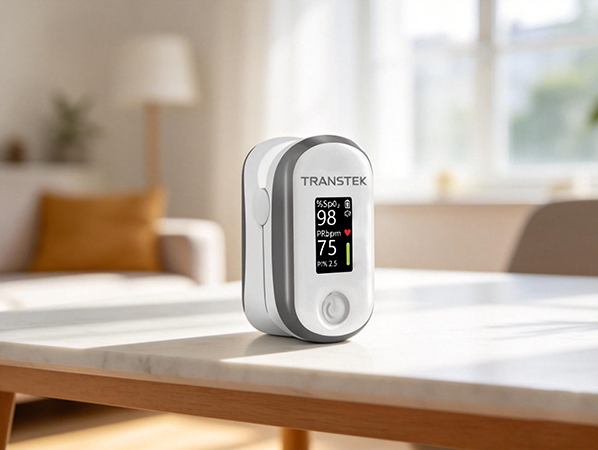
Patient adherence is a key factor in the success of RPM programs. The TeleRPM Bluetooth Pulse Oximeter is designed to simplify the user experience and support consistent daily use.
Key design features include:
Ergonomic fingertip design for comfort
Lightweight construction for portability
One-button operation for ease of use
Clear display for immediate visibility of results
By reducing complexity and user burden, these features help patients incorporate monitoring into their daily routines, leading to more consistent data collection.
Through integration with RPM platform via the AnyHub, healthcare providers can monitor patient data trends, support ongoing engagement, and intervene when necessary.
This model enables providers to:
Track SpO2 trends over time
Identify potential changes in patient condition
Support patient adherence through structured monitoring programs
By shifting engagement to a provider-led model rather than relying on patient-managed apps, this approach supports more consistent data capture and more effective care delivery.
The TeleRPM Bluetooth Pulse Oximeter plays a strategic role in enabling flexible, scalable, and efficient RPM programs. Through its hub-based connectivity model, reliable clinical performance, and user-friendly design, it supports healthcare providers in delivering high-quality care across diverse patient populations.
As healthcare systems continue to evolve toward more distributed and proactive care models, hub-based Bluetooth devices offer a practical and efficient solution—bridging the gap between connectivity, usability, and clinical effectiveness.
+86-0760-88282982