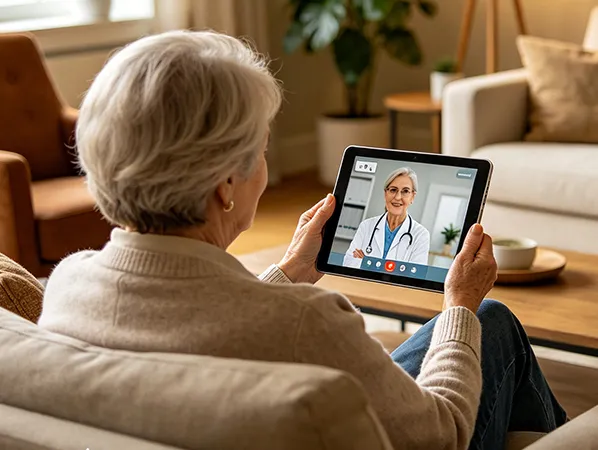
Remote blood pressure monitoring has become an important part of hypertension management, chronic disease care, and home-based follow-up programs. With connected devices, patients can measure blood pressure at home while care teams review readings through Remote Patient Monitoring (RPM) workflows. However, the success of an RPM program depends on more than accurate measurement. It also depends on whether blood pressure readings are delivered consistently to the Device Management Dashboard.
In real home environments, reading transmission is not always reliable. A patient may complete a measurement correctly, but the device may not transmit the reading immediately because of weak cellular signal, temporary network interruptions, or unstable network coverage. While occasional transmission delays may have little impact, repeated missing readings can make it more difficult for care teams to review long-term blood pressure trends.
This is why Smart Retransmission matters in a 4G blood pressure monitor. Instead of treating a failed transmission attempt as the end of the process, Smart Retransmission automatically retries sending readings when connectivity is restored. By improving reading delivery, it helps reduce missing readings, lowers unnecessary manual follow-up, and supports more reliable long-term blood pressure monitoring.
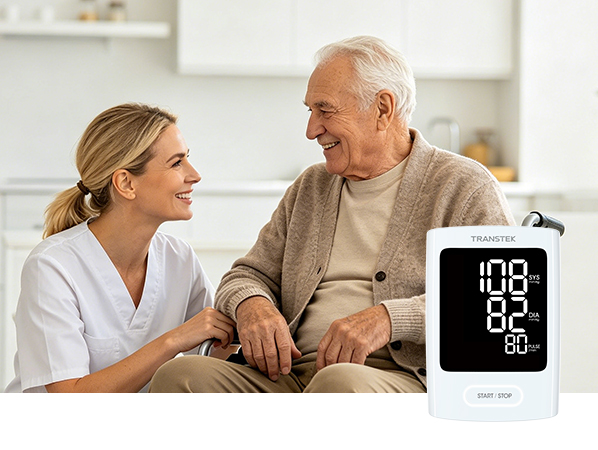
Blood pressure changes throughout the day. Readings may be influenced by medication timing, stress, sleep quality, physical activity, diet, and other health conditions. A single reading provides useful information, but long-term monitoring becomes more meaningful when care teams can compare readings over time.
When readings are missing, the clinical picture becomes less complete. Care teams may not know whether the patient forgot to measure, completed the measurement but the reading was not transmitted, or experienced a temporary connectivity issue. This uncertainty can increase follow-up workload and reduce confidence in the monitoring process.
Missing readings may affect RPM programs in several ways:
Trend review becomes less reliable.
Care teams may need to contact patients more frequently.
Medication or lifestyle follow-up may rely on incomplete measurement history.
Technical support workload may increase.
Patients may become unsure whether the device is working properly.
In a well-designed RPM program, the goal is not only to collect occasional readings. It is to maintain consistent delivery of home blood pressure readings so care teams can review meaningful trends over days, weeks, and months.
Smart Retransmission focuses on what happens after a patient completes a measurement. In remote monitoring, taking the measurement is only the first step. The reading must also reach the Device Management Dashboard so care teams can review it as part of the RPM workflow.
A 4G blood pressure monitor with Smart Retransmission helps improve this process by automatically retrying transmission when the initial attempt is unsuccessful. This is particularly valuable in home environments where cellular signal strength and network availability may change throughout the day.
The practical benefit is fewer missing readings. When blood pressure readings are delivered more consistently, care teams spend less time asking patients to repeat measurements or confirm whether they used the device. Patients also experience greater confidence because the device is designed to improve transmission reliability automatically.
Smart Retransmission does not replace clinical review. Instead, it helps establish a stronger foundation for clinical decision-making by improving reading continuity. When readings are delivered consistently, care teams can more easily determine whether a patient's blood pressure remains stable, shows gradual changes, or requires additional follow-up.
In remote blood pressure monitoring, individual readings have limited value without context. One elevated reading may result from temporary stress or physical activity, while repeated elevations over several days may indicate a pattern that deserves closer attention. Continuous readings help care teams distinguish between isolated events and meaningful trends.
Consistent blood pressure readings help care teams review:
Morning and evening blood pressure patterns
Changes following medication adjustments
Differences between occasional spikes and repeated elevations
Possible gaps in patient adherence
Long-term trends that may not appear during clinic visits
When readings are missing, these patterns become more difficult to interpret. Although occasional gaps may have little impact, repeated missing readings can reduce the overall effectiveness of an RPM program.
For this reason, a 4G blood pressure monitor designed for remote patient monitoring should support both measurement accuracy and reliable reading transmission. Consistent delivery of readings enables care teams to compare results over time and gain better visibility into each patient's blood pressure trends.
Traditional connected blood pressure monitoring often depends on smartphones, mobile apps, Wi-Fi, or manual reporting. While these workflows may work well for some patients, they can create barriers for older adults, individuals managing chronic conditions, and people with limited digital experience.
A 4G blood pressure monitor simplifies this process by using built-in cellular connectivity to automatically transmit readings to the Device Management Dashboard. Patients can focus on taking their measurements without pairing devices, connecting to Wi-Fi, or using a smartphone. When Smart Retransmission is included, the device can automatically retry transmission if a temporary network issue occurs, helping improve delivery reliability.
This reduces unnecessary manual follow-up for care teams. Rather than contacting patients simply because readings did not appear in the Device Management Dashboard, staff can spend more time reviewing blood pressure trends and supporting patients who require clinical attention.
For larger RPM programs, this operational advantage becomes even more important. A few transmission issues may be manageable during a pilot program, but as deployments expand to hundreds or thousands of patients, improving transmission reliability can significantly reduce operational workload.
When selecting a blood pressure monitor for RPM programs, healthcare providers should evaluate how the device handles reading transmission, not only how it measures blood pressure. Measurement accuracy remains essential, but successful remote monitoring also depends on connectivity reliability, patient usability, and consistent reading delivery.
Important questions include:
Does the device automatically transmit blood pressure readings?
Does it reduce dependence on smartphones, mobile apps, or Wi-Fi connections?
Can it support cellular connectivity across major networks?
Does it help reduce missing readings after unsuccessful transmission attempts?
Can readings be delivered to the Device Management Dashboard for RPM workflows?
Is the device simple enough for patients to use consistently at home?
Can the solution support deployment across large patient populations?
These considerations help determine whether a smart blood pressure monitor can perform effectively in real-world home monitoring environments. A reliable RPM device should simplify the patient experience while helping healthcare providers receive more consistent blood pressure readings for ongoing review.
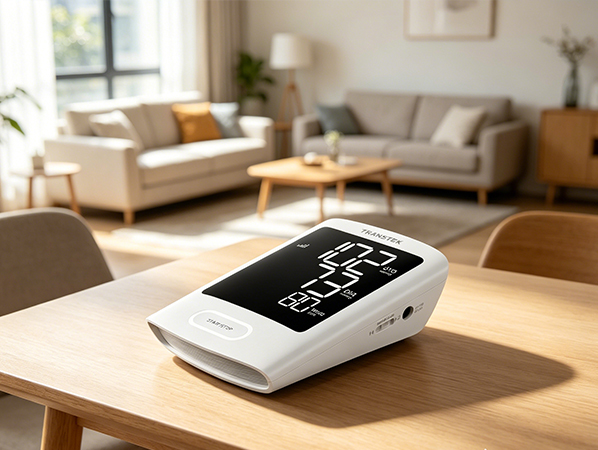
Transtek TeleRPM BPM Gen 2 Plus is designed for RPM blood pressure monitoring programs that require reliable cellular connectivity and broad patient usability. As a 4G blood pressure monitor, it features built-in cellular connectivity and supports major U.S. networks, including T-Mobile, Verizon, and AT&T.
Its Smart Retransmission feature helps improve reading delivery by automatically retrying transmission when connectivity issues occur. By reducing missing readings caused by temporary network interruptions, the device supports more reliable remote blood pressure monitoring workflows and helps healthcare providers maintain better visibility into patient trends.
TeleRPM BPM Gen 2 Plus also supports a wide cuff size range from 16 cm to 52 cm, allowing RPM programs to serve diverse patient populations with greater flexibility. Broad cellular compatibility and intelligent network management further improve reliability in everyday home environments.
For Transtek, the value of an RPM blood pressure monitor extends beyond measuring systolic and diastolic pressure. It is also about helping home measurements become consistent and actionable insights for remote care programs. By combining cellular connectivity, Smart Retransmission, automatic transmission, and flexible cuff options, Transtek TeleRPM BPM Gen 2 Plus supports more reliable remote blood pressure monitoring for modern chronic care management.
+86-0760-88282982