The global healthcare landscape is at a critical inflection point. For decades, the hospital-centric model, where care is delivered within physical facilities, has been the gold standard. However, this model is increasingly unsustainable. Rising operational overheads, chronic staffing shortages, and the staggering costs of inpatient stays have forced providers and policymakers to seek a more efficient alternative.
Enter the "Hospital at Home" (HaH) model, powered by Remote Patient Monitoring (RPM) and telehealth. This paradigm shift doesn't just offer a more comfortable environment for the patient; it fundamentally redefines the economics of healthcare. By leveraging connected medical devices, healthcare systems are discovering that they can deliver hospital-grade care at a fraction of the traditional cost.
To understand the future, we must acknowledge the financial strain of the present. Traditional inpatient care is characterized by high fixed costs. Maintaining a hospital bed involves not just the physical space, but utilities, 24/7 administrative staffing, specialized maintenance, and the immense costs associated with patient accommodation and support services.
According to the Taskforce on Telehealth Policy (TTP), convened by the National Committee for Quality Assurance (NCQA), the American Telemedicine Association, and the Alliance for Connected Care, the impact of telehealth on total cost of care is a primary concern for the industry. Their findings suggest that while telehealth can increase the volume of services, its true value lies in its ability to act as a substitute for high-cost settings, namely, emergency rooms and inpatient wards.
When a patient is admitted for a condition that could be managed remotely, such as a COPD flare-up or congestive heart failure (CHF) monitoring, the system incurs thousands of dollars in avoidable expenses. The HaH model, underpinned by RPM, targets these specific inefficiencies.
In a traditional hospital setting, the cost of a bed is largely fixed. Whether the bed is occupied by a high-acuity patient or someone recovering slowly, the overhead remains the same.
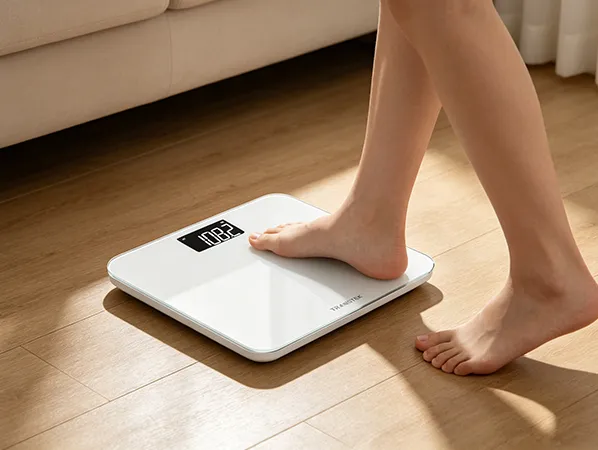
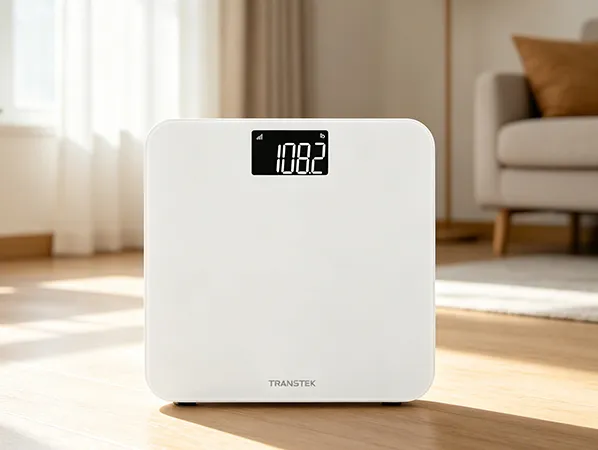
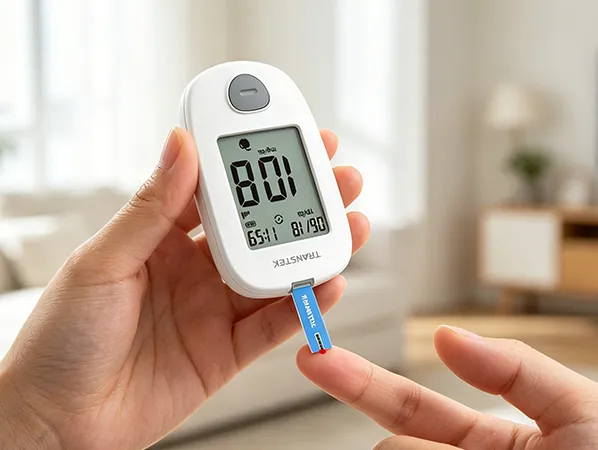
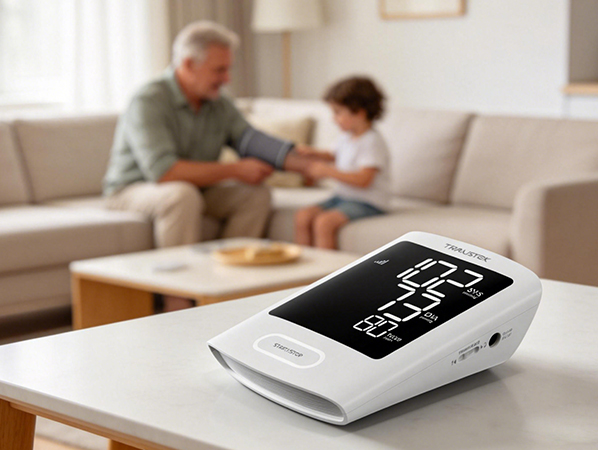
The HaH model converts these fixed costs into variable ones. By deploying RPM kits, including cellular blood pressure monitors, pulse oximeter, and weight scale, providers only incur costs for the duration of the patient’s acute episode. Leading manufacturers like Transtek have pioneered the development of medical-grade RPM devices that are plug-and-play, meaning these devices connect directly to cellular networks. This removes the need for expensive in-hospital infrastructure and reduces the burden on the patient to provide high-speed internet or complex setups.
Hospital readmissions are one of the most significant financial leaks in the healthcare system. Under the Hospital Readmissions Reduction Program (HRRP), facilities face stiff financial penalties from CMS (Centers for Medicare & Medicaid Services) if patients return within 30 days of discharge for specific conditions.
The NCQA’s Taskforce findings emphasize that telehealth and RPM are essential for post-discharge success. By monitoring vitals in real-time after a patient leaves the hospital, providers can catch early warning signs—such as a sudden weight gain in a CHF patient—and intervene through virtual care before the situation escalates into an emergency. This proactive approach ensures that HaH is not just a temporary extension of care, but a continuous safety net that protects the facility’s bottom line.
Labor represents over 50% of hospital operating costs. The nursing shortage has exacerbated this.
RPM reshapes labor costs by allowing one nurse to monitor dozens of patients simultaneously via a centralized dashboard. Instead of physically moving from room to room to check vitals, clinicians receive automated alerts only when a patient’s data falls outside of a preset range. This is a management-by-exception model maximizes the efficiency of the clinical workforce.
Furthermore, by integrating reliable hardware from partners like Transtek, providers ensure that the data flowing into their systems is accurate and consistent. Transtek’s commitment to medical IoT excellence means fewer false alarms caused by faulty hardware, which in turn reduces clinician fatigue and prevents unnecessary and costly diagnostic follow-ups.
A common skepticism regarding HaH is whether it sacrifices quality for cost. However, the NCQA Taskforce on Telehealth Policy highlights that the Total Cost of Care is inextricably linked to quality of care.
The TTP findings suggest that telehealth and RPM can actually improve quality by:
Increase patient access by enabling patients in remote areas or those with mobility issues can receive specialist consultations without the cost of medical transport.
Enhance data continuity by providing continuous monitoring provides a more comprehensive picture of a patient’s health than a single "snapshot"reading taken in a stressful clinical environment.
Encouraging Patient Self-Management: When patients see their own data in real-time, they are more likely to adhere to treatment plans, leading to better outcomes and lower long-term costs.
The NCQA emphasizes that for these benefits to be realized, the technology must be seamless. This is where the hardware layer becomes critical. The reliability of the device determines the integrity of the data. Transtek, with its extensive experience in OEM/ODM for medical devices, provides the foundational hardware that allows healthcare systems to meet these NCQA-backed quality standards. Their devices, ranging from smart blood pressure monitors to integrated health mirrors, are designed with the patient’s ease of use in mind, ensuring high adherence rates.
One of the key points raised in the NCQA resource is the potential for telehealth to increase total costs if it is simply used as an additional layer of care rather than a replacement for more expensive interventions.
To ensure the HaH model remains cost-effective, providers must focus on Value-Based Care (VBC). In a VBC model, providers are rewarded for keeping patients healthy and out of the hospital, rather than for the number of tests they perform. RPM provides the data necessary to prove that home-based interventions are working, allowing providers to negotiate better reimbursement rates with payers based on demonstrated cost savings and improved patient outcomes.
A HaH program is only as strong as its weakest link. If an RPM device fails to transmit data or provides an inaccurate reading, the cost-saving model is compromised. An incorrect high blood pressure reading could trigger an unnecessary ER visit, immediately erasing the savings of the entire program. This is why choosing a technology partner like Transtek is a strategic financial decision.
Precision and Compliance: Their products meet rigorous international medical standards, ensuring that the data used for clinical decisions and reimbursement claims is bulletproof.
Seamless Integration: For HaH to work, devices must integrate with existing EHR (Electronic Health Record) systems. Transtek’s smart devices are built to facilitate this flow of information, reducing administrative time and data entry errors.
User-Centric Design: If a device is too hard to use, the patient won't use it. Transtek emphasizes intuitive design, which is crucial for the elderly demographic most likely to utilize HaH services.
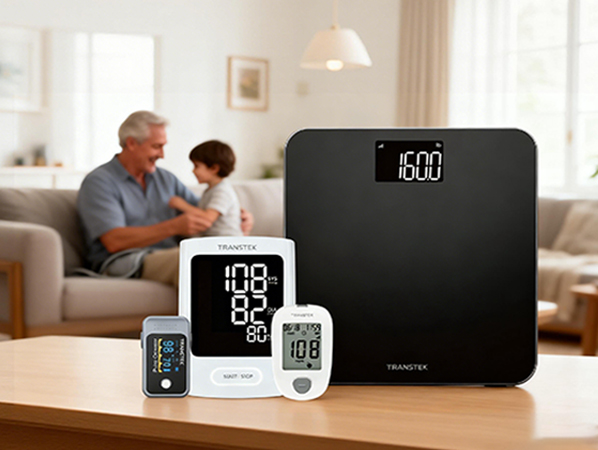
Remote patient monitoring is one of the most effective tools for reducing inpatient care costs in Hospital at Home programs. The NCQA Taskforce recommends that to fully harness the cost-saving power of telehealth, we must move toward permanent, stable reimbursement policies. As these policies solidify, the HaH model will move from a niche alternative to a mainstream standard.
For healthcare providers, the message is clear: the transition to remote care is no longer optional. The financial viability of future healthcare facilities depends on their ability to de-hospitalize low-to-medium acuity care. By adopting a robust RPM strategy, utilizing the expertise of the Transtek team and following the evidence-based guidelines provided by organizations, providers can achieve the triple aim: better care for individuals, better health for populations, and significantly lower costs.
The future of "Hospital at Home" is about the decentralization of care. By removing the physical constraints of the hospital, we allow healthcare to be more agile, more patient-centric, and significantly more cost-effective.
As we have explored, RPM is the catalyst for this change. It reduces overhead, prevents readmissions, and optimizes the workforce. However, the success of this model hinges on the quality of the tools used. By partnering with RPM companies like Transtek for medical-grade hardware and adhering to the quality frameworks established by the NCQA, the healthcare industry can finally address rising healthcare costs while elevating the standard of patient care to new heights.
+86-0760-88282982