Chronic respiratory conditions such as COPD (Chronic Obstructive Pulmonary Disease) and asthma require consistent monitoring to maintain quality of life and reduce the risk of severe flare-ups. One of the most effective and accessible tools for this purpose is the pulse oximeter. Modern solutions like the TeleRPM Pulse Oximeter are transforming the way patients and healthcare providers manage respiratory health, providing accurate and real-time insights without the need for frequent clinic visits.
Here are the top five benefits of using a pulse oximeter for COPD and asthma management—and why the TeleRPM device stands out as a reliable choice.
For individuals living with COPD or asthma, maintaining adequate oxygen saturation is critical. A pulse oximeter provides immediate readings of blood oxygen levels, alerting patients to early signs of hypoxemia. With the TeleRPM Pulse Oximeter, results are automatically transmitted to healthcare providers, ensuring that any concerning drop in oxygen levels is addressed promptly. This real-time insight can prevent minor issues from escalating into medical emergencies.
.jpg "Top 5 Benefits of Pulse Oximeters in COPD and Asthma Care")
Asthma and COPD patients often experience sudden flare-ups triggered by environmental factors, stress, or illness. Monitoring oxygen levels regularly with a pulse oximeter allows patients to detect subtle changes before symptoms become severe. The RPM device empowers patients to act quickly—whether it's adjusting medication, using an inhaler, or contacting a doctor. Early intervention significantly reduces the risk of hospitalization.
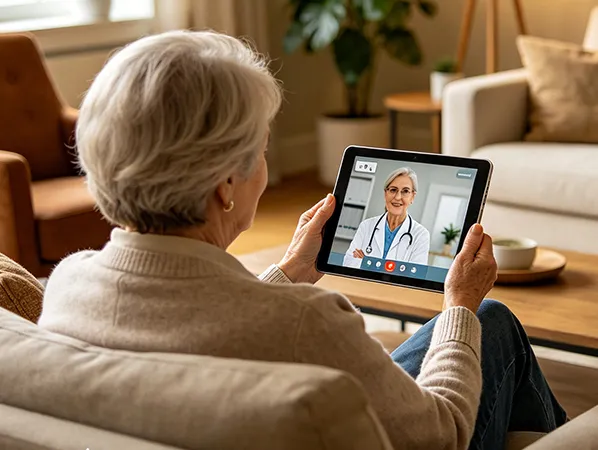
Traditional clinic visits provide only a snapshot of a patient’s condition, whereas COPD and asthma management requires continuous monitoring. The TeleRPM Pulse Oximeter automatically transmits readings via a secure cloud platform, enabling physicians to track long-term trends. With better visibility into patient data, doctors can make more informed decisions, personalize treatment plans, and deliver the right level of care.
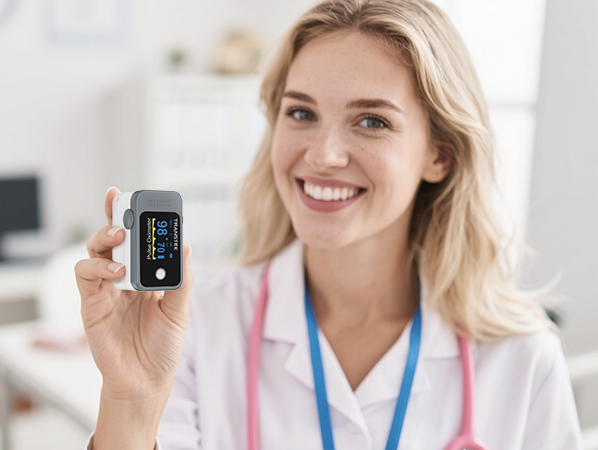
Living with a chronic respiratory condition can cause anxiety, especially when patients feel uncertain about their health status. Regular monitoring with a pulse oximeter offers peace of mind by providing tangible data. With TeleRPM's automated reporting, patients know their health is being monitored even outside the clinic. This reassurance improves overall confidence, encourages adherence to treatment, and helps patients live more independently.
By enabling early detection of complications and better self-management, pulse oximeters can significantly reduce the need for emergency room visits and hospital admissions. The TeleRPM Pulse Oximeter not only supports patients in managing their condition at home but also helps healthcare systems reduce costs associated with avoidable hospitalizations. For both patients and providers, this represents a win-win solution.
Final Thought: The pulse oximeter is more than just a small device—it's a powerful tool for managing COPD and asthma effectively. With TeleRPM's advanced features, patients gain access to real-time monitoring, better communication with their care teams, and the confidence to manage their condition proactively. By adopting the RPM Oximeter, both patients and healthcare providers take an important step toward safer, smarter, and more efficient chronic disease management.
+86-0760-88282982