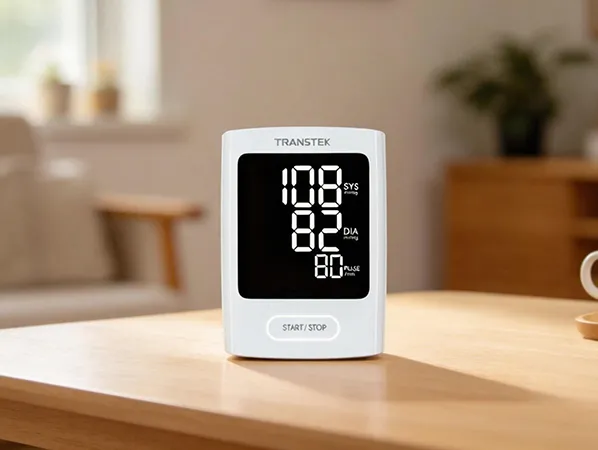
In a world where healthcare is rapidly shifting to the home and the digital sphere, cellular-connected blood pressure monitors are emerging as a critical tool in hypertension care and chronic disease management. Unlike traditional monitors that require manual recording or smartphone connectivity, a cellular-connected blood pressure monitor sends readings directly to a clinician’s dashboard via cellular networks (4G/LTE). This enables automatic, real-time transmission of vital data without the need for Wi-Fi, apps, or patient intervention.
At its core, a cellular BPM includes a cuff and a sensor unit that measure systolic and diastolic pressures and pulse rate. The device processes this information and transmits it through cellular connectivity to a remote monitoring platform. As part of a remote patient monitoring (RPM) ecosystem, these devices support improved clinical decision-making and ongoing patient engagement.
Cellular models are particularly valuable in scenarios where patients might not have reliable internet access or technical proficiency, making them ideal for large-scale RPM deployments in chronic disease management programs.
Hypertension is one of the most pervasive chronic conditions globally and a leading risk factor for heart disease, stroke, and other serious health issues. Despite its prevalence, traditional clinic-based blood pressure measurement can lead to inaccurate diagnoses due to “white coat syndrome,” inconsistent measurement conditions, and episodic testing. This limits the effectiveness of hypertension management programs and can delay necessary treatment adjustments.
Cellular blood pressure monitors allow patients to measure their blood pressure at regular intervals in their natural environment, whether at home, at work, or on the go. This creates a series of consistent readings that reveal true blood pressure trends, rather than isolated snapshots collected only during in-person visits. Providers can analyze these longitudinal data to make better clinical decisions and tailor treatment plans more effectively.
Frequent, consistent readings help overcome limitations associated with intermittent clinical measurements. This empowers clinicians to:
Detect masked hypertension
Identify morning or nocturnal patterns
Adjust medication in a timely manner
Better stratify cardiovascular risk
Cellular connectivity for remote monitoring removes technical barriers to capturing and transmitting data. Patients no longer need to worry about pairing with Bluetooth devices or opening apps to upload readings. As a result, patients are more engaged, as the process is simple and unobtrusive. Better engagement translates directly into improved adherence to monitoring schedules—an essential factor in effective hypertension care.
With cellular transmission, clinicians receive readings nearly in real time. This enables earlier detection of blood pressure trends that might signal worsening control, medication failure, or emergent conditions. Early detection supports proactive care adjustments before complications arise.
For example, if a patient’s systolic pressures trend upward over multiple consecutive days, a provider can intervene with dietary guidance, medication adjustments, or scheduled follow-up before a costly emergency occurs.
Remote blood pressure monitoring reduces the need for frequent in-office visits, lowers the risk of hospitalizations, and supports preventive care models. Studies indicate that widespread adoption of RPM for hypertension can yield significant healthcare savings and improve public health outcomes over time.
By integrating cellular blood pressure monitors into standardized care protocols, healthcare providers can shift from episodic measurement to continuous care, better aligning with value-based care initiatives and chronic disease management goals.
As connected health technologies continue to evolve, both cellular-connected and Bluetooth-enabled blood pressure monitors play important roles in remote patient monitoring. Each connectivity model supports different patient populations, care settings, and program designs. Understanding how these technologies differ helps healthcare providers and solution partners select the right tool for specific clinical and operational needs.
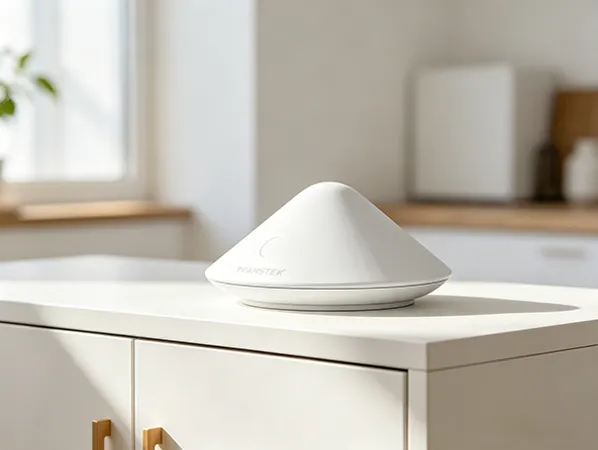
Cellular blood pressure monitors are equipped with integrated LTE/4G connectivity or operate through a cellular gateway, enabling readings to be transmitted directly to secure cloud platforms or clinician dashboards. Because cellular connectivity does not rely on smartphones, apps, or home Wi-Fi networks, it offers a highly independent deployment model.
This approach is particularly well suited for large-scale RPM programs, older adult populations, and patients who may have limited access to digital infrastructure. By minimizing setup steps and reducing reliance on patient-owned technology, cellular BP monitors support consistent data flow and simplified program management. These characteristics make cellular connectivity an effective option for healthcare providers prioritizing ease of use, predictable data transmission, and broad population coverage.
Bluetooth blood pressure monitors remain a widely adopted and valuable option, especially in consumer health and hybrid RPM models. These devices pair with smartphones, tablets, or hubs and transmit data through mobile apps using Wi-Fi or cellular data connections. For digitally engaged patients who are comfortable using smartphones and managing apps, Bluetooth monitors offer flexibility and accessibility.
Bluetooth-enabled devices integrate easily into mobile health ecosystems, allowing patients to view readings in companion apps, receive reminders, and interact with broader wellness tools. This connectivity model is often well suited for self-monitoring, wellness programs, and RPM deployments where patients already use smartphones as part of their daily routine.
In many cases, Bluetooth solutions provide an effective balance between functionality, user engagement, and cost, making them an important component of a diversified RPM device portfolio.
Many healthcare organizations deploy both depending on patient needs and program goals. Cellular solutions emphasize independence and operational simplicity, while Bluetooth solutions emphasize flexibility and patient interaction through mobile platforms.
Among the options available today, Transtek’s cellular-connected blood pressure monitors stand out for their combination of clinical validation, ease of use, and consistency of data transmission. TeleRPM BPM Gen 2 Plus is purpose-built to support remote patient monitoring without technical hurdles.
One of the most significant advantages of Transtek’s cellular monitor is the true plug-and-play capability. Unlike Bluetooth models that require apps and pairing, Transtek’s cellular blood pressure monitors for remote patient monitoring work immediately out of the box, with all readings automatically sent via cellular connectivity through an integrated or accompanying gateway.
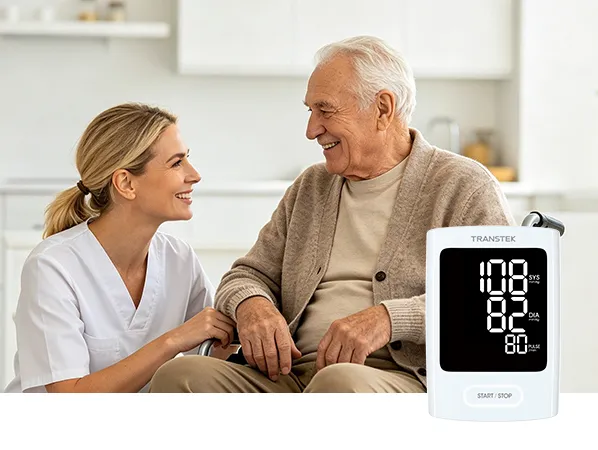
Transtek’s cellular automatic blood pressure monitors are designed to accommodate patients of all ages and digital skill levels by simplifying setup and removing most user-dependent steps. This makes the TeleRPM blood pressure monitor especially suitable for:
Patients with hypertension requiring consistent measurement trends
Older adults or individuals with limited comfort using smartphones
Patients with chronic conditions enrolled in long-term RPM programs
TeleRPM BPM Gen 2 Plus has undergone clinical validation and has been engineered for accuracy. It measures systolic pressure, diastolic pressure, and pulse rate.
Additional features include irregular heartbeat detection and body motion detection—both of which enhance data quality by minimizing artifacts caused by user movement or arrhythmic beats.
Transtek’s RPM cellular monitor is designed to work across major network carriers and deliver reliable connectivity over cellular networks. The device supports consistent uploads even in areas without strong Wi-Fi, delivering readings securely to RPM platforms.
This capability is essential for clinical continuity, as it reduces manual troubleshooting, minimizes missed transmissions, and supports reliable trend analysis and clinical oversight.
Additionally, the monitor can store readings locally and resend them when the network becomes available, further strengthening data reliability.
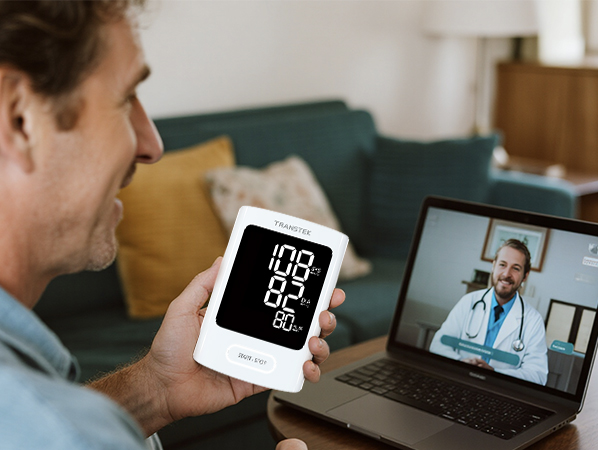
Once cellular readings are transmitted, they can be viewed via secure RPM dashboards by clinicians and, if enabled, by patients themselves. This remote access empowers both parties to:
Track longitudinal blood pressure trends
Monitor treatment response
Identify risk patterns
Support personalized care decisions
Integration with patient portals, clinician dashboards, and healthcare IT systems streamlines chronic disease management workflows.
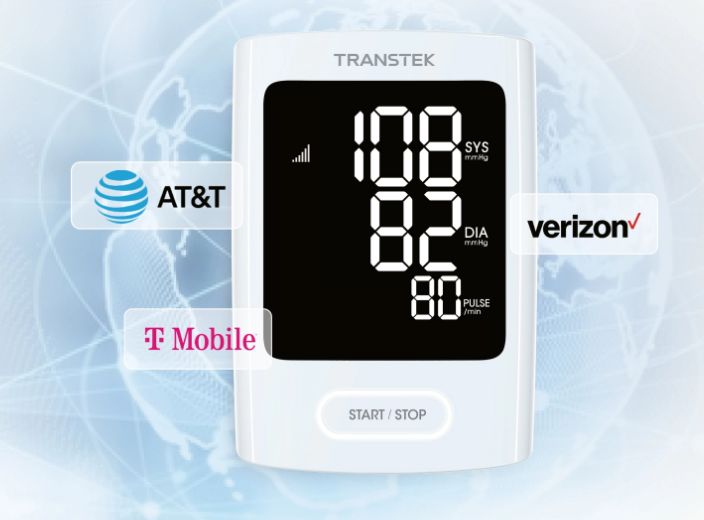
Cellular-connected blood pressure monitors represent a significant advancement in hypertension care and remote patient monitoring. By eliminating dependencies on apps, smartphones, and Wi-Fi networks, these devices ensure reliable, automatic data transmission, improving clinical accuracy, patient engagement, and program scalability.
When compared with Bluetooth-based monitors, cellular-connected solutions stand out for their simplicity, reliability, and adherence potential. Transtek’s cellular-connected blood pressure monitor family exemplifies these advantages through plug-and-play deployment, medical-grade accuracy, robust connectivity, and seamless clinician access.
For healthcare providers seeking to improve chronic disease outcomes, enhance preventive care, and support value-based care initiatives, cellular BP monitors are not just a technology upgrade—they are a fundamental part of future-ready care delivery.
A cellular-connected blood pressure monitor sends readings directly over a cellular network (such as LTE/4G) to remote patient monitoring platforms without requiring Wi-Fi, smartphone apps, or local hubs.
No. One of their biggest advantages is that they function without a smartphone, app, or home Wi-Fi network, making them ideal for seniors and patients without access to modern technology.
Accuracy depends on the specific device, but cellular monitors designed for clinical RPM are validated to medical standards and often provide more reliable clinical continuity due to fewer connectivity failures.
Data transmitted over cellular networks uses encryption protocols to protect privacy and meet healthcare data security standards. Secured RPM platforms further protect readings and ensure compliance with patient privacy considerations.
Yes. Many cellular monitors buffer readings locally and automatically resend them when the cellular connection is reestablished, reducing data loss.
+86-0760-88282982