As home health monitoring becomes increasingly important—especially for seniors, recovering patients, and individuals managing chronic respiratory or cardiovascular conditions—the pulse oximeter has become one of the most practical tools to keep at home.
Providing real-time measurements of blood oxygen saturation (SpO₂) and heart rate, it enables earlier detection of potential issues and more informed decisions in daily care.
Here’s how a pulse oximeter—particularly one from TeleRPM—can support your family’s health.
Oxygen is vital for every organ in the body. When oxygen saturation drops below normal levels, it can indicate problems such as respiratory infections, lung disease, cardiovascular issues, sleep disorders, or post-viral complications.
A home Pulse Oximeter helps you:
Detect early signs of oxygen decline
Monitor conditions such as asthma, COPD, pneumonia, or long COVID
Track recovery after surgery or respiratory illness
Know when to seek medical attention
Identify nighttime or activity-related fluctuations
For caregivers, especially those supporting elderly family members, continuous awareness of oxygen levels means greater confidence and faster response in emergencies.
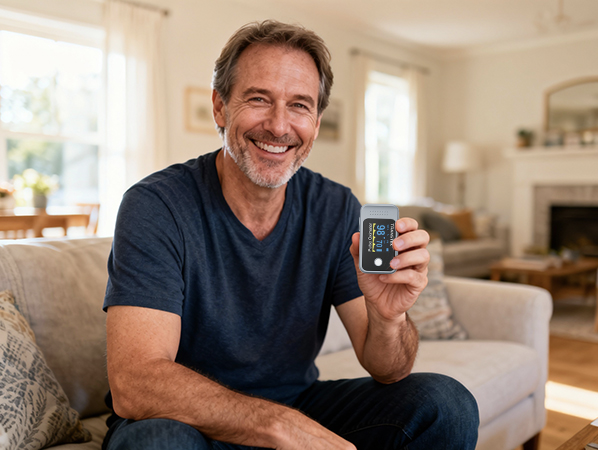
In addition to oxygen saturation, a Pulse Oximeter displays pulse rate, offering another important piece of health information.
Monitoring heart rate at home helps you:
Recognize abnormal rhythms
Track how the body responds to medication
Understand stress-related or activity-related changes
Detect early signs of cardiovascular strain
Support chronic disease management
A sudden increase or decrease in heart rate—paired with changes in oxygen levels—can signal the need for further evaluation or immediate support. With simple and quick readings, a Pulse Oximeter becomes a powerful daily health companion.
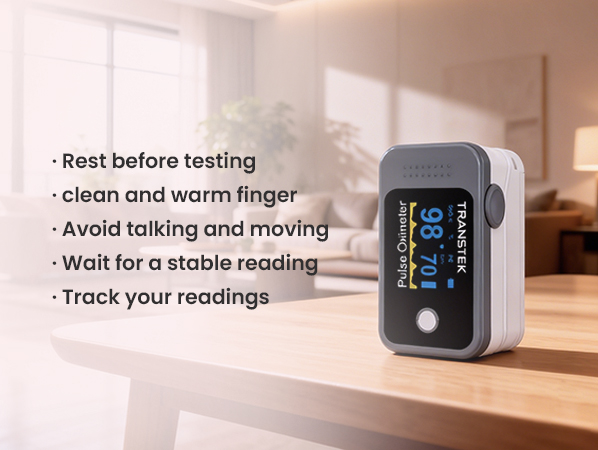
Using a Pulse Oximeter is simple, but following a few best practices ensures accurate readings:
Sit still for at least 1 minute. Movement can affect accuracy.
Cold fingers reduce blood flow and may cause incorrect results.
Avoid talking or moving your hands.
Values may fluctuate for a few seconds—take the value once it stabilizes.
Record oxygen levels and heart rate, or use a device that automatically stores data.
if oxygen saturation drops below 95% or if heart rate is significantly higher or lower than usual, consider contacting a healthcare provider for guidance.
TeleRPM designs medical-grade devices that combine accuracy, simplicity, and ease of use—making them perfect for home caregiving settings.
Fast, reliable readings of SpO₂ and pulse rate
User-friendly design suitable for seniors and beginners
Comfortable fingertip clip for painless measurement
Bright, readable display for low-light or nighttime monitoring
Consistent accuracy, even during long-term use
Optional data-upload functions (in select models) for continuous remote patient monitoring
With TeleRPM, caregivers can feel confident they're getting trustworthy data that supports better decision-making and timely medical intervention.
A Pulse Oximeter is one of the simplest yet most powerful tools you can have at home. Whether you're monitoring chronic conditions, supporting an elderly loved one, or managing recovery after illness, this device provides essential insights into oxygen levels and heart rate—helping you stay alert to changes before they become serious.
With an accurate and easy-to-use device like the one from TeleRPM, home caregiving becomes more informed, more efficient, and more reassuring for the entire family.
+86-0760-88282982