In many households today, health management is no longer limited to occasional doctor visits or annual physical exams. Families are becoming more proactive about managing health at home, especially as awareness grows around hypertension, cardiovascular disease, and preventive care. Among various home healthcare devices, blood pressure monitors are becoming increasingly important tools for long-term household health monitoring.
Many individuals are unaware that their blood pressure is elevated until symptoms become more noticeable or cardiovascular risks increase over time. Because of this, regular monitoring has become increasingly important not only for individuals diagnosed with hypertension, but also for families seeking greater awareness of long-term cardiovascular health.
Cellular blood pressure monitor is helping support more consistent home monitoring routines by simplifying measurement and enabling automatic reading transmission. These devices can help households establish more sustainable monitoring habits across different age groups and levels of technical experience.
Health habits are often influenced by daily household routines. Eating patterns, physical activity, sleep schedules, stress levels, and attitudes toward healthcare are frequently shaped by family environments. When families collectively prioritize home health monitoring, individuals may be more likely to maintain long-term healthy behaviors.
Blood pressure monitoring is particularly suitable for family health management because elevated blood pressure risk affects multiple age groups. While older adults remain the highest-risk population, younger adults are also increasingly experiencing elevated blood pressure associated with stress, sedentary work, poor sleep quality, and dietary habits.
In many households, family members also share similar lifestyle-related risk factors. Homes with high sodium intake, limited physical activity, or ongoing stress may see multiple individuals experiencing elevated blood pressure risks over time. Regular monitoring may help families recognize these patterns earlier and encourage healthier lifestyle adjustments together.
Home monitoring may also encourage more open discussions about health, helping family members pay greater attention to changes in blood pressure and overall cardiovascular wellness.
One reason many individuals struggle with long-term home monitoring is inconsistency. Devices that are difficult to operate or require complicated setup processes are often used less frequently over time. Establishing successful home monitoring routines requires simplicity and convenience. The easier the process becomes, the more likely household members are to participate regularly.
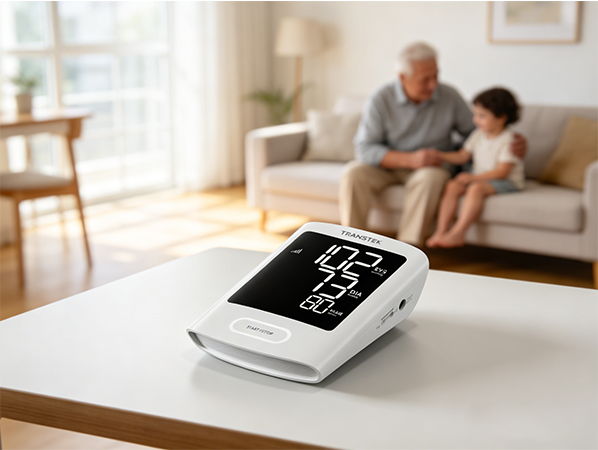
The TeleRPM blood pressure monitor is designed to support consistent daily use. Its one-button operation and large display simplify the measurement process for users of different ages and varying levels of experience with technology. Instead of navigating mobile apps or manually recording results, users can complete measurements quickly and comfortably at home.
Many households establish routines around morning or evening monitoring schedules. For example, some family members may measure blood pressure before breakfast, while older adults may check readings after daily medication schedules. Over time, these routines can become a more consistent part of everyday home health management rather than occasional health tasks.
Modern households often include multiple generations living together or maintaining close daily contact. In these situations, home blood pressure monitoring can support broader health awareness across the household.
For older adults, regular monitoring may help track blood pressure changes associated with hypertension management over time.
For middle-aged adults balancing work and family responsibilities, monitoring may help identify changes in blood pressure patterns linked to stress and lifestyle habits.
Younger adults may also benefit from understanding how sleep quality, caffeine intake, physical activity, and stress can influence blood pressure readings.
The TeleRPM blood pressure monitor supports household use through a simplified workflow and integrated 4G connectivity. Because readings are transmitted automatically without requiring smartphones or Wi-Fi setup, the device helps reduce technical barriers that may discourage elderly users or individuals less familiar with mobile technology. This simplified process allows the monitor to fit more naturally into everyday home monitoring routines.
One limitation of traditional healthcare is the time between clinic visits. Blood pressure may fluctuate significantly over days or weeks, while healthcare providers often rely on occasional office measurements that may not fully reflect home conditions or daily routines.
Home blood pressure monitoring helps provide a broader view of blood pressure trends over time. cellular devices can further support this process by automatically transmitting readings to devices management platform, allowing healthcare providers to review measurement trends remotely when appropriate.
For households managing chronic conditions, continuous monitoring may support more consistent communication with care teams. Instead of relying on memory or handwritten notes, patients and healthcare providers can reference long-term measurement records when discussing blood pressure trends. This may be particularly useful for individuals recently diagnosed with hypertension or those adjusting long-term management routines.
One important benefit of home blood pressure monitoring is that it encourages greater awareness of how daily habits may affect cardiovascular health. Rather than waiting until symptoms become more noticeable, families may become more attentive to long-term health management through regular monitoring routines.
Home monitoring often encourages healthier daily habits over time. Family members may begin paying closer attention to sodium intake, physical activity, hydration, stress management, and sleep quality after observing how these factors may influence blood pressure readings.
Children and younger adults may also benefit from growing up in environments where home health monitoring is viewed as a normal part of long-term health management. This familiarity may help encourage healthier habits later in life.
Cellular monitoring devices support this preventive approach by making home monitoring easier to incorporate into consistent daily routines.
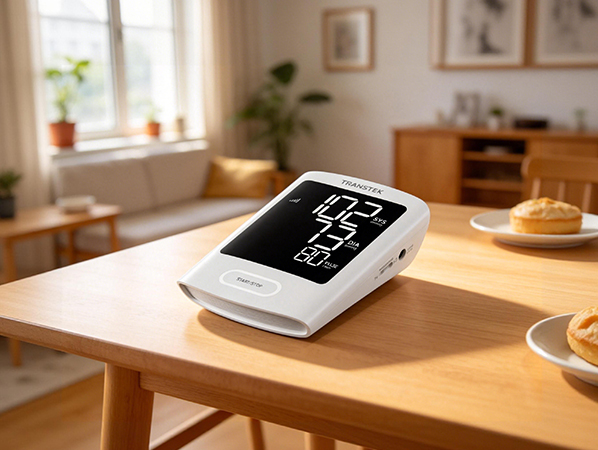
As healthcare increasingly shifts toward home-based and preventive care models, 4G blood pressure monitor is becoming more common in family health management routines. Home blood pressure monitoring is no longer limited to hospitals or elderly care settings. It is increasingly becoming part of everyday long-term health awareness for households of different age groups.
The TeleRPM blood pressure monitor reflects this shift by combining user-friendly operation with integrated 4G connectivity for simplified remote monitoring support. By helping households establish more consistent monitoring routines, improve awareness of blood pressure changes, and support long-term home monitoring, cellular blood pressure devices are playing a growing role in modern home healthcare environments.
+86-0760-88282982