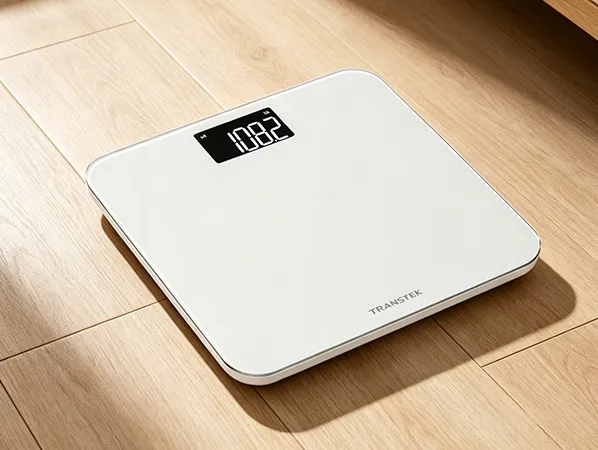
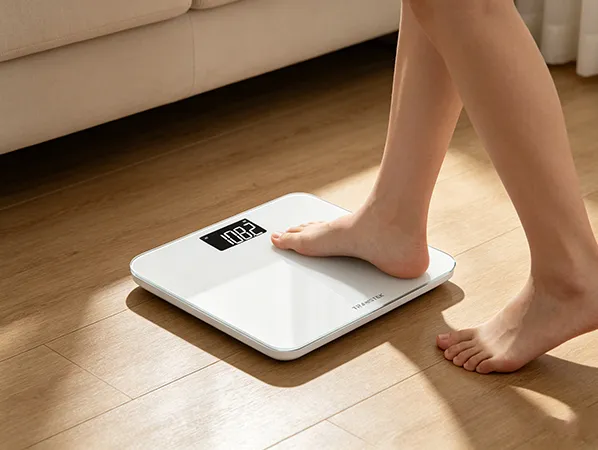
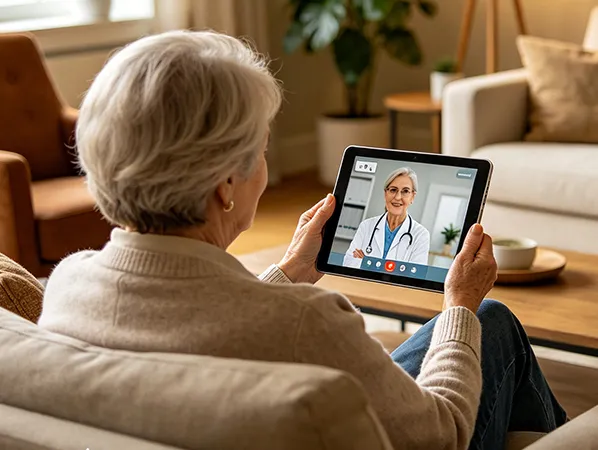
As the global population continues to age, more seniors are choosing to remain in their own homes rather than move into assisted living facilities or nursing homes. Aging in place allows older adults to maintain their independence, stay connected to familiar surroundings, and enjoy a higher quality of life. However, aging at home also presents new challenges for families and healthcare providers who must ensure that seniors remain safe and healthy outside traditional care settings.
While blood pressure, blood glucose, and weight have long been recognized as important health indicators for older adults, oxygen saturation (SpO₂) is receiving growing attention as another important metric in senior care. Advances in remote patient monitoring (RPM) technology have made oxygen monitoring easier and more accessible than ever before, allowing healthcare providers and caregivers to identify potential health concerns earlier and intervene before they become serious.
Aging naturally affects nearly every system in the body, including the cardiovascular and respiratory systems. Over time, lung function may decline, oxygen exchange can become less efficient, and the body's ability to respond to respiratory stress may be reduced.
In addition, many older adults live with chronic conditions that can affect oxygen levels, including:
· Chronic obstructive pulmonary disease (COPD)
· Asthma
· Heart failure
· Coronary artery disease
· Sleep-related breathing disorders
· Post-stroke complications
For these individuals, changes in oxygen saturation may occur before obvious symptoms develop. A gradual decline in SpO₂ levels can signal worsening respiratory function, fluid retention, infection, or other emerging health concerns.
Reduced oxygen levels are not always immediately noticeable. Some seniors may experience significant drops in oxygen saturation without feeling shortness of breath or recognizing that their condition is worsening. This is one reason why regular oxygen monitoring is becoming an increasingly important component of modern senior care.
Many hospitalizations among older adults occur because health concerns are identified too late. Symptoms such as fatigue, weakness, dizziness, confusion, or reduced activity levels may initially appear mild and can easily be mistaken for normal aging.
However, these symptoms may also be associated with declining oxygen levels.
Regular SpO₂ monitoring allows healthcare providers to identify concerning trends before a medical emergency develops. If oxygen saturation levels begin to decline consistently over time, clinicians can investigate potential causes and intervene earlier.
Early intervention may include:
· Medication adjustments
· Follow-up evaluations
· Additional respiratory assessments
· Lifestyle recommendations
· Timely referrals for further treatment
One of the biggest challenges of aging in place is maintaining regular clinical oversight without requiring frequent visits to healthcare facilities. Many seniors face transportation barriers, mobility limitations, or difficulty attending routine appointments. At the same time, family members often live far away and cannot monitor their loved ones’ health on a daily basis.
Remote patient monitoring helps address this challenge by extending routine health monitoring into the home environment.
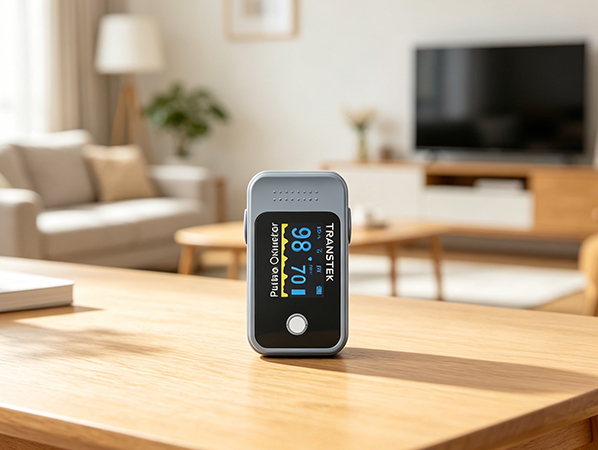
The TeleRPM 4G Pulse Oximeter is designed specifically for this purpose. With built-in 4G cellular connectivity, the device automatically transmits oxygen saturation and pulse rate measurements directly to the device management platform after each reading. There is no need for Wi-Fi, smartphones, mobile apps, Bluetooth pairing, or complicated setup procedures.
For seniors who may not be comfortable with technology, this simplicity is critical. Users simply place the device on their finger and take a measurement. Readings are automatically transmitted through the cellular network and made available for review through connected monitoring workflows.
This streamlined process helps reduce manual reporting and supports more consistent monitoring. Healthcare providers can review patient measurements over time, identify meaningful changes, and intervene earlier when appropriate.
Instead of relying solely on occasional office visits or patient self-reporting, clinicians gain visibility into ongoing physiological measurements that support more proactive care management. This is particularly beneficial for individuals managing chronic conditions, seniors living independently, and patients transitioning from hospital to home care.
For many adult children, caring for aging parents can be emotionally challenging, particularly when distance separates them. Connected monitoring devices provide an additional layer of reassurance.
When oxygen levels are monitored regularly and reviewed by healthcare teams, families gain peace of mind knowing that important health indicators are being tracked consistently. Instead of relying solely on subjective observations, clinicians can identify measurable changes and take action when necessary.
This support is especially valuable for seniors who live alone or have a history of respiratory or cardiovascular conditions.
Many home health devices depend on Bluetooth pairing, smartphone applications, or home internet networks to transmit readings. While these technologies work well for some users, they can create barriers for older adults who have limited technical experience.
The TeleRPM Cellular Pulse Oximeter addresses this challenge through integrated 4G connectivity.
Measurements are automatically transmitted without requiring additional devices, manual syncing, or patient intervention. This reduces the likelihood of missed readings, technical issues, and user frustration.
For RPM programs, reliable cellular connectivity also supports monitoring continuity and patient adherence, helping healthcare providers make more informed clinical decisions.
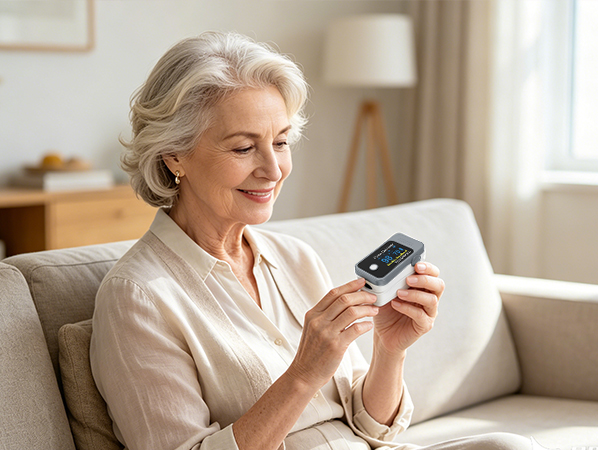
The future of senior healthcare is increasingly focused on prevention, early intervention, and personalized support. Rather than waiting for symptoms to become severe, healthcare providers are using connected technologies to identify potential concerns earlier and manage chronic conditions more effectively.
Oxygen monitoring is becoming an important part of this approach.
As more seniors choose to age in place, tools like the TeleRPM 4G Pulse Oximeter are helping bridge the gap between independent living and professional healthcare oversight. By providing accurate oxygen saturation monitoring, automatic transmission of measurements through 4G connectivity, and a user-friendly experience, the device supports safer aging at home while helping clinicians and families maintain greater visibility into long-term health trends.
+86-0760-88282982