Managing chronic disease requires insight into what happens between clinical appointments. For healthcare providers, occasional measurements may provide limited insight into a patient's progress. Weight readings collected at home can provide useful context for follow-up conversations, especially when changes need to be assessed alongside symptoms and other clinical findings.
Remote patient monitoring weight scales support chronic disease management by collecting weight measurements at home and transmitting them through cellular connectivity for review. This helps care teams follow trends, recognize changes that may require assessment, and maintain contact with patients between visits. Their value depends on consistent measurement, reliable connectivity, and an established clinical response process.
To use these measurements effectively, healthcare providers need to understand both the role of weight in chronic care and the practical requirements of home monitoring. A connected weight scale becomes most useful when it forms part of a clearly defined care plan.
Weight provides a measurable reference point that can be followed over time. Within a chronic care program, a series of readings helps clinicians assess whether a patient's weight is stable, changing gradually, or moving away from an individualized target.
The meaning of a trend depends on the patient's condition and treatment goals. A weight management program may focus on changes over several months, while another care pathway may require closer attention to short-term fluctuations.
For people with heart failure, sudden weight gain can indicate fluid retention. The American Heart Association recommends regular weight monitoring and discussing significant changes with a healthcare professional.
A scale cannot identify the cause of a change by itself. Clinicians need to consider symptoms, measurement conditions, medication history, and other relevant clinical findings when interpreting a reading.
Weight monitoring should answer a specific question within the care plan. Is the team following a long-term weight goal, checking stability after a care transition, or reviewing a change reported by the patient?
Defining that purpose helps determine measurement frequency, review responsibilities, and follow-up procedures. It also prevents the collection of readings without a clear plan for using them.
Clinic measurements remain valuable, but they represent individual moments. Remote weight monitoring adds observations from the patient's usual environment, giving the care team additional measurements to review before the next scheduled appointment.
Automatic transmission can also reduce dependence on handwritten records or a patient's recollection of previous measurements. Providers can review the recorded sequence instead of reconstructing it during a consultation.
A useful home routine should be easy to understand and repeat. Patients need clear instructions on scale placement, measurement timing, and how to recognize a completed reading.
Using the same scale under comparable conditions makes readings easier to interpret. The care team should set the schedule according to the monitoring objective, rather than assuming every patient needs the same frequency.
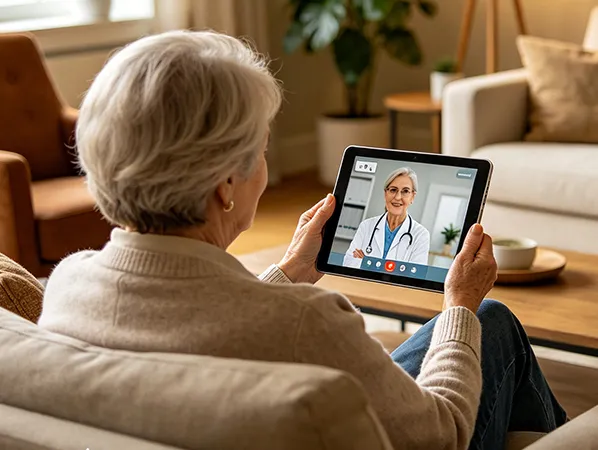
When readings are transmitted successfully, staff can use them to prepare more focused follow-up questions. A conversation might explore whether the patient has noticed symptoms, changed routines, or experienced difficulty using the device.
Receiving a measurement does not guarantee immediate review. Patients should understand when their readings are checked and how to contact the care team when concerns arise.
For remote weight monitoring programs, connectivity is part of the overall deployment experience. A 4G weight scale can transmit readings directly through cellular connectivity without requiring patients to pair the scale with a smartphone or manage a separate home network connection.
This direct connectivity can simplify device setup and reduce connectivity-related support needs. For healthcare providers, a simpler connection process can make device deployment and ongoing monitoring easier to operate at scale.
The value of 4G connectivity ultimately depends on network coverage, platform compatibility, and the monitoring workflow established by the program.
A trend provides context that an isolated number cannot. Providers can compare recent readings with the patient's usual range and assess whether a change persists across successive measurements.
Measurement timing and gaps in readings also matter. Several missing readings may require a technical support call or a discussion about the patient's routine, rather than being interpreted as evidence of stable health.
An effective monitoring workflow connects observation with assessment. When a reading meets the program's review criteria, staff can check its validity, contact the patient, and escalate the concern according to established clinical procedures.
For example, an unexpected increase might first prompt questions about scale placement or whether someone else used the device. If the change is confirmed, the clinician can assess its significance using the wider clinical picture.
Patients are more likely to understand the purpose of monitoring when clinicians explain how readings contribute to care. Feedback can make weighing feel like a meaningful part of follow-up instead of an isolated daily task.
Engagement also requires realistic expectations. Patients should know that individual fluctuations are interpreted in context and that medication changes require instructions from their healthcare professional.
Home measurement allows patients to provide regular weight readings without traveling solely to have their weight recorded. This can be especially helpful when transport, scheduling, or caregiver availability makes additional visits difficult.
Automatically transmitted readings can reduce manual transcription and time spent requesting weight logs. Staff can devote more of the follow-up conversation to understanding changes and addressing patient concerns.
A consistent measurement history gives the care team a reliable reference point. It can support discussions about progress, stability, or the need to reassess the monitoring plan.
A straightforward weighing process can reduce practical barriers to participation. Clear instructions, accessible support, and appropriate feedback remain necessary to maintain that participation over time.
For larger programs, device deployment needs to be supported by repeatable onboarding and review procedures. Healthcare providers should evaluate transmission success, missing readings, support requests, and staff workload when assessing whether their remote patient monitoring weight scales support operational requirements.
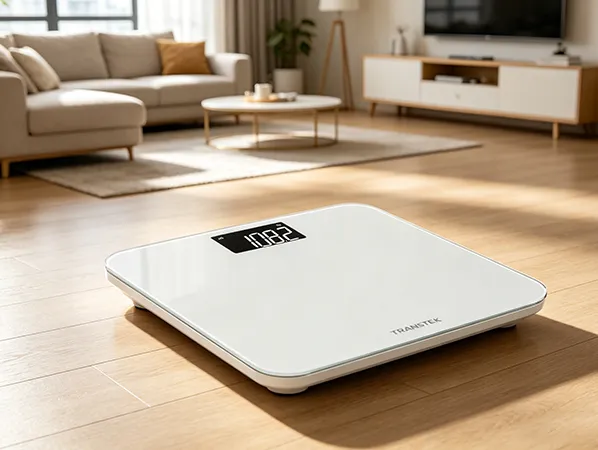
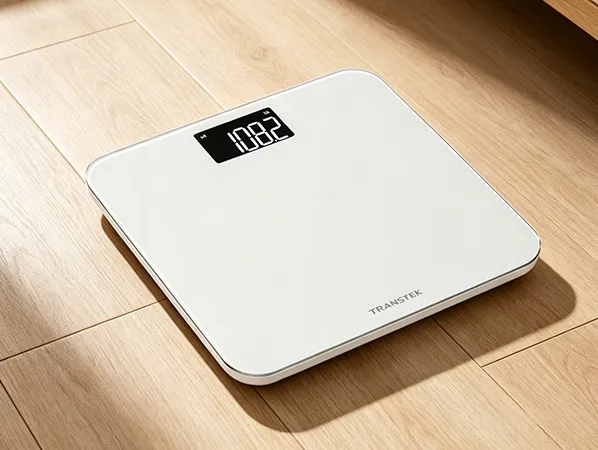
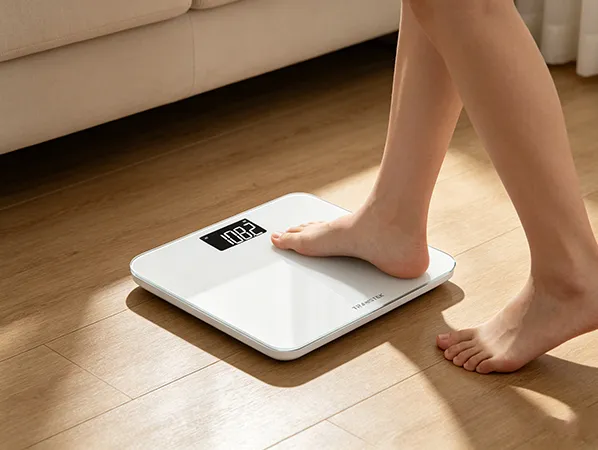
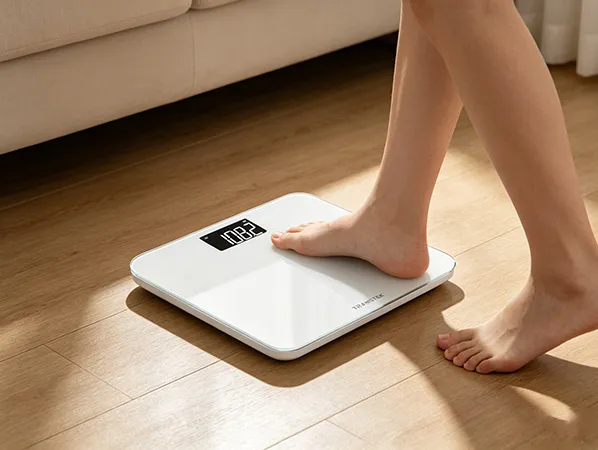
Transtek's TeleRPM Scale Gen 2 is a 4G-connected weight scale designed for remote patient monitoring programs. With direct cellular connectivity and automatic transmission, it can send weight readings without requiring patients to pair the scale with a smartphone or manage a separate home network connection. Its step-on measurement, larger platform, and larger display also support a straightforward weighing experience, particularly for older users.
For healthcare providers, device selection is only one part of a successful deployment. Clear onboarding, device assignment, transmission monitoring, and support procedures should be established according to the program's requirements. Transtek can work with customers to evaluate device configuration, integration, and device management needs, helping ensure the selected solution fits the intended patient population and operational workflow.
Remote patient monitoring weight scales can strengthen chronic care by making regular home measurements available for structured follow-up. Their value comes from connecting repeatable home measurement routines with structured clinical review.
With suitable devices, clear responsibilities, and a practical response process, healthcare providers can make weight trends more useful in everyday care. Transtek offers 4G-connected scale solutions that providers can evaluate based on their patient needs and deployment requirements.
+86-0760-88282982