Pulse oximeters have become increasingly common in both clinical and home healthcare settings. Whether used by patients with chronic respiratory conditions, seniors managing multiple health concerns, or individuals taking a proactive approach to wellness, these devices provide a quick and convenient way to measure blood oxygen saturation.
Yet despite their growing popularity, many people are unsure how to interpret the readings they see on the screen. Is a blood oxygen level of 95% normal? Should you be concerned if the number drops occasionally? Most importantly, how can oxygen saturation measurements support earlier intervention and better care management?
Understanding pulse oximeter readings requires looking beyond a single number. When combined with long-term trend monitoring and remote patient monitoring (RPM) programs, oxygen saturation measurements can provide clinically meaningful insights into respiratory and cardiovascular health.
SpO₂ stands for peripheral capillary oxygen saturation. It represents the percentage of hemoglobin in the blood that is carrying oxygen from the lungs to tissues throughout the body.
Oxygen is essential for every organ and cell. When oxygen levels decrease significantly, the body may struggle to function efficiently, potentially affecting the heart, brain, muscles, and other vital systems.
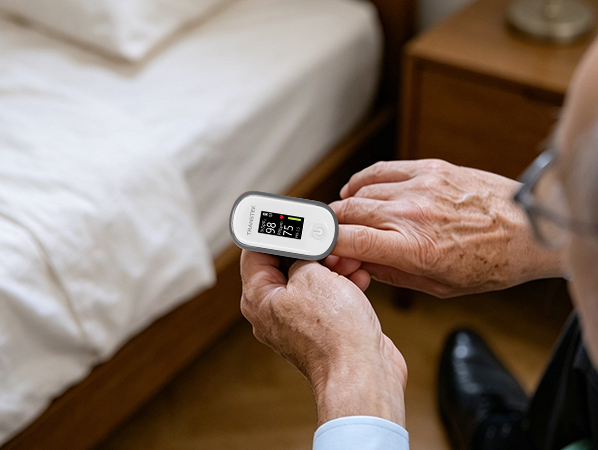
A pulse oximeter measures SpO₂ noninvasively by using light sensors placed on the fingertip. Within seconds, the device estimates how much oxygen is being transported through the bloodstream.
For most healthy adults, a normal SpO₂ reading typically falls between 95% and 100%. However, oxygen levels can vary depending on factors such as age, underlying health conditions, altitude, and physical activity.
In general:
· 95%–100%: Typically considered normal
· 92%–94%: May warrant closer observation, particularly for individuals with respiratory or cardiac conditions
· Below 92%: Often requires medical evaluation depending on symptoms and clinical context
· Below 90%: Generally considered low oxygen saturation and may require prompt medical attention
It is important to note that one isolated reading does not always tell the full story. Temporary fluctuations can occur due to improper sensor placement, cold fingers, movement during measurement, or environmental factors. This is why healthcare providers increasingly focus on trends rather than individual measurements.
Many people check their oxygen level once and immediately become concerned if the number seems lower than expected. In reality, a single measurement provides only a snapshot of a person's condition at a specific moment. Long-term patterns are often far more meaningful.
For example, an individual whose oxygen saturation consistently remains around 97% may not need to worry about an occasional reading of 95%. However, if that person's average SpO₂ gradually declines over several days or weeks, the trend could indicate developing respiratory issues, worsening chronic disease, or recovery complications.
Similarly, patients with chronic obstructive pulmonary disease (COPD), heart failure, or sleep-related breathing disorders may experience gradual oxygen changes before noticeable symptoms appear.
Tracking oxygen saturation trends over time allows healthcare providers to identify meaningful changes earlier and make informed decisions regarding treatment, medication adjustments, or further evaluation.
While oxygen saturation often receives the most attention, pulse rate is another valuable measurement provided by pulse oximeters.
Pulse rate reflects how many times the heart beats per minute. For most adults, a resting heart rate typically ranges between 60 and 100 beats per minute. Changes in pulse rate can sometimes help explain oxygen saturation readings.
For example:
· Low oxygen levels accompanied by an elevated heart rate may indicate that the body is working harder to deliver oxygen to tissues.
· A sudden increase in heart rate combined with respiratory symptoms may warrant further investigation.
· Monitoring both measurements together can provide a broader view of cardiopulmonary status.
Pulse oximeters are useful for a wide range of health conditions.
Patients with chronic respiratory diseases such as COPD or asthma often use pulse oximeters to monitor oxygen saturation levels and identify worsening symptoms early.
Individuals with heart failure may also benefit from oxygen monitoring because reduced cardiac efficiency can affect oxygen delivery throughout the body.
For patients recovering after hospitalization, surgery, or respiratory infections, regular SpO₂ measurements can help clinicians monitor recovery progress and detect potential complications before they become serious.
Even for older adults without a specific diagnosis, periodic oxygen monitoring can provide valuable health insights as part of a broader remote care strategy.
Traditional pulse oximeters allow users to view readings directly on the device. While helpful, this approach often relies on patients manually recording and reporting measurements to their healthcare providers.
Connected RPM pulse oximeters take monitoring a step further.
The TeleRPM Pulse Oximeter (Bluetooth®) connects to the AnyHub gateway via Bluetooth. The AnyHub then transfers readings to the device management platform, enabling healthcare providers to review patient measurements remotely and monitor long-term trends more efficiently.
This connected workflow helps reduce manual reporting and supports more consistent monitoring. Healthcare providers can review patient readings over time, identify meaningful changes, and intervene earlier when appropriate.
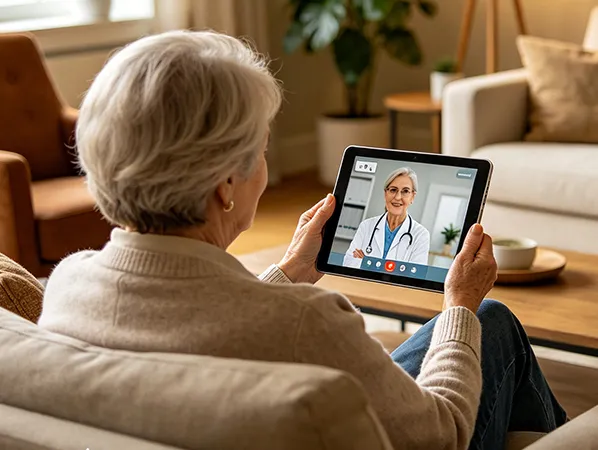
Instead of relying solely on occasional office visits or patient self-reporting, clinicians gain visibility into ongoing physiological measurements that support proactive care management. This is particularly beneficial for individuals managing chronic conditions, seniors living independently, and patients transitioning from hospital to home care.
One of the greatest benefits of home monitoring is increased patient engagement. When individuals regularly track their health measurements, they often become more aware of how lifestyle factors, medications, exercise, and illness affect their body.
However, effective engagement requires understanding what the numbers actually mean.
Rather than focusing on a single oxygen saturation reading, patients should pay attention to long-term patterns, follow their healthcare provider’s recommendations, and consider oxygen measurements alongside symptoms and other health indicators.
Connected monitoring solutions like the TeleRPM Pulse Oximeter make this process easier by consistently capturing readings and providing healthcare teams with a broader view of patient health.
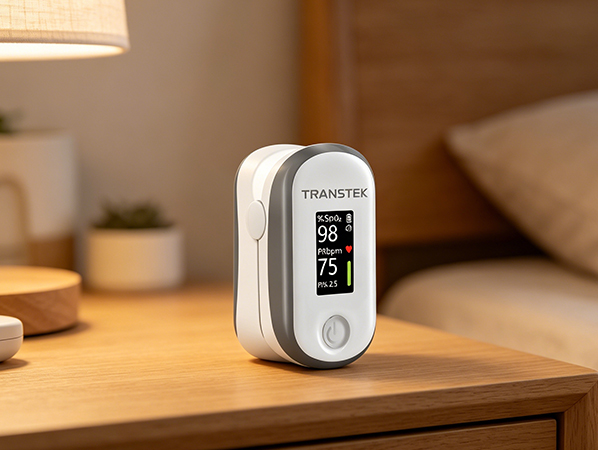
Pulse oximeter readings are valuable, but their true value lies in context. A single SpO₂ measurement offers a momentary glimpse into oxygen status, while ongoing monitoring reveals trends that can support earlier intervention and better health outcomes.
As remote patient monitoring continues to expand, connected devices such as the TeleRPM Pulse Oximeter (Bluetooth®) is helping transform oxygen monitoring from a simple spot check into a meaningful component of proactive healthcare.
By combining accurate measurements, Bluetooth connectivity through AnyHub, and long-term trend monitoring, these solutions help patients and healthcare providers make more informed decisions and support better long-term health management.
+86-0760-88282982