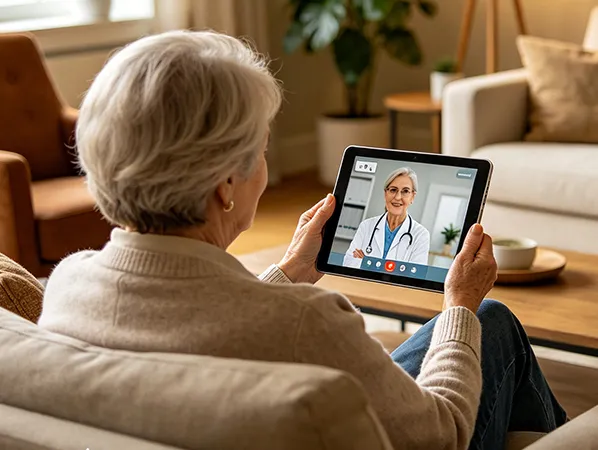
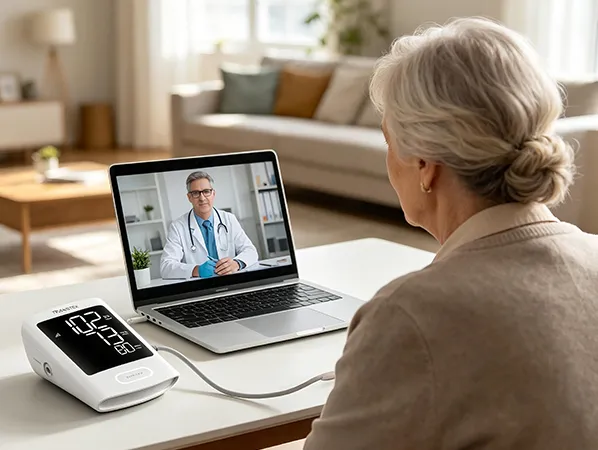
Remote Patient Monitoring (RPM) programs depend on more than accurate home monitoring devices. Blood pressure monitors, blood glucose meters, pulse oximeters, weight scales, and other RPM devices can generate valuable health measurements, but those measurements need to be transmitted reliably from the patient's home to healthcare providers before they can support ongoing remote monitoring.
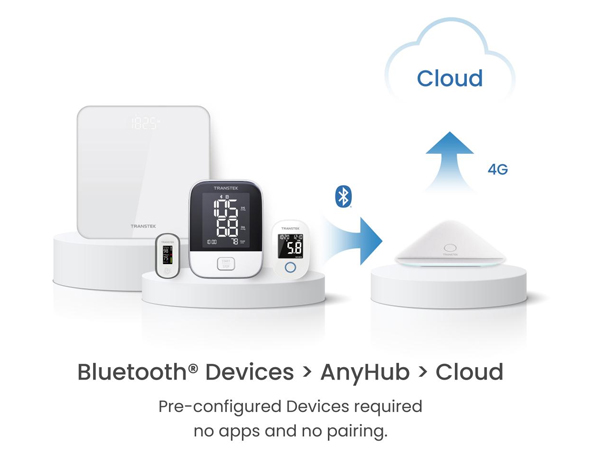
This is why cellular gateway devices play an important role in scalable RPM programs. Acting as a connection hub, a cellular gateway links compatible Bluetooth® monitoring devices with the Device Management Dashboard through its built-in cellular connection. By reducing the need for smartphones, Wi-Fi, repeated Bluetooth® pairing, or manual synchronization, it helps simplify home monitoring while supporting more consistent transmission of measurement results.
Transtek AnyHub is designed for this type of multi-device RPM environment. It works with compatible Transtek Bluetooth® monitoring devices and combines Bluetooth® connectivity, a built-in cellular connection, LED status indicators, and support for multiple monitoring devices to simplify remote patient monitoring deployments.
In a small RPM pilot program, connectivity issues can often be handled manually. A care coordinator may contact the patient, confirm whether measurements have been taken, and guide the patient through basic reconnection steps. As a program expands from dozens of patients to hundreds or even thousands, this approach becomes increasingly difficult to maintain.
A cellular gateway helps standardize how measurement results are transmitted from the patient's home. Instead of relying on smartphones, mobile applications, or a patient's technical experience, the gateway acts as a dedicated connection hub for compatible Bluetooth® monitoring devices and transmits readings through its built-in cellular connection to the Device Management Dashboard.
This is important because successful RPM programs rely on consistent measurements collected over time. An occasional missing reading may have little impact, but repeated gaps in measurements can make long-term trend review more difficult. Healthcare providers may not know whether a patient missed a measurement or experienced a connectivity issue during transmission.
A well-designed cellular gateway helps reduce this uncertainty. By providing a more consistent transmission workflow, it allows healthcare providers to spend less time troubleshooting connectivity and more time reviewing patient measurement trends.
Choosing the wrong gateway device can create challenges for both patients and healthcare providers. If setup is complicated, patients may be less likely to use the system consistently. If compatibility is limited, the RPM program may struggle to support additional monitoring devices as patient needs change. If transmission is unreliable, healthcare providers may spend more time resolving connectivity issues instead of reviewing patient measurements.
Common challenges include:
Complicated installation
Unclear device status
Limited compatibility with Bluetooth® monitoring devices
Frequent connection interruptions
Inconsistent transmission of measurement results
Increased technical support requirements
Limited scalability for larger RPM programs
Home monitoring environments are very different from clinical settings. Patients may live alone, have limited experience with digital technology, or use multiple monitoring devices to manage chronic conditions. Gateway devices should therefore be designed for everyday home use rather than ideal technical environments.
An effective cellular gateway should reduce operational complexity. It should simplify device connectivity for patients while helping healthcare providers receive measurement results more consistently through the Device Management Dashboard.
When selecting a gateway device for an RPM program, healthcare providers should evaluate both technical performance and day-to-day usability. The gateway should support the needs of patients, caregivers, healthcare providers, and long-term program management.
Important evaluation criteria include:
Compatibility with multiple compatible Bluetooth® monitoring devices
Simple plug-and-play installation
Consistent transmission of measurement results
Clear LED status indicators
Built-in cellular connectivity
Minimal patient-side operation
Scalability for growing RPM programs
Integration with the Device Management Dashboard
Ease of setup is particularly important. If patients still need to download mobile applications, complete repeated Bluetooth® pairing, or manually verify whether measurements have been transmitted, the gateway may not fully solve the original connectivity challenge. An effective gateway should simplify the monitoring process rather than introduce additional steps.
Device status indicators are equally valuable. They allow patients and support teams to quickly confirm whether the gateway is powered, connected, and operating normally, making troubleshooting faster and more efficient.
Many RPM programs monitor more than one health indicator. A patient managing hypertension may also require weight monitoring, while someone with diabetes may also need blood pressure tracking. Programs supporting older adults or patients with multiple chronic conditions often rely on several monitoring devices as part of daily care.
This is why multi-device compatibility is an important consideration when selecting a cellular gateway. Rather than managing separate connection methods for different device types, healthcare providers can use a single gateway to support compatible Transtek Bluetooth® monitoring devices through one consistent connectivity workflow.
Transtek AnyHub is designed to work with compatible Transtek Bluetooth® blood pressure monitors, blood glucose meters, pulse oximeters, and weight scales. By acting as a dedicated connection hub and using its built-in cellular connection, it helps simplify measurement transmission to the Device Management Dashboard across multiple device types.
A gateway that supports multiple monitoring devices also provides greater flexibility as RPM programs expand. Healthcare providers can introduce additional compatible devices without significantly changing the existing connectivity workflow.
Ease of use is one of the most important factors when selecting a gateway device. If setup or daily operation is too complicated, patients may be less likely to follow their monitoring routine consistently. This is particularly important for older adults, recently discharged patients, and users who have limited experience with smartphones or mobile applications.
A gateway-centered workflow helps simplify this experience. Instead of asking patients to install applications, manage repeated Bluetooth® pairing, or manually confirm whether measurements have been transmitted, the gateway handles the connection process after the initial setup.
With Transtek AnyHub, users simply connect the gateway to a power source. Once the initial configuration has been completed, compatible Transtek Bluetooth® monitoring devices can connect automatically during routine use, helping reduce setup complexity and supporting a smoother home monitoring experience.
A simpler workflow also benefits healthcare providers. When fewer patients require assistance with smartphone settings or Bluetooth® pairing, technical support requirements may be reduced, allowing healthcare providers to focus more on reviewing patient measurements and ongoing monitoring.
As RPM programs continue to grow, maintaining visibility into device connectivity becomes increasingly important. Healthcare providers need to know whether compatible monitoring devices are connected properly, whether measurement results have been transmitted successfully, and whether follow-up may be needed when expected measurements are unavailable.
A cellular gateway with consistent transmission capabilities and clear LED status indicators can help support this process. LED indicators provide quick visual confirmation of the gateway's operating status, making it easier for both patients and support teams to identify basic connection issues.
Reliable transmission also supports a more efficient monitoring workflow. When measurement results are delivered consistently to the Device Management Dashboard, healthcare providers can spend less time verifying connectivity and more time reviewing long-term measurement trends.
For larger RPM programs, this can help improve operational efficiency while supporting more consistent home monitoring across a growing patient population.
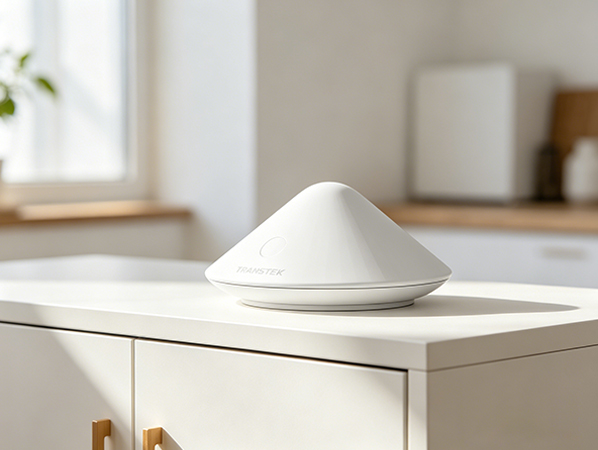
Transtek AnyHub is designed to simplify connectivity for compatible Transtek Bluetooth® monitoring devices in scalable RPM programs. Acting as a dedicated connection hub, it receives readings through Bluetooth® and transmits measurement results to the Device Management Dashboard using its built-in cellular connection.
Compatible devices include Bluetooth® blood pressure monitors, blood glucose meters, pulse oximeters, and weight scales, allowing healthcare providers to deploy multiple monitoring devices within a unified home monitoring workflow.
Key features of AnyHub include:
Bluetooth® connectivity for compatible Transtek monitoring devices
Built-in cellular connectivity with an integrated SIM card
Automatic transmission of measurement results after device connection
LED status indicators for operational feedback
Support for multi-device RPM deployments
These features help simplify patient-side operation while supporting more standardized device deployment and measurement transmission across larger RPM programs.
Whether supporting hypertension management, diabetes care, respiratory monitoring, weight management, or patients living with multiple chronic conditions, AnyHub provides a practical way to connect compatible Bluetooth® monitoring devices with the Device Management Dashboard through a reliable cellular connection.
Selecting the right gateway device is an important step in building a scalable and efficient Remote Patient Monitoring program. While Bluetooth® monitoring devices make home measurements convenient, a dedicated cellular gateway helps simplify connectivity by reducing reliance on smartphones, Wi-Fi, and repeated application management.
Designed for compatible Transtek Bluetooth® monitoring devices, AnyHub combines Bluetooth® connectivity with a built-in cellular connection to streamline the transmission of measurement results to the Device Management Dashboard. By simplifying connectivity and supporting consistent monitoring workflows, it helps healthcare providers deploy, manage, and expand RPM programs more efficiently.
+86-0760-88282982