Home healthcare depends on routines that patients can maintain outside a clinical setting. For healthcare provider, aging-at-home support, or ongoing patient follow-up, regular weight measurement can provide useful insight between clinical interactions. The challenge is making those measurements easy to collect and transmit without making participation unnecessarily complicated.
4G weight scales support home health monitoring by automatically transmitting weight readings through cellular connectivity. This allows healthcare providers to follow weight trends between visits and use them as a reference for follow-up discussions about health goals and care needs. The scale itself does not diagnose disease or determine the cause of a weight change; its value comes from making regular home measurements available for appropriate review.
Building an effective remote monitoring service therefore requires more than choosing a connected device. Healthcare providers need to consider the patient's routine, how readings are transmitted and reviewed, and how they will contribute to follow-up decisions.
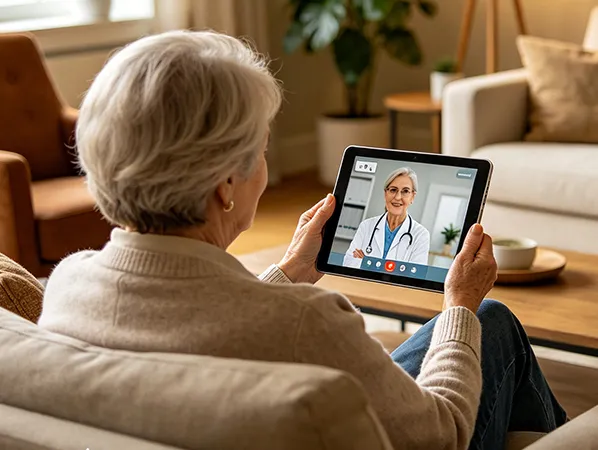
Home monitoring gives patients a practical way to contribute measurements between appointments. Instead of waiting for the next visit to discuss their progress, they can build a measurement history as part of their usual routine.
For healthcare providers, this creates an opportunity to maintain continuity across in-person and remote interactions. The home measurement history can inform a conversation, while clinical visits provide examination and broader assessment when needed.
In everyday health management, consistency is often more useful than frequent unscheduled checking. A planned routine helps patients and providers understand how weight changes across a relevant period.
The appropriate schedule depends on the purpose of monitoring. A preventive lifestyle program may have different requirements from a clinical pathway focused on short-term changes.
A 4G-connected weight scale measures weight and transmits each reading through a cellular network. Direct cellular connectivity can reduce the need for patient-side smartphone pairing or a separate home network connection, helping simplify device setup for home monitoring.
For healthcare providers managing distributed patient populations, a simpler connection process can reduce connectivity-related support needs and make device deployment easier to operate at scale.
A traditional scale displays a result that must be remembered or recorded manually. A 4G-connected scale can automatically transmit successive readings, reducing the effort required to maintain a measurement history.
For a home healthcare service, the key advantage is continuity of measurements. Providers and patients can refer to the same sequence of readings during a follow-up discussion.
When the receiving platform supports trend displays, patients can review changes over weeks or months instead of concentrating on the latest number. This can make discussions about goals more concrete.
Interpretation should remain linked to the individual. A stable trend may meet one person's care objective, while another person may be following a professionally supervised plan that involves gradual change.
Convenience depends on the whole measurement process. Patients need to access the scale, complete a reading, and understand whether further action is required.
For procurement teams, useful evaluation questions include how many setup steps are involved, whether another device is needed, and how patients receive help. A short demonstration with intended users can reveal barriers that a specification sheet does not show.
Remote weight monitoring can provide a reference for reviewing a structured health or weight management plan. Patients and professionals can compare the measurement history with reported changes in eating patterns, activity, and daily routines.
The scale does not establish which behavior caused a change. Its value is in supporting a more specific conversation about what changed, what was manageable, and whether the plan needs adjustment.
An organized record makes departures from a person's usual pattern easier to notice than occasional measurements alone. This may prompt a discussion about whether the change was intended, whether measurement conditions differed, or whether professional assessment is appropriate.
For example, heart failure care may include tracking weight because sudden increases can be associated with fluid retention. Individual reporting instructions should come from the treating team. A scale cannot determine the underlying cause of a change or guarantee early detection of illness.
Participation improves when patients understand both the purpose and the limits of monitoring. Providers should agree on a realistic schedule and explain how progress will be reviewed.
Feedback should be supportive and tied to individual goals. A clear focus on patterns and practical next steps can make regular weighing easier to incorporate into everyday routines.
Connected measurement can reduce the need to write down and submit results manually. Direct cellular connectivity can also simplify the setup process by reducing dependence on patient-side connectivity steps.
Programs should still offer accessible instructions and support. Convenience is achieved when the selected device fits the user's abilities and home environment.
A recorded measurement history gives providers and patients a starting point for discussion. Instead of asking patients to recall their weight from previous weeks, staff can focus on relevant changes and the circumstances surrounding them.
This can make remote appointments more focused, provided that readings are available and correctly associated with the patient.
Weight trends can contribute to care decisions when combined with clinical history, symptoms, and other relevant assessments. Providers need to distinguish a confirmed pattern from inconsistent measurement or gaps in readings.
Program performance should therefore consider measurement consistency and follow-up quality. The number of readings collected alone does not show whether monitoring is improving care.
For larger programs, device deployment needs to be supported by repeatable onboarding and review procedures. Healthcare providers should evaluate transmission success, missing readings, support requests, and staff workload when assessing whether their 4G weight scales support operational requirements.
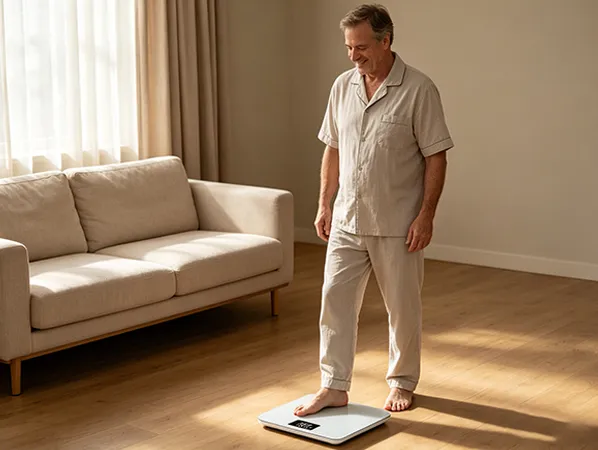
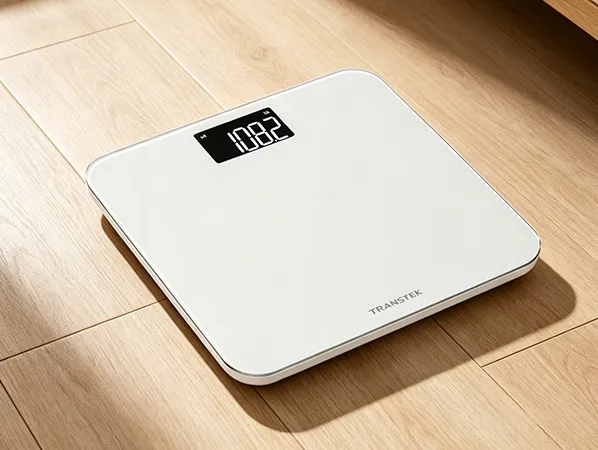
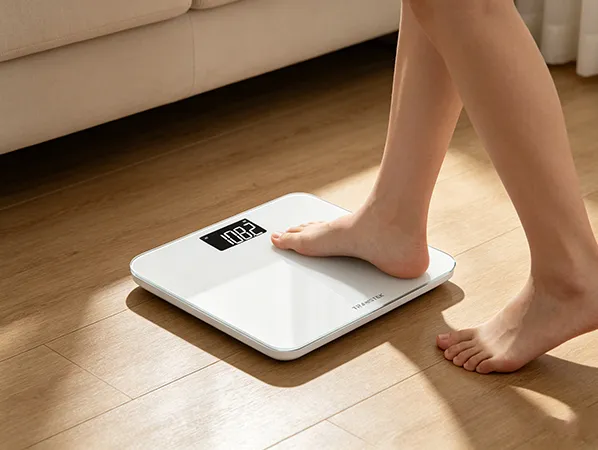
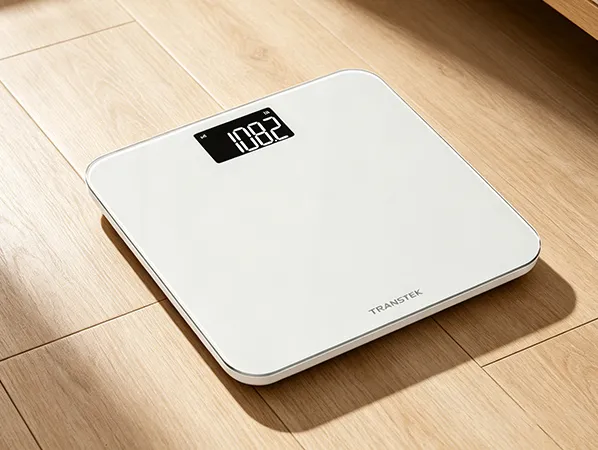
Transtek's TeleRPM Scale Gen 2 is a 4G-connected weight scale designed for home-based remote monitoring programs. With direct cellular connectivity and automatic transmission, it can send weight readings without requiring patients to pair the scale with a smartphone or manage a separate home network connection. The step-on measurement process, larger platform, and larger display also support a straightforward weighing experience, particularly for older users.
For healthcare providers, device selection is only one part of successful deployment. Programs should consider network coverage, platform compatibility, onboarding, device assignment, transmission status, and ongoing support. Transtek can work with customers to evaluate device configuration and integration requirements based on the intended patient population and operational workflow.
4G weight scales can make regular home measurement easier to transmit, review, and incorporate into remote care workflows. Their value comes from connecting repeatable home measurement routines with appropriate professional review.
With suitable devices and a practical response process, healthcare providers can make weight trends more useful in everyday care. Transtek's 4G-connected weight scale solutions provide options for home monitoring programs focused on usability, reliable transmission, and ongoing patient support.
+86-0760-88282982